Hey there! As a supplier of Ball Union Valves, I've had my fair share of conversations about what makes a great ball union valve. So, I thought I'd share some insights on the standards for these nifty little devices.
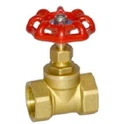
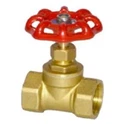
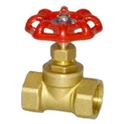
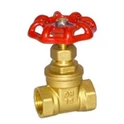
First off, let's talk about materials. The quality of the materials used in a ball union valve is super important. Most of the time, you'll find that high - quality valves are made from things like brass, stainless steel, or forged materials. For example, our Forged Brass Ball Valve is crafted from top - notch forged brass. This material is not only durable but also resistant to corrosion. You don't want a valve that's going to rust or break down after just a short period of use. In harsh environments, especially those with high humidity or exposure to chemicals, using a valve made from the right material can make all the difference. Stainless steel valves are also a great option, as they offer excellent strength and are suitable for high - pressure applications.


Another key standard is the valve's pressure rating. This is basically how much pressure the valve can handle without failing. It's crucial to match the pressure rating of the valve to the requirements of your system. If you use a valve with a lower pressure rating than what your system demands, it could lead to leaks or even a catastrophic failure. On the other hand, using a valve with a much higher pressure rating than necessary might be overkill and more expensive. When we manufacture our ball union valves, we make sure to test them rigorously to determine their accurate pressure ratings. We label each valve clearly so that you know exactly what you're getting.
The size of the valve is also a major factor. Valves come in all sorts of sizes, and choosing the right one depends on the flow rate and the pipe size in your system. A valve that's too small might restrict the flow of fluid, causing inefficiencies. Conversely, a valve that's too large can be a waste of money and might not operate as effectively. We offer a wide range of sizes to meet different needs. For instance, our Butterfly Handle Ball Valve 1" is a popular choice for many standard applications where a 1 - inch valve is required.
Sealing is yet another important standard. A good ball union valve should have a tight seal to prevent any leakage. The seal is usually made of materials like rubber or Teflon. These materials need to be of high quality to ensure a long - lasting and reliable seal. We use advanced sealing technologies in our valves to make sure that they can handle different types of fluids, whether it's water, gas, or oil. A leaky valve can not only waste resources but also pose a safety hazard in some cases.
Now, let's talk about some specialized ball union valves. Take the Ball Valve for Temperature Measurement for example. These valves are designed with an additional feature to measure the temperature of the fluid passing through them. They need to meet specific standards in terms of the accuracy of the temperature measurement. The sensor used in these valves has to be precise and reliable. This type of valve is really useful in industries where temperature control is critical, like in food processing or chemical manufacturing.
In addition to these technical standards, there are also some general design and usability aspects. A well - designed ball union valve should be easy to install and operate. It should have a smooth - turning handle or actuator so that you can open and close the valve with minimal effort. The valve should also be easy to maintain. We design our valves with this in mind, making sure that they have accessible parts for cleaning and replacement if needed.
When it comes to quality control, we follow strict procedures. Every single valve that leaves our factory goes through a series of tests. We check for things like pressure integrity, sealing performance, and proper operation. We also make sure that the valves meet all the relevant industry standards and regulations. This way, you can have peace of mind knowing that you're getting a high - quality product.
If you're in the market for ball union valves, it's important to do your research and choose a supplier that you can trust. Look for a supplier who can provide detailed information about their products, including the materials used, pressure ratings, and testing procedures. And of course, make sure that the supplier offers good customer support.
We're always here to help you find the right ball union valve for your needs. Whether you're working on a small DIY project or a large industrial installation, we have the expertise and the products to meet your requirements. If you have any questions or want to discuss your specific needs, don't hesitate to reach out. We'd love to have a chat with you and help you make the best choice for your system. So, why wait? Let's start the conversation and get you the perfect ball union valve today!
References
- General industry knowledge on ball union valves from years of experience in the field.
- Technical specifications and research on valve materials, pressure ratings, and sealing technologies.