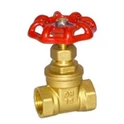
When it comes to the application of PP - R gate valves in high - altitude areas, there are several special requirements that need to be carefully considered. As a PP - R gate valve supplier, I have witnessed firsthand the unique challenges and needs that these environments present. In this blog, I will delve into the key factors that make high - altitude usage of PP - R gate valves distinct from standard applications.
1. Temperature Variations
High - altitude areas are characterized by significant temperature fluctuations. During the day, the sun can heat up the environment, while at night, temperatures can drop drastically. PP - R, like many thermoplastic materials, is sensitive to temperature changes.
At low temperatures, PP - R becomes more brittle. The reduced flexibility can lead to cracks and fractures in the valve body or its components. For instance, if the valve is exposed to sub - zero temperatures during the night, the sudden contraction of the PP - R material can create internal stresses. These stresses may not be immediately visible but can gradually weaken the valve over time.


On the other hand, high temperatures can cause the PP - R to soften. In extreme cases, the valve may lose its structural integrity, leading to leakage or improper functioning. A well - designed PP - R gate valve for high - altitude areas should have a wide temperature tolerance range. It should be able to withstand both the cold nights and the hot days without significant degradation. Our PP - R Gate Valve is engineered to handle these temperature variations, ensuring reliable performance in challenging high - altitude conditions.
2. Low Atmospheric Pressure
As altitude increases, the atmospheric pressure decreases. This low - pressure environment can have a profound impact on the operation of PP - R gate valves.
One of the main concerns is the potential for air to enter the valve system. In a normal atmospheric pressure environment, the pressure differential helps to keep the valve sealed properly. However, at high altitudes, the reduced external pressure may allow air to seep into the valve, especially if there are any small gaps or imperfections in the sealing mechanism.
Moreover, the low - pressure conditions can affect the flow characteristics within the valve. The fluid flowing through the valve may experience changes in its behavior due to the altered pressure gradient. This can lead to issues such as cavitation, where vapor bubbles form and collapse within the valve, causing damage to the internal surfaces.
To address these problems, our PP - R gate valves are designed with enhanced sealing mechanisms. They are tested to ensure that they can maintain a tight seal even under low - pressure conditions. Additionally, the internal design of the valve is optimized to minimize the risk of cavitation and ensure smooth fluid flow.
3. UV Radiation
High - altitude areas are often exposed to higher levels of UV radiation. The sun's ultraviolet rays can have a detrimental effect on the PP - R material.
UV radiation can cause the PP - R to degrade over time. It can break down the molecular structure of the plastic, leading to discoloration, embrittlement, and a reduction in mechanical properties. For a PP - R gate valve installed outdoors in a high - altitude area, long - term exposure to UV radiation can significantly shorten its lifespan.
To protect against UV damage, our PP - R gate valves are treated with special UV - resistant coatings. These coatings act as a barrier, preventing the UV rays from directly interacting with the PP - R material. This not only extends the valve's lifespan but also maintains its appearance and performance over time.
4. Installation and Maintenance
The installation and maintenance of PP - R gate valves in high - altitude areas also require special attention.
During installation, it is crucial to ensure that the valve is properly aligned and secured. The low - pressure and temperature variations can cause the pipes and valves to expand and contract. If the valve is not installed correctly, these movements can put additional stress on the valve, leading to premature failure.
Maintenance is also more challenging in high - altitude areas. Access to the valve may be difficult due to the remote locations often associated with high - altitude installations. Regular inspections are necessary to check for signs of damage, such as cracks, leaks, or corrosion. Our team can provide detailed installation and maintenance guidelines to ensure that our customers can make the most of our PP - R Gate Valve in high - altitude environments.
5. Comparison with Other Valve Types
In high - altitude applications, it is also important to consider how PP - R gate valves compare with other valve types, such as brass gate valves.
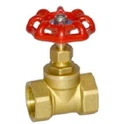
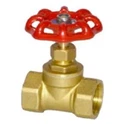
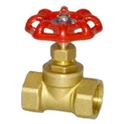
Brass gate valves, like our Brass Gate Valve 1/2" and Customized Brass Gate Valve, have their own advantages. They are generally more resistant to high - pressure and high - temperature conditions compared to PP - R gate valves. However, brass is heavier and more expensive than PP - R.
PP - R gate valves, on the other hand, are lightweight, corrosion - resistant, and easy to install. They are a cost - effective solution for many high - altitude applications, especially in systems where the pressure and temperature requirements are within the capabilities of the PP - R material.
Conclusion
In conclusion, using a PP - R gate valve in a high - altitude area requires careful consideration of the unique environmental factors. Temperature variations, low atmospheric pressure, UV radiation, and installation and maintenance challenges all play a role in determining the valve's performance and lifespan.
As a PP - R gate valve supplier, we are committed to providing high - quality products that meet the special requirements of high - altitude applications. Our valves are designed and tested to ensure reliable operation in these challenging environments.
If you are in need of a PP - R gate valve for a high - altitude project, I encourage you to contact us for more information. We can discuss your specific needs and provide you with the best solution for your application. Let's work together to ensure the success of your project.
References
- "Thermoplastic Pipe Handbook" - A comprehensive guide on the properties and applications of thermoplastic pipes, including PP - R.
- "Engineering for High - Altitude Environments" - Research on the challenges and solutions for engineering projects in high - altitude areas.
- "Valve Technology and Applications" - A resource on different types of valves and their performance in various conditions.