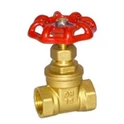
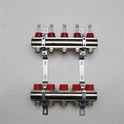
As a gas valve supplier, ensuring the quality of our products is of utmost importance. Gas valves play a crucial role in controlling the flow of gas in various applications, from residential heating systems to industrial processes. Any malfunction or failure of a gas valve can lead to serious safety hazards, including gas leaks, fires, and explosions. Therefore, we implement a comprehensive set of quality control measures throughout the production process to guarantee the reliability and safety of our gas valves.
Raw Material Inspection
The quality of gas valves starts with the selection of high - quality raw materials. We source our materials from trusted suppliers and conduct thorough inspections upon receipt. For brass gas valves, we check the chemical composition of the brass to ensure it meets the required standards. The brass should have the right amount of copper, zinc, and other alloying elements to provide good corrosion resistance, strength, and machinability.
We also inspect the physical properties of the raw materials, such as hardness and density. For example, if the brass is too soft, it may not be able to withstand the pressure in the gas system, leading to deformation or leakage. We use advanced testing equipment, like spectrometers for chemical analysis and hardness testers, to verify these properties.
In - Process Quality Control
Machining Operations
During the machining process, we have strict quality control at every step. For turning, milling, and drilling operations, we use precision machining equipment to ensure that the dimensions of the valve components meet the design specifications. Tolerances are carefully monitored, as even a small deviation can affect the performance of the gas valve.
We regularly measure the critical dimensions of the valve parts using calipers, micrometers, and coordinate measuring machines (CMMs). For instance, the diameter of the valve seat and the length of the valve stem need to be within the specified range to ensure a proper seal and smooth operation.
Assembly
The assembly of gas valves is a critical stage where quality control is closely monitored. Workers are trained to follow a standardized assembly process. Each component is carefully inspected before assembly to ensure there are no defects, such as cracks or burrs.
We use torque wrenches to ensure that the fasteners are tightened to the correct torque. Incorrect torque can lead to loose connections, which may cause gas leakage. Additionally, we conduct visual inspections during assembly to check for proper alignment of components and the presence of any foreign objects.
Testing Procedures
Pressure Testing
One of the most important tests for gas valves is pressure testing. We subject each gas valve to a pressure test to ensure its integrity under normal and extreme operating conditions. For residential gas valves, they are typically tested at a pressure higher than the normal operating pressure, usually around 1.5 to 2 times the maximum working pressure.
We use a pressure testing rig to apply the test pressure and monitor the valve for any signs of leakage. The valve is submerged in a water tank during the test, and any bubbles indicate a leak. For more accurate testing, we also use pressure sensors and data loggers to record the pressure changes over time.
Function Testing
Function testing is another crucial step in quality control. We test the opening and closing functions of the gas valve to ensure smooth operation. For Gas Regulator Valve, we check its ability to regulate the gas pressure accurately. We use calibrated pressure gauges to measure the inlet and outlet pressures and adjust the valve to ensure it maintains the set pressure within the specified tolerance.
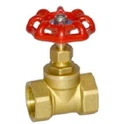
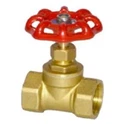
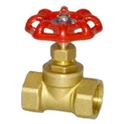
For Handle Gas Valve, we test the ease of turning the handle and the proper sealing when the valve is closed. The handle should turn smoothly without excessive force, and the valve should not leak when fully closed.
Leak Detection
In addition to pressure testing, we use advanced leak detection methods, such as helium mass spectrometry. This method can detect very small leaks that may not be visible during pressure testing in a water tank. The valve is placed in a sealed chamber, and helium is introduced. If there is a leak, the helium will escape, and the mass spectrometer can detect it.
Final Inspection
After all the tests are completed, each gas valve undergoes a final inspection. This includes a visual inspection to check for any surface defects, such as scratches, dents, or improper finishes. We also review the test records to ensure that the valve has passed all the required tests.
The valves are then labeled with important information, such as the model number, pressure rating, and manufacturing date. This information helps in traceability and ensures that customers can easily identify the valve and its specifications.
Quality Management System
We have implemented a quality management system based on international standards, such as ISO 9001. This system provides a framework for continuous improvement in our quality control processes. We conduct regular internal audits to ensure compliance with the quality management system requirements and identify areas for improvement.
We also encourage feedback from our customers. Customer complaints are carefully investigated, and corrective actions are taken to prevent similar issues from occurring in the future. This feedback loop helps us to continuously enhance the quality of our gas valves.


Quality Control for Different Types of Gas Valves
Gas Regulator Valve
In addition to the general quality control measures, gas regulator valves require specific testing for their pressure - regulating function. We test the accuracy of the pressure regulation over a range of inlet pressures and flow rates. The regulator should be able to maintain a stable outlet pressure within a narrow tolerance band, regardless of the changes in the inlet conditions.
Handle Gas Valve
For handle gas valves, the focus is on the mechanical operation of the handle and the sealing performance. We test the durability of the handle by repeatedly opening and closing the valve to simulate long - term use. The valve should still maintain a good seal after a large number of cycles.
Trident Gas Valve
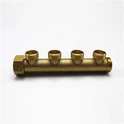
Trident gas valves have a more complex structure, and quality control for these valves involves additional checks. We ensure the proper alignment of the multiple ports and the sealing between them. The valve should be able to control the flow of gas accurately through each port without cross - leakage.
Conclusion
As a gas valve supplier, our commitment to quality control is unwavering. By implementing a comprehensive set of quality control measures, from raw material inspection to final product testing, we ensure that our gas valves meet the highest standards of safety and reliability.
If you are in the market for high - quality gas valves, we invite you to contact us for a detailed discussion about your requirements. Our team of experts is ready to assist you in finding the right gas valves for your application. We look forward to the opportunity to work with you and provide you with top - notch gas valve products.
References
- ISO 9001:2015 Quality management systems - Requirements
- Industry standards for gas valve manufacturing and testing