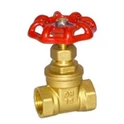
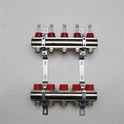
Gas valves are crucial components in various gas - related systems, ensuring the safe and efficient flow of gas. As a gas valve supplier, I understand the importance of proper maintenance to extend the lifespan of these valves and maintain their optimal performance. Here are some essential maintenance tips for gas valves.
Regular Inspection
Regular inspection is the cornerstone of gas valve maintenance. It allows you to detect potential issues early and take preventive measures. You should visually inspect the gas valve at least once a month. Check for any signs of physical damage, such as cracks, dents, or corrosion on the valve body. Corrosion can weaken the valve structure and lead to gas leaks. If you notice any corrosion, it might be a sign of a moisture problem in the environment where the valve is installed.
Inspect the valve connections as well. Loose connections can cause gas leaks, which are extremely dangerous. Tighten any loose nuts or bolts gently, but be careful not to over - tighten, as this can damage the threads. You can use a wrench to check the tightness, but make sure it is the appropriate size for the valve components.
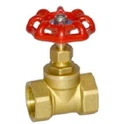
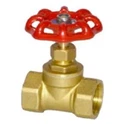
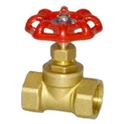
Another important aspect of inspection is to check the valve's operation. Try opening and closing the valve several times to ensure it moves smoothly. A valve that is difficult to turn may indicate internal problems, such as debris or wear in the valve mechanism. For example, in a Handle Gas Valve, if the handle is hard to operate, it could be due to dirt or a malfunctioning stem seal.
Cleaning
Cleaning the gas valve is an important maintenance step. Over time, dust, dirt, and debris can accumulate on the valve, affecting its performance. You can use a soft brush or a cloth to clean the exterior of the valve. For stubborn dirt, you can use a mild detergent and water solution, but make sure to dry the valve thoroughly after cleaning to prevent corrosion.
To clean the internal parts of the valve, you may need to disassemble it carefully. However, this should only be done if you have the necessary skills and knowledge. If you are unsure, it is best to consult a professional. When disassembling the valve, keep track of all the parts and their positions. Clean the internal components, such as the valve seat, stem, and diaphragm, using a suitable cleaning agent. Make sure to remove all the debris and residue.
For example, in a Trident Gas Valve, the complex design may require more careful cleaning. The trident - shaped components may trap dirt in hard - to - reach areas, so a small brush or compressed air can be used to clean these parts effectively.
Lubrication
Proper lubrication can significantly improve the performance and lifespan of a gas valve. Lubricate the moving parts of the valve, such as the stem and the handle mechanism. Use a lubricant that is suitable for gas valves. Silicone - based lubricants are often a good choice as they are resistant to high temperatures and do not react with gas.
Apply the lubricant sparingly. Too much lubricant can attract dirt and debris, which can cause more problems. After applying the lubricant, operate the valve several times to distribute the lubricant evenly. This will ensure smooth operation and reduce wear on the valve components.


Seal Maintenance
The seals in a gas valve are critical for preventing gas leaks. Check the seals regularly for signs of wear, cracking, or damage. If you notice any problems with the seals, replace them immediately. Using the correct replacement seals is essential to ensure a proper fit and effective sealing.
When replacing the seals, make sure to clean the seal grooves thoroughly. Any dirt or debris in the grooves can prevent the new seal from seating properly. Follow the manufacturer's instructions for seal replacement to ensure a safe and reliable installation. For instance, in a Double - Fork Gas Valve, the unique design of the valve may require specific seals, and improper replacement can lead to gas leakage.
Pressure Testing
Periodically, you should conduct pressure testing on the gas valve. This helps to ensure that the valve can withstand the required pressure and is functioning correctly. You can use a pressure gauge to measure the pressure at the inlet and outlet of the valve. Compare the readings with the manufacturer's specifications.
If the pressure readings are outside the normal range, it could indicate a problem with the valve. For example, a lower - than - normal pressure may suggest a restriction in the valve, while a higher - than - normal pressure could be a sign of a malfunctioning pressure - regulating mechanism. In such cases, further inspection and repair may be necessary.
Environmental Considerations
The environment in which the gas valve is installed can have a significant impact on its maintenance requirements. If the valve is installed in a humid or corrosive environment, it will require more frequent inspection and cleaning. You may need to take additional measures to protect the valve, such as applying a protective coating.
Avoid exposing the gas valve to extreme temperatures. High temperatures can cause the valve components to expand and contract, leading to wear and damage. Low temperatures can also affect the performance of the valve, especially the seals. If the valve is installed outdoors, consider using insulation or a protective cover to shield it from the elements.
Record Keeping
Maintaining a maintenance record for each gas valve is a good practice. Record the date of inspection, cleaning, lubrication, seal replacement, and any other maintenance activities. This will help you keep track of the valve's maintenance history and identify any recurring problems.
By referring to the maintenance records, you can also determine when the next maintenance is due. This systematic approach to maintenance ensures that all gas valves are properly maintained and reduces the risk of unexpected failures.
Training and Professional Help
If you are not familiar with gas valve maintenance, it is advisable to seek professional training. There are many courses available that can teach you the proper techniques for maintaining gas valves. Additionally, if you encounter any complex problems during the maintenance process, do not hesitate to contact a professional technician.
A professional technician has the expertise and tools to diagnose and repair gas valve problems safely and effectively. They can also provide valuable advice on how to optimize the performance of the gas valve and prevent future issues.
In conclusion, proper maintenance of gas valves is essential for their safe and efficient operation. By following these maintenance tips, you can extend the lifespan of the gas valves, reduce the risk of gas leaks, and ensure the reliability of your gas - related systems. If you are in need of high - quality gas valves or have any questions about gas valve maintenance, feel free to contact us for further discussion and potential procurement opportunities.
References
- Gas Valve Installation and Maintenance Manuals from Industry Manufacturers
- Technical Papers on Gas Valve Performance and Maintenance
- Safety Standards and Guidelines for Gas Systems