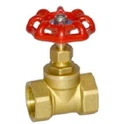
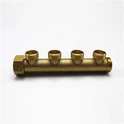
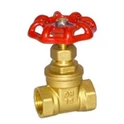
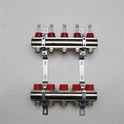
In the intricate world of desalination systems, every component plays a crucial role in ensuring efficient and reliable operation. One such component that often goes unnoticed but is of utmost importance is the Manifold Tail Piece. As a leading supplier of Manifold Tail Pieces, I have witnessed firsthand the significance of proper installation in maximizing the performance of desalination plants. In this blog post, I will delve into the installation requirements for a Manifold Tail Piece in a desalination system, providing valuable insights for engineers, technicians, and anyone involved in the desalination industry.
Understanding the Manifold Tail Piece
Before we dive into the installation requirements, let's first understand what a Manifold Tail Piece is and its role in a desalination system. A Manifold Tail Piece is a specialized component that connects the main manifold to various downstream equipment, such as valves, sensors, and pumps. It serves as a transition point between the manifold and the individual components, allowing for the efficient distribution of fluids within the system.
In a desalination system, the Manifold Tail Piece is responsible for directing the flow of seawater, brine, and treated water to the appropriate locations. It plays a critical role in maintaining the integrity of the system and ensuring that the desalination process runs smoothly. Therefore, proper installation of the Manifold Tail Piece is essential to prevent leaks, minimize pressure drops, and optimize the overall performance of the desalination plant.
Installation Requirements
1. Material Compatibility
The first and foremost requirement for installing a Manifold Tail Piece in a desalination system is material compatibility. Desalination plants operate in harsh environments, where the water contains high levels of salt, minerals, and other contaminants. Therefore, the Manifold Tail Piece must be made of materials that are resistant to corrosion, erosion, and chemical attack.
Common materials used for Manifold Tail Pieces in desalination systems include stainless steel, titanium, and high-grade plastics. These materials offer excellent resistance to corrosion and can withstand the high pressures and temperatures typically encountered in desalination plants. When selecting a Manifold Tail Piece, it is important to ensure that the material is compatible with the specific operating conditions of the desalination system.
2. Proper Sizing
Another crucial installation requirement is proper sizing of the Manifold Tail Piece. The size of the Manifold Tail Piece must be carefully selected based on the flow rate, pressure, and temperature requirements of the desalination system. A Manifold Tail Piece that is too small may result in excessive pressure drops, while a Manifold Tail Piece that is too large may lead to inefficient flow distribution.
To determine the appropriate size of the Manifold Tail Piece, it is necessary to consider factors such as the number of downstream components, the diameter of the main manifold, and the desired flow rate. Consulting with a qualified engineer or using hydraulic calculation software can help ensure that the Manifold Tail Piece is properly sized for the specific desalination system.
3. Correct Alignment
Proper alignment of the Manifold Tail Piece is essential to ensure smooth flow and prevent leaks. During installation, the Manifold Tail Piece must be aligned with the main manifold and the downstream components to ensure that the fluid can flow freely without any obstructions. Misalignment can cause turbulence, pressure drops, and premature wear of the components.
To achieve correct alignment, it is important to use precision measuring tools and follow the manufacturer's installation instructions. The Manifold Tail Piece should be securely fastened to the main manifold and the downstream components using appropriate bolts, gaskets, and seals. Regular inspections should be conducted to ensure that the alignment remains correct over time.
4. Leak Testing
Before putting the desalination system into operation, it is crucial to conduct thorough leak testing of the Manifold Tail Piece and the entire system. Leaks can not only lead to loss of valuable fluids but also pose a safety hazard and reduce the efficiency of the desalination process.
Leak testing can be performed using various methods, such as pressure testing, vacuum testing, and visual inspection. Pressure testing involves applying a specified pressure to the system and monitoring for any pressure drops, which indicate the presence of leaks. Vacuum testing involves creating a vacuum in the system and checking for any air leaks. Visual inspection involves examining the joints, connections, and seals for any signs of leakage.
Any leaks detected during the testing process should be promptly repaired before the system is put into operation. This may involve tightening bolts, replacing gaskets, or re-aligning the components. Regular leak testing should be conducted as part of the maintenance routine to ensure the continued integrity of the desalination system.


5. Maintenance and Inspection
Once the Manifold Tail Piece is installed and the desalination system is operational, regular maintenance and inspection are essential to ensure its continued performance. Maintenance tasks may include cleaning the Manifold Tail Piece, replacing worn gaskets and seals, and checking for any signs of corrosion or damage.
Inspections should be conducted at regular intervals to identify any potential issues before they become major problems. This may involve visual inspections, pressure testing, and flow rate measurements. Any abnormalities or deviations from the normal operating conditions should be investigated and addressed promptly to prevent system failures and downtime.
Related Manifold Products
In addition to the Manifold Tail Piece, our company also offers a wide range of other manifold products for desalination systems, including Switch Valve Manifold and Flowmeter Manifold. These products are designed to work seamlessly with the Manifold Tail Piece and other components of the desalination system, providing a complete solution for fluid distribution and control.
The Switch Valve Manifold is used to control the flow of fluids between different parts of the desalination system. It allows for the easy switching of flow paths, enabling the system to operate in different modes and configurations. The Flowmeter Manifold, on the other hand, is used to measure the flow rate of fluids in the desalination system. It provides accurate and reliable flow measurements, which are essential for monitoring the performance of the system and ensuring efficient operation.
Conclusion
In conclusion, the installation of a Manifold Tail Piece in a desalination system is a critical process that requires careful attention to detail. By ensuring material compatibility, proper sizing, correct alignment, leak testing, and regular maintenance and inspection, you can maximize the performance and reliability of the desalination plant.
As a leading supplier of Manifold Tail Pieces, we are committed to providing high-quality products and excellent customer service. Our team of experts is available to assist you with any questions or concerns you may have regarding the installation and operation of the Manifold Tail Piece in your desalination system.
If you are interested in learning more about our Manifold Tail Pieces or other manifold products for desalination systems, please do not hesitate to contact us. We look forward to the opportunity to work with you and help you achieve your desalination goals.
References
- Desalination Handbook, Second Edition, by Peter M. Banks
- Water Desalination for Sustainable Development, by Mohamed A. Gad-el-Hak
- Handbook of Seawater Desalination, by Luis A. Roa-Medina