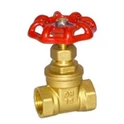
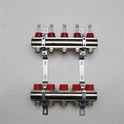
As a supplier of Manifold Tail Pieces, I've had the opportunity to closely observe their applications in various systems. While these components offer numerous advantages in fluid management and distribution, it's important to be aware of their potential disadvantages. This blog post aims to shed light on some of the drawbacks associated with using a Manifold Tail Piece, providing a balanced view for those considering its use in their projects.
Compatibility Issues
One of the primary disadvantages of using a Manifold Tail Piece is compatibility. Manifold Tail Pieces come in a variety of sizes, materials, and connection types. Ensuring that the tail piece you choose is compatible with your existing system can be a challenge. For instance, if you're using a system with specific thread sizes or connection standards, a mismatched Manifold Tail Piece can lead to leaks or improper fitting.
The Manifold Tail Piece offered by our company is designed to meet a wide range of standards, but in some cases, custom applications may still require careful consideration. Incompatible tail pieces can not only cause immediate problems but also lead to long - term damage to the system. For example, if the pressure ratings of the tail piece and the system do not match, it can result in over - stressing of the component, leading to premature failure.
Limited Flow Capacity
Another significant drawback is the limited flow capacity of Manifold Tail Pieces. The internal diameter of the tail piece plays a crucial role in determining the amount of fluid that can pass through it. In some high - flow applications, a standard Manifold Tail Piece may not be able to handle the required volume of fluid. This can lead to reduced system efficiency and performance.
For instance, in large - scale industrial processes where a high volume of fluid needs to be distributed quickly, a Manifold Tail Piece with a small internal diameter can create a bottleneck. This limitation can force users to either install multiple tail pieces or upgrade to a larger - sized manifold system, which can be costly and time - consuming.
Corrosion and Wear
Manifold Tail Pieces are often exposed to various fluids, some of which can be corrosive. Over time, corrosion can weaken the structure of the tail piece, leading to leaks and potential system failures. The material of the tail piece is a critical factor in determining its resistance to corrosion. While brass is a commonly used material for Manifold Tail Pieces due to its good corrosion resistance, it may not be suitable for all environments.
In harsh chemical environments or areas with high humidity, even brass can corrode. Additionally, the constant flow of fluid through the tail piece can cause wear and tear on the internal surfaces. This wear can increase the roughness of the inner walls, which in turn can affect the flow characteristics of the fluid and lead to further inefficiencies.
Complexity in Installation and Maintenance
Installing a Manifold Tail Piece can be a complex process, especially in systems with multiple components. The need for precise alignment and proper sealing is crucial to prevent leaks. Incorrect installation can not only lead to immediate problems but also make it difficult to troubleshoot issues later on.
Maintenance of Manifold Tail Pieces also requires specialized knowledge and tools. Regular inspections are necessary to detect signs of corrosion, wear, or leaks. However, accessing the tail piece for inspection and maintenance can be challenging, especially in systems where it is installed in hard - to - reach locations. This complexity can increase the overall cost of ownership of the system, as it may require the hiring of professional technicians for installation and maintenance.
Cost Considerations
The cost of Manifold Tail Pieces can be a significant factor, especially for large - scale projects. High - quality tail pieces made from corrosion - resistant materials and with precise manufacturing tolerances tend to be more expensive. In addition to the initial purchase cost, there are also the costs associated with installation, maintenance, and potential replacement.
For small - scale applications, the cost of a Manifold Tail Piece may not be a major concern. However, for industrial projects where multiple tail pieces are required, the cost can quickly add up. This can put a strain on the project budget and may force some users to opt for lower - quality components, which can lead to more problems in the long run.
Impact on System Flexibility
Manifold Tail Pieces can limit the flexibility of a system. Once a tail piece is installed, it can be difficult to modify or expand the system without replacing the tail piece. This lack of flexibility can be a problem in industries where systems need to be easily adaptable to changing requirements.


For example, in a manufacturing plant where production processes may change over time, a rigid Manifold Tail Piece system may not be able to accommodate new flow requirements or different types of fluids. This can force companies to invest in a completely new manifold system, which can be a significant financial burden.
Conclusion
While Manifold Tail Pieces are an essential component in many fluid management systems, they do come with several disadvantages. Compatibility issues, limited flow capacity, corrosion and wear, complexity in installation and maintenance, cost considerations, and impact on system flexibility are all factors that need to be carefully considered before using a Manifold Tail Piece.
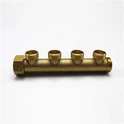
However, it's important to note that with proper planning, selection, and maintenance, many of these disadvantages can be mitigated. At our company, we offer a wide range of Manifold Tail Pieces as well as Temperature Control Manifolds and Four Way Brass Manifolds that are designed to meet different needs and minimize these drawbacks.
If you're considering using a Manifold Tail Piece in your project, we encourage you to contact us for more information. Our team of experts can help you select the right component for your application and provide guidance on installation and maintenance. We are committed to providing high - quality products and excellent customer service to ensure the success of your projects.
References
- Fluid Power Handbook, various editions
- Industrial Piping and Fluid Systems Design Manual
- Corrosion Resistance of Metals in Different Environments - Research Papers