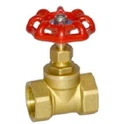
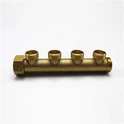
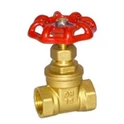
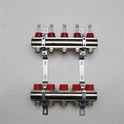
Hey there! I'm a supplier of brass valve bodies, and today I wanna have an open and honest chat about the disadvantages of brass valve bodies. Now, don't get me wrong, brass valve bodies have their perks, like good corrosion resistance, malleability, and a decent lifespan. But they're not all sunshine and rainbows. Let's dive right in and explore the downsides.
1. Cost Considerations
First off, brass valve bodies can be pretty pricey. Brass is an alloy made mainly of copper and zinc, and the cost of these raw materials can fluctuate a lot due to market conditions. When the prices of copper and zinc go up, the cost of producing brass valve bodies also shoots up, and that cost is often passed on to the customers.
If you're on a tight budget, shelling out for brass valve bodies might not be the best option. You could end up spending a whole lot more than you would on valve bodies made from other materials like plastic or cast iron. For small - scale projects or DIY jobs, the cost difference can be a real deal - breaker.
2. Limited Temperature and Pressure Resistance
Brass valve bodies have their limits when it comes to handling extreme temperatures and pressures. In high - temperature environments, brass can start to lose its strength. When the heat gets too intense, the brass may deform, which can lead to leaks in the valve. This is a big problem in industrial settings where high - temperature processes are common, like in power plants or chemical refineries.
Similarly, when it comes to high - pressure applications, brass valve bodies may not be up to the task. They can crack or rupture under excessive pressure, posing a safety risk. In systems that require valves to handle high - pressure fluids or gases, you might be better off looking at valve bodies made from materials like stainless steel, which can withstand much higher pressures and temperatures.


3. Corrosion in Specific Environments
While brass is known for its corrosion resistance, it's not invincible. In some environments, brass valve bodies can corrode. For example, in environments with high levels of chlorine, such as swimming pool systems or water treatment plants, brass can be prone to a type of corrosion called dezincification.
Dezincification is a process where zinc is selectively removed from the brass alloy, leaving behind a porous, copper - rich layer. This weakens the valve body and can eventually lead to failure. Also, in acidic or alkaline environments, brass can corrode at an accelerated rate. If you're using brass valve bodies in these types of settings, you'll need to be extra vigilant about maintenance and may need to replace the valves more frequently.
4. Lead Content Concerns
Brass often contains a small amount of lead. While modern regulations have set limits on the amount of lead in brass used for plumbing applications, there's still a concern, especially in applications where the valve comes into contact with drinking water. Even trace amounts of lead can leach into the water over time, which is a health hazard.
In areas with strict water quality standards, using brass valve bodies in drinking water systems can be a no - go. You might have to look for lead - free alternatives or go for valve bodies made from other materials to ensure the safety of the water supply.
5. Compatibility Issues
Brass valve bodies may not be compatible with all types of fluids and chemicals. Some chemicals can react with brass, causing corrosion or other forms of damage. For example, certain solvents, strong acids, or alkalis can eat away at the brass surface.
If you're using a valve body in a chemical processing plant or a laboratory setting, you need to be very careful about the compatibility of the brass with the substances it will come into contact with. Incompatible fluids can not only damage the valve body but also contaminate the fluid being handled, which can have serious consequences.
6. Aesthetic Limitations
Although this might not be a deal - breaker for all applications, the appearance of brass valve bodies can be a drawback in some cases. Over time, brass can develop a patina, which is a layer of oxidation on the surface. While some people like the aged look of brass, in settings where a clean, modern appearance is required, the patina can be unappealing.
In applications where the valve is visible, such as in architectural or decorative plumbing, the changing appearance of the brass valve body may not fit the design aesthetic. You might need to invest in additional maintenance to keep the brass looking shiny and new, or consider alternative valve body materials that offer a more consistent appearance.
7. Machining and Manufacturing Complexities
Producing brass valve bodies can be a complex process. Machining brass requires specific tools and techniques. If the machining is not done correctly, it can lead to imperfections in the valve body, such as rough surfaces or inaccurate dimensions.
These imperfections can affect the performance of the valve, leading to issues like leaks or improper sealing. Additionally, the manufacturing process can be time - consuming, which can delay production and increase costs. In a fast - paced industry where quick turnaround times are crucial, these manufacturing complexities can be a significant disadvantage.
8. Weight
Brass valve bodies are relatively heavy compared to valve bodies made from some other materials, like plastic. This extra weight can be a problem in applications where weight is a concern, such as in aerospace or automotive industries.
The added weight can increase the overall weight of the system, which can have implications for fuel efficiency in vehicles or payload capacity in aircraft. In these industries, every ounce counts, and the weight of brass valve bodies can be a limiting factor.
Conclusion
So, there you have it - the disadvantages of brass valve bodies. As a supplier, I know that it's important to be upfront about these issues so that you can make an informed decision when choosing valve bodies for your projects.
Even with these drawbacks, brass valve bodies still have their place in many applications. They offer a good balance of properties in many common situations. If you're interested in learning more about our Five Way Valve Body, Chrome - Plated Brass Body, or Pickled Brass Valve Body, feel free to reach out for more information. We're always here to help you figure out if brass valve bodies are the right choice for you. Let's have a chat and see if we can find the best solution for your needs.
References
- "Materials Science and Engineering: An Introduction" by William D. Callister Jr. and David G. Rethwisch
- "Handbook of Valves" by Joseph E. O'Brien