Corrosion is a persistent challenge in the realm of industrial equipment, and ball union valves are no exception. As a reliable supplier of ball union valves, we understand the critical importance of implementing effective corrosion - prevention measures to ensure the longevity and optimal performance of these essential components. In this blog, we will explore various strategies to protect ball union valves from corrosion.
Understanding Corrosion in Ball Union Valves
Before delving into the prevention measures, it's crucial to understand how corrosion occurs in ball union valves. Corrosion is an electrochemical process where metals react with their environment, leading to the deterioration of the valve's material. This can be accelerated by factors such as moisture, chemical exposure, and high - temperature conditions. In ball union valves, corrosion can compromise the sealing performance, cause leaks, and ultimately lead to valve failure.
Material Selection
One of the fundamental steps in preventing corrosion is the proper selection of materials for ball union valves. Different metals have varying degrees of resistance to corrosion.
- Stainless Steel: Stainless steel is a popular choice for ball union valves due to its excellent corrosion resistance. It contains chromium, which forms a passive oxide layer on the surface of the metal, protecting it from further oxidation. For applications in mildly corrosive environments, such as water systems, austenitic stainless steels like 304 or 316 can be used. These grades offer good resistance to general corrosion and are relatively cost - effective.
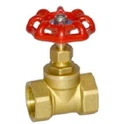
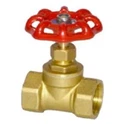
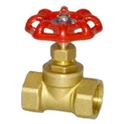
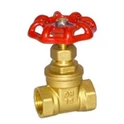
- Brass: Brass is another commonly used material for ball union valves. It has good corrosion resistance in many environments, especially in water and some mild chemical applications. However, its corrosion resistance can be affected by the presence of certain elements in the environment, such as ammonia or sulfur compounds. For better corrosion protection, brass valves can be coated or treated. For instance, you can check out our [PPR Spherical Valve](/brass - valve/brass - ball - valve/ppr - spherical - valve.html), which is made of high - quality brass and designed to resist corrosion in various applications.
- Alloy Steels: In more severe corrosive environments, alloy steels with specific alloying elements can be used. For example, duplex stainless steels have a higher resistance to pitting and crevice corrosion compared to austenitic stainless steels. They are suitable for applications in aggressive chemical industries or marine environments.
Surface Coating and Treatment
Applying surface coatings and treatments is an effective way to enhance the corrosion resistance of ball union valves.
- Epoxy Coating: Epoxy coatings provide a protective barrier between the valve surface and the corrosive environment. They are resistant to chemicals, moisture, and abrasion. Epoxy - coated ball union valves are commonly used in water treatment plants, chemical processing industries, and oil and gas applications. The coating can be applied to the entire valve body or just the areas that are most exposed to corrosion.
- Zinc Plating: Zinc plating is a widely used surface treatment for steel and iron components. It acts as a sacrificial anode, meaning that the zinc corrodes preferentially to the underlying metal. This provides cathodic protection to the valve. Zinc - plated ball union valves are suitable for applications in less severe corrosive environments, such as in some plumbing systems.
- Passivation: Passivation is a chemical treatment that removes free iron from the surface of stainless steel valves, enhancing the formation of the passive oxide layer. This process improves the corrosion resistance of stainless steel ball union valves, especially in environments where there is a risk of rusting or pitting.
Environmental Control
Controlling the environment in which the ball union valves operate can significantly reduce the risk of corrosion.
- Moisture Control: Moisture is one of the primary factors contributing to corrosion. In areas with high humidity, proper ventilation can be installed to reduce the moisture content in the air. In industrial settings, dehumidifiers can be used to maintain a low - humidity environment. For valves installed outdoors, protective enclosures can be used to shield them from rain and moisture.
- Chemical Exposure: Minimizing the exposure of ball union valves to corrosive chemicals is essential. If the valves are used in chemical processing plants, proper handling and storage of chemicals should be ensured. In some cases, the use of chemical inhibitors can be considered. These are substances that can be added to the fluid flowing through the valve to reduce the corrosion rate.
Regular Inspection and Maintenance
Regular inspection and maintenance are crucial for detecting and preventing corrosion in ball union valves.
- Visual Inspection: Visual inspection should be carried out periodically to check for signs of corrosion, such as rust, discoloration, or pitting on the valve surface. Any visible damage or corrosion should be addressed immediately to prevent further deterioration.
- Testing: Non - destructive testing methods, such as ultrasonic testing or magnetic particle testing, can be used to detect internal corrosion or defects in the valve. These tests can help identify problems before they lead to valve failure.
- Lubrication: Proper lubrication of the valve components can prevent corrosion by reducing friction and wear. Lubricants can also act as a barrier against moisture and corrosive substances. It's important to use lubricants that are compatible with the valve material and the operating environment.
Specialized Valve Designs
In some cases, specialized valve designs can be used to prevent corrosion.
- Filter Ball Valve: Our [Filter Ball Valve](/brass - valve/brass - ball - valve/filter - ball - valve.html) is designed with a built - in filter to remove impurities from the fluid flowing through the valve. This can reduce the risk of corrosion caused by abrasive particles or contaminants in the fluid. The filter can be easily cleaned or replaced, ensuring the long - term performance of the valve.
- Ball Valve for Temperature Measurement: The [Ball Valve for Temperature Measurement](/brass - valve/brass - ball - valve/ball - valve - for - temperature - measurement.html) is another specialized design. It allows for accurate temperature measurement while maintaining the integrity of the valve. By monitoring the temperature, potential corrosion issues related to high - temperature conditions can be detected and addressed in a timely manner.
Conclusion
Corrosion prevention is a multi - faceted approach that involves material selection, surface coating, environmental control, regular inspection, and the use of specialized valve designs. As a supplier of ball union valves, we are committed to providing high - quality products that are designed to resist corrosion in various applications. By implementing these corrosion - prevention measures, you can ensure the reliable operation of your ball union valves and extend their service life.


If you are interested in purchasing high - quality ball union valves or have any questions about corrosion prevention, please feel free to contact us for procurement discussions. We look forward to working with you to meet your industrial valve needs.
References
- Jones, D. A. (1992). Principles and Prevention of Corrosion. Prentice Hall.
- Uhlig, H. H., & Revie, R. W. (1985). Corrosion and Corrosion Control. Wiley - Interscience.