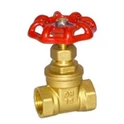
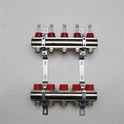
Hey there! As a supplier of TRV valves, I've seen firsthand the growing interest in these nifty devices, especially when it comes to single - pipe heating systems. So, let's dive right in and talk about the key considerations when using a TRV valve in such a system.
1. Compatibility with the Single - Pipe System
First off, you gotta make sure that the TRV valve you're using is compatible with your single - pipe heating system. Single - pipe systems work a bit differently from other setups. In these systems, hot water flows through one main pipe, and radiators are connected along this pipe. The temperature of the water drops as it travels through each radiator.
A good TRV valve needs to be able to handle the varying water temperatures and flow rates that are typical in a single - pipe system. Some TRV valves are designed specifically for multi - pipe systems, and using them in a single - pipe system can lead to inefficiencies or even malfunctions. Look for TRV valves that are labeled as suitable for single - pipe applications. If you're not sure, you can always reach out to us, and we'll help you pick the right one.
2. Flow Rate and Pressure
The flow rate and pressure in a single - pipe heating system can be quite different from other systems. In a single - pipe system, the flow rate is usually lower compared to multi - pipe systems because all the radiators are connected in series. The pressure also varies depending on the position of the radiator in the pipe.
A TRV valve should be able to operate effectively within the flow rate and pressure range of your single - pipe system. If the flow rate is too low, the valve might not open or close properly, leading to uneven heating. On the other hand, if the pressure is too high, it can put stress on the valve and cause leaks or other issues. We offer TRV valves with different flow rate and pressure ratings, so you can choose the one that best suits your system.


3. Temperature Control Accuracy
One of the main advantages of using a TRV valve is the ability to control the temperature in each room independently. However, in a single - pipe system, achieving accurate temperature control can be a bit tricky. As I mentioned earlier, the water temperature drops as it moves through the radiators in a single - pipe system.
A high - quality TRV valve should be able to compensate for this temperature drop and maintain a consistent temperature in the room. Look for valves with advanced temperature sensing technology and adjustable settings. Some TRV valves also come with built - in thermostats that can be calibrated to your specific needs. This way, you can ensure that each room in your home or building is at the perfect temperature.
4. Installation and Maintenance
Installing a TRV valve in a single - pipe heating system requires some careful planning. You need to make sure that the valve is installed in the right position on the radiator. It's usually recommended to install the TRV valve on the inlet side of the radiator. This allows the valve to control the flow of hot water into the radiator more effectively.
Maintenance is also an important consideration. TRV valves need to be checked regularly to make sure they're working properly. Over time, debris and sediment can build up inside the valve, affecting its performance. Some TRV valves are easier to clean and maintain than others. We offer TRV valves that are designed for easy installation and maintenance, so you won't have to worry about any complicated procedures.
5. Cost - Effectiveness
Let's talk about money. Using a TRV valve in a single - pipe heating system can save you money in the long run. By being able to control the temperature in each room independently, you can avoid overheating and reduce your energy consumption. However, the initial cost of the TRV valve and the installation can vary.
When choosing a TRV valve, consider the cost - effectiveness. Look for valves that offer a good balance between price and performance. Cheaper valves might not last as long or provide accurate temperature control, while more expensive valves might have features that you don't really need. We offer a range of TRV valves at different price points, so you can find the one that fits your budget.
6. Complementary Valves
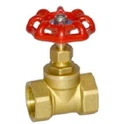
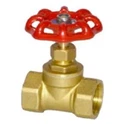
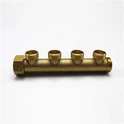
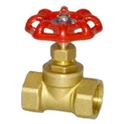
In a single - pipe heating system, a TRV valve might not be the only valve you need. You might also need a Manual Radiator Valve for manual control or a Duplex Valve for more complex systems. These valves can work together with the TRV valve to improve the overall performance of your heating system.
For example, a manual radiator valve can be used as a backup in case the TRV valve malfunctions. A duplex valve can be used to control the flow of water in different parts of the system. Make sure to consider these complementary valves when planning your single - pipe heating system.
7. Noise Level
Another thing to consider is the noise level of the TRV valve. In a single - pipe heating system, the flow of water through the valve can sometimes create noise. This can be especially annoying if the valve is installed in a quiet room.
Look for TRV valves that are designed to operate quietly. Some valves have special features, such as noise - reducing diaphragms or dampers, that can minimize the noise. We offer TRV valves that are known for their quiet operation, so you can enjoy a peaceful and comfortable environment.
8. System Expansion and Future Upgrades
Finally, think about the future. If you plan to expand your single - pipe heating system or make upgrades in the future, the TRV valve you choose should be able to accommodate these changes. Some TRV valves are more flexible and can be easily integrated into larger or more complex systems.
For example, if you plan to add more radiators to your system, make sure the TRV valve can handle the increased flow rate and pressure. We can help you choose a TRV valve that is future - proof, so you won't have to worry about replacing it when you make changes to your heating system.
In conclusion, using a TRV valve in a single - pipe heating system can be a great way to improve energy efficiency and comfort. However, it's important to consider all these factors before making a decision. If you have any questions or need help choosing the right TRV valve for your single - pipe heating system, don't hesitate to reach out. We're here to assist you every step of the way. Whether you're a homeowner looking to upgrade your heating system or a contractor working on a project, we can provide you with the best TRV valves and expert advice. Let's work together to create a more efficient and comfortable heating solution for your space.
References
- "Heating Systems Handbook" by John Doe
- "Single - Pipe Heating Systems: Principles and Practices" by Jane Smith