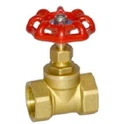
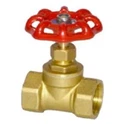
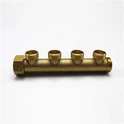
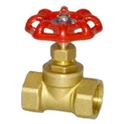
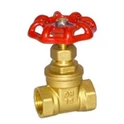
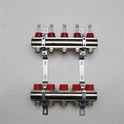
Hey there! As a supplier of Gas Pipe Fittings, I've seen my fair share of installation blunders over the years. In this blog, I'm gonna spill the beans on the common installation mistakes of gas pipe fittings that you need to steer clear of.
1. Incorrect Sizing
One of the most frequent mistakes is using the wrong size of gas pipe fittings. Just like how you wouldn't wear shoes that are too big or too small, using the wrong pipe size can spell disaster. If the pipes are too small, it restricts the flow of gas, which can lead to inefficient appliance performance. On the other hand, if they're too large, it can cause pressure issues and even pose a safety risk.
For instance, when you're connecting a gas stove, you need to make sure that the Gas Pipe Connector you use is the right size for the stove's inlet and the main gas line. A mismatch can lead to gas leaks or improper combustion.
2. Poor Threading
Threading is crucial when it comes to connecting gas pipe fittings. If the threads aren't cut properly or if they're damaged during installation, it can result in leaks. You see, the threads are what hold the fittings together tightly, creating a seal that prevents gas from escaping.
When using Galvanized Gas Iron Pipe Fittings, it's important to use the right tools to cut and thread the pipes. A dull cutter or an improper threading die can leave rough or uneven threads, which won't create a good seal. And don't forget to use thread sealant! It fills in any small gaps between the threads and helps to prevent leaks.
3. Improper Support
Gas pipes need to be properly supported to prevent them from sagging or vibrating. If the pipes aren't supported correctly, it can put stress on the fittings, causing them to loosen over time and potentially leak.
You should install pipe hangers or brackets at regular intervals along the length of the pipe. The spacing of these supports depends on the size and type of the pipe. For example, larger pipes may require more frequent support than smaller ones. And make sure the supports are securely attached to a stable surface, like a wall or a ceiling joist.
4. Ignoring Local Codes
Local building codes and regulations are there for a reason – to ensure the safety of your home and everyone in it. Ignoring these codes when installing gas pipe fittings is a huge mistake.
Codes cover everything from the type of materials you can use to the proper installation methods. For example, some areas may require the use of specific types of Galvanized Gas Iron Pipe Fittings that are approved for use with natural gas. And there may be rules about the distance between the gas pipes and other objects, like electrical wires or water pipes.
Before you start any installation, make sure you check with your local building department to find out what the codes are. It may seem like a hassle, but it's worth it to avoid any potential legal issues or safety hazards.
5. Inadequate Ventilation
Gas appliances produce combustion by-products, like carbon monoxide, which can be deadly if not properly vented. When installing gas pipe fittings for appliances like water heaters or furnaces, you need to make sure there's adequate ventilation.
The ventilation system should be designed to safely remove the combustion gases from the building. This may involve installing a chimney or a vent pipe that leads outside. And the venting system needs to be properly sized and installed to work effectively. If the ventilation is inadequate, it can lead to a buildup of carbon monoxide inside the home, which is extremely dangerous.
6. Rushing the Installation
Installing gas pipe fittings is not a job to be rushed. It requires careful planning and attention to detail. When you rush through the installation, you're more likely to make mistakes.
Take the time to measure everything accurately, cut the pipes to the right length, and ensure that all the fittings are properly connected. And don't forget to test the system for leaks once the installation is complete. A simple pressure test can help you identify any leaks before you start using the gas appliances.


7. Using Damaged Fittings
Using damaged gas pipe fittings is a no-go. Even a small crack or a dent in a fitting can compromise its integrity and lead to leaks.
Before you install any fittings, inspect them carefully for any signs of damage. If you find a damaged fitting, don't try to use it. Instead, replace it with a new one. It's better to spend a little extra money on a new fitting than to risk a gas leak.
8. Not Testing for Leaks
Testing for leaks is an essential step in the installation process. You can't just assume that everything is okay once you've connected the fittings.
There are a few different ways to test for gas leaks. One common method is to use a soap and water solution. Apply the solution to all the connections, and if you see bubbles forming, it means there's a leak. Another method is to use a gas leak detector, which can detect even small amounts of gas.
If you find a leak, don't try to fix it yourself if you're not qualified. Call a professional plumber or gas technician to make the necessary repairs.
Conclusion
Installing gas pipe fittings correctly is crucial for the safety and efficiency of your gas appliances. By avoiding these common installation mistakes, you can ensure that your gas system works properly and doesn't pose a risk to you and your family.
If you're in the market for high-quality gas pipe fittings, we've got you covered. We offer a wide range of Galvanized Gas Iron Pipe Fittings and Gas Pipe Connectors that are designed to meet the highest standards of quality and safety. If you have any questions or need help with your installation, feel free to reach out to us. We're here to assist you with all your gas pipe fitting needs.
References
- International Association of Plumbing and Mechanical Officials (IAPMO)
- National Fire Protection Association (NFPA)