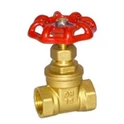
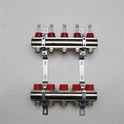
As a supplier of brass fittings, I've witnessed firsthand the importance of preventing leaks in these essential components. Brass fittings are widely used in various plumbing, heating, and gas systems due to their durability, corrosion resistance, and excellent mechanical properties. However, leaks can still occur if proper installation and maintenance procedures are not followed. In this blog post, I'll share some valuable tips on how to prevent brass fittings from leaking, ensuring the long - term performance of your systems.
1. Select the Right Brass Fittings
The first step in preventing leaks is to choose the appropriate brass fittings for your specific application. Different systems have different requirements, and using the wrong type of fitting can lead to leaks.
- Consider the Application: For gas systems, it's crucial to use fittings specifically designed for gas applications, such as Pex Fitting for Gas. These fittings are engineered to meet the safety standards and pressure requirements of gas systems. Similarly, for heating systems, Pex Fitting for Heating should be selected to ensure compatibility with the high - temperature and high - pressure conditions.
- Check the Size and Thread Type: Using the correct size and thread type is essential. An improper fit can cause gaps between the fittings, leading to leaks. Always measure the pipes accurately and choose fittings with the matching size and thread type. For custom projects, Custom Brass Fittings can be a great option, as they can be tailored to your exact specifications.
2. Prepare the Pipes and Fittings Properly
Proper preparation of pipes and fittings before installation is key to preventing leaks.
- Clean the Pipes and Fittings: Remove any dirt, debris, or rust from the pipes and fittings. Even a small particle can prevent a proper seal. Use a wire brush or sandpaper to clean the surfaces, and then wipe them with a clean cloth.
- Deburr the Pipes: After cutting the pipes, make sure to deburr the edges. Sharp edges can damage the sealing surfaces of the fittings, leading to leaks. A deburring tool can be used to smooth the edges of the pipes.
- Apply Thread Sealant or Tape: For threaded fittings, applying a thread sealant or tape is necessary. Thread sealant fills the gaps between the threads, preventing leaks. When using tape, wrap it around the male threads in a clockwise direction, making sure to cover all the threads. Be careful not to over - wrap the tape, as it can cause the fitting to jam.
3. Install the Fittings Correctly
The installation process plays a significant role in preventing leaks.


- Use the Right Tools: Using the appropriate tools for installation is crucial. For example, a pipe wrench should be used to tighten the fittings. Make sure the wrench is the correct size for the fitting to avoid damaging it.
- Tighten the Fittings Properly: Over - tightening or under - tightening the fittings can both lead to leaks. Over - tightening can damage the threads or the fitting itself, while under - tightening can result in a loose connection. Follow the manufacturer's recommendations for the proper torque when tightening the fittings. In general, it's better to tighten the fittings gradually and evenly.
- Avoid Cross - Threading: Cross - threading occurs when the threads of the fitting and the pipe do not align properly during installation. This can damage the threads and prevent a proper seal. Always start the fitting by hand to ensure the threads are aligned correctly before using a wrench to tighten it.
4. Conduct Pressure Tests
After installation, it's important to conduct pressure tests to check for leaks.
- Test the System at the Recommended Pressure: Use a pressure testing device to pressurize the system to the recommended level. This will help identify any leaks that may not be visible under normal operating conditions.
- Inspect the Fittings for Leaks: Carefully inspect all the fittings for any signs of leaks, such as water droplets or hissing sounds. If a leak is detected, immediately shut off the pressure and repair the fitting.
5. Maintain the Brass Fittings Regularly
Regular maintenance can extend the lifespan of the brass fittings and prevent leaks.
- Inspect the Fittings Periodically: Check the fittings for any signs of wear, corrosion, or damage. Look for cracks, leaks, or loose connections. Early detection of problems can prevent them from becoming more serious.
- Clean the Fittings: Over time, dirt and debris can accumulate on the fittings, which can affect their performance. Clean the fittings regularly to keep them in good condition.
- Replace Worn - Out Fittings: If a fitting shows signs of significant wear or damage, it should be replaced immediately. Using worn - out fittings can increase the risk of leaks and other problems.
6. Protect the Fittings from Environmental Factors
Environmental factors can also affect the performance of brass fittings and cause leaks.
- Avoid Exposure to Harsh Chemicals: Brass fittings can be corroded by certain chemicals. Avoid exposing the fittings to harsh chemicals such as acids or alkalis. If the fittings are in an environment where they may come into contact with chemicals, use appropriate protective measures.
- Protect from Extreme Temperatures: Extreme temperatures can cause the brass to expand or contract, which can lead to leaks. In areas with extreme temperature variations, consider using insulation to protect the fittings.
7. Train Your Installation Team
If you have an installation team, proper training is essential to ensure that the brass fittings are installed correctly.
- Provide Technical Training: Train your team on the proper installation procedures, including pipe preparation, fitting selection, and tightening techniques. Make sure they are familiar with the safety standards and best practices.
- Keep the Team Updated: The plumbing and fitting industry is constantly evolving. Keep your team updated on the latest products, technologies, and installation methods.
In conclusion, preventing brass fittings from leaking requires a combination of proper selection, preparation, installation, testing, maintenance, and protection. By following these tips, you can ensure the reliability and longevity of your brass fittings. As a trusted supplier of brass fittings, we are committed to providing high - quality products and technical support to help you achieve leak - free systems. If you have any questions or need to purchase brass fittings for your project, please feel free to contact us for more information and to start a procurement discussion.
References
- Plumbing Installation Handbook, various editions
- Brass Fittings Manufacturer's Technical Guides