Optimizing the performance of brass manifolds is crucial for ensuring efficient fluid distribution in various industrial and commercial applications. As a trusted supplier of brass manifolds, I understand the significance of delivering high - quality products that meet and exceed our customers' expectations. In this blog, I will share some valuable insights and strategies on how to optimize the performance of brass manifolds.
Material Selection and Quality
The first step in optimizing brass manifold performance is to start with the right material. Brass is an alloy composed mainly of copper and zinc, and its properties can vary depending on the exact composition. High - quality brass with the appropriate copper - zinc ratio offers excellent corrosion resistance, which is essential for long - term performance, especially when dealing with different types of fluids.
We source our brass from reliable suppliers and subject it to strict quality control measures. This ensures that the brass used in our manifolds has consistent mechanical and chemical properties. For example, the hardness and ductility of the brass are carefully monitored to prevent cracking during installation and operation. A well - made brass manifold should be able to withstand high pressures and temperature variations without compromising its integrity.
Design Considerations
The design of a brass manifold plays a significant role in its performance. The layout of ports, the diameter of passages, and the overall shape of the manifold can all affect fluid flow.
Port Layout
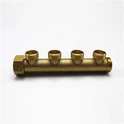
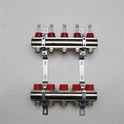
A well - designed port layout can minimize pressure drops and ensure even distribution of fluid. When designing the manifold, we consider the number and position of ports based on the specific application requirements. For instance, in a Four Way Brass Manifold, the ports are strategically placed to allow for smooth and efficient flow of fluid in multiple directions. This design reduces turbulence and helps maintain a consistent flow rate throughout the system.
Passage Diameter
The diameter of the passages in the manifold should be carefully calculated to match the flow rate requirements of the system. If the passages are too small, it can cause excessive pressure drops, leading to reduced efficiency. On the other hand, if the passages are too large, it may result in poor fluid mixing and uneven distribution. Our engineers use advanced fluid dynamics software to optimize the passage diameters for different applications, ensuring optimal performance.
Overall Shape
The overall shape of the manifold can also impact its performance. A streamlined shape can reduce fluid resistance and improve flow characteristics. We design our manifolds with smooth curves and minimal sharp corners to minimize turbulence and energy losses. This not only enhances the performance of the manifold but also reduces the risk of erosion and corrosion.
Manufacturing Processes
The manufacturing process used to produce brass manifolds can have a significant impact on their performance. We use advanced manufacturing techniques to ensure precision and quality in every manifold we produce.
Machining
Precision machining is essential for creating accurate ports and passages in the manifold. We use state - of - the - art CNC machining equipment to ensure tight tolerances and smooth surface finishes. This precision machining helps to minimize leaks and improve the overall reliability of the manifold.
Heat Treatment
Heat treatment can improve the mechanical properties of brass, such as hardness and strength. We carefully control the heat treatment process to ensure that the brass manifolds have the optimal properties for their intended applications. Heat - treated manifolds are more resistant to wear and deformation, which can extend their service life.
Surface Finishing
A proper surface finish can enhance the corrosion resistance of brass manifolds. We offer a variety of surface finishing options, such as plating and coating, to protect the manifolds from environmental factors. For example, a nickel - plated finish can provide an extra layer of protection against corrosion, especially in harsh environments.
Installation and Maintenance
Proper installation and maintenance are key to optimizing the performance of brass manifolds.
Installation
During installation, it is important to follow the manufacturer's instructions carefully. The manifold should be properly aligned and securely mounted to prevent vibration and leakage. All connections should be tightened to the recommended torque values to ensure a leak - free seal. Using the correct gaskets and seals is also crucial for preventing fluid leakage.
Maintenance
Regular maintenance can help identify and address potential issues before they become major problems. Inspecting the manifold for signs of corrosion, leaks, or damage on a regular basis is recommended. Cleaning the manifold periodically can also help remove any debris or contaminants that may affect its performance. For example, in a Manifold Tail Piece, proper maintenance can ensure that the connection remains secure and the fluid flow is unobstructed.
Compatibility with Other Components
Brass manifolds need to be compatible with other components in the fluid system, such as valves, pumps, and pipes. Compatibility issues can lead to reduced performance, leaks, and even system failures.
Valve Compatibility
When selecting valves for use with brass manifolds, it is important to ensure that they have the same pressure and temperature ratings. The valve type and size should also be compatible with the manifold's port size and flow requirements. For example, a Flowmeter Manifold should be paired with a flowmeter that is suitable for the fluid type and flow rate in the system.
Pipe Compatibility
The pipes connected to the brass manifold should have the same or compatible material properties. Using pipes made of different materials can lead to galvanic corrosion, which can damage the manifold and reduce its performance. We can provide guidance on selecting the right pipes and fittings to ensure compatibility with our brass manifolds.
Performance Testing
Before delivering our brass manifolds to customers, we conduct rigorous performance testing to ensure that they meet our high - quality standards. We use advanced testing equipment to measure pressure drops, flow rates, and leakage rates under different operating conditions. This testing allows us to identify any potential issues and make necessary adjustments to optimize the performance of the manifold.
Conclusion
Optimizing the performance of brass manifolds requires a comprehensive approach that includes material selection, design, manufacturing, installation, maintenance, and compatibility. As a supplier of brass manifolds, we are committed to providing our customers with high - quality products that are optimized for performance.


If you are looking for reliable brass manifolds for your industrial or commercial applications, we would be delighted to discuss your requirements. Our team of experts can help you select the right manifold and provide you with all the support you need for installation and maintenance. Contact us today to start a conversation about your procurement needs.
References
- ASME B16.15 - Standard for Cast Copper Alloy Threaded Fittings.
- ASTM B584 - Standard Specification for Copper - Alloy Sand Castings.
- Fluid Mechanics textbooks for reference on fluid flow principles in manifolds.