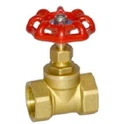
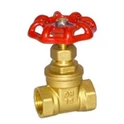
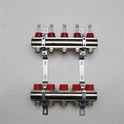
Maintaining a heating valve is crucial for ensuring the efficient and safe operation of your heating system. As a trusted heating valve supplier, we understand the importance of proper maintenance to extend the lifespan of your valves and optimize the performance of your heating setup. In this blog post, we will share some valuable tips on how to maintain a heating valve effectively.
Regular Inspection
Regular inspection is the first step in maintaining a heating valve. It allows you to identify any potential issues early on and take appropriate action. Start by visually inspecting the valve for any signs of damage, such as cracks, leaks, or corrosion. Check the connections to ensure they are tight and secure. Any loose connections can lead to leaks and affect the valve's performance.
Inspect the valve's operation by turning it on and off. Make sure it opens and closes smoothly without any resistance. If you notice any sticking or difficulty in operation, it could indicate a problem with the valve mechanism or a build - up of debris. In such cases, further investigation is required.
Cleaning the Valve
Over time, dirt, debris, and mineral deposits can accumulate inside the heating valve, affecting its performance. Cleaning the valve periodically can help prevent these issues. First, turn off the heating system and allow it to cool down completely. This is a safety precaution to avoid burns.

Remove the valve from the system. For most valves, this involves using a wrench to loosen the nuts or bolts that hold it in place. Once removed, soak the valve in a mild cleaning solution. You can use a mixture of warm water and a gentle detergent. Use a soft brush to scrub away any dirt or deposits from the valve's exterior and interior parts. Pay special attention to the valve seat and the moving parts, as these areas are more likely to accumulate debris.
Rinse the valve thoroughly with clean water to remove any traces of the cleaning solution. Dry it completely before reinstalling it in the system. Make sure to use new gaskets or seals when reinstalling the valve to prevent leaks.
Lubrication
Proper lubrication is essential for the smooth operation of a heating valve. Lubricating the moving parts of the valve reduces friction, which can prevent wear and tear and extend the valve's lifespan. Use a high - quality lubricant recommended for heating valves. Avoid using lubricants that are not suitable for high - temperature applications, as they may break down and cause damage to the valve.
Apply the lubricant to the valve stem, the ball or disc (depending on the type of valve), and any other moving parts. Follow the manufacturer's instructions on how much lubricant to use. Too much lubricant can attract dirt and debris, while too little may not provide adequate protection.
Pressure Testing
Periodically testing the pressure of the heating valve is important to ensure it is functioning within the specified range. High or low pressure can cause damage to the valve and affect the overall performance of the heating system. You can use a pressure gauge to measure the pressure at the valve.
Before conducting the pressure test, make sure the heating system is turned on and has reached its normal operating temperature. Connect the pressure gauge to the valve according to the manufacturer's instructions. Take multiple readings at different times to get an accurate assessment of the pressure. If the pressure is outside the recommended range, adjust the valve or consult a professional technician.
Checking for Leaks
Leaks are a common problem with heating valves and can lead to energy loss and water damage. Regularly check for leaks around the valve. You can do this by visually inspecting the area for any signs of water or moisture. You can also use a leak detector spray, which will bubble when it comes into contact with a leak.
If you detect a leak, it is important to address it immediately. Minor leaks can sometimes be fixed by tightening the connections or replacing the gaskets. However, if the leak is severe, it may indicate a more serious problem with the valve, and you may need to replace it.
Replacing Worn - Out Parts
Over time, some parts of the heating valve may wear out and need to be replaced. Common parts that may require replacement include gaskets, seals, and valve stems. If you notice any signs of wear, such as leaks or difficulty in operation, it is a good idea to replace the worn - out parts.
When replacing parts, make sure to use genuine parts that are compatible with your valve. Using non - compatible parts can lead to poor performance and may even damage the valve. You can purchase replacement parts from your heating valve supplier or a reputable hardware store.
Understanding Different Types of Heating Valves
There are various types of heating valves, each with its own maintenance requirements. For example, the [Duplex Valve](/brass - valve/heating - valve/duplex - valve.html) is a type of valve that is commonly used in heating systems. It has two valve bodies and can provide more precise control over the flow of water or steam. When maintaining a duplex valve, pay special attention to the synchronization of the two valve bodies and the seals between them.
Another common type is the [Manual Radiator Valve](/brass - valve/heating - valve/manual - radiator valve.html). These valves are used to control the flow of hot water into radiators. Regularly check the adjustment mechanism of the manual radiator valve to ensure it is working properly. Clean the valve seat to prevent blockages and ensure smooth operation.
Professional Maintenance
While regular DIY maintenance can go a long way in keeping your heating valve in good condition, it is also advisable to have your heating system, including the valves, professionally serviced at least once a year. A professional technician has the expertise and tools to perform a comprehensive inspection and maintenance of the heating valve. They can detect and fix any potential problems that you may not be able to identify on your own.
During a professional maintenance service, the technician will check the valve's operation, clean and lubricate the parts, test the pressure, and make any necessary adjustments or repairs. They can also provide you with valuable advice on how to maintain your heating valve and system in the long run.
Conclusion
Maintaining a heating valve is an important part of ensuring the efficient and safe operation of your heating system. By following the tips outlined in this blog post, including regular inspection, cleaning, lubrication, pressure testing, checking for leaks, and replacing worn - out parts, you can extend the lifespan of your heating valve and optimize the performance of your heating setup.

If you are in need of high - quality heating valves or replacement parts, or if you have any questions about heating valve maintenance, we are here to help. As a leading heating valve supplier, we offer a wide range of products to meet your needs. Contact us today to start a procurement discussion and take the first step towards a more efficient heating system.
References
- "Heating System Maintenance Guide" - Published by a leading heating industry association.
- Manufacturer's manuals for various heating valves.