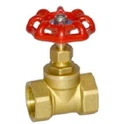
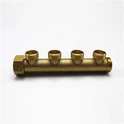
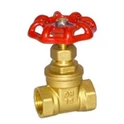
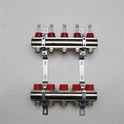
Installing brass fittings in a tight space can be a challenging yet rewarding task. As a trusted supplier of high - quality brass fittings, I've witnessed firsthand the importance of proper installation, especially in confined areas. In this blog, I'll share some expert tips and techniques to help you successfully install brass fittings in tight spaces.
Understanding the Challenges of Tight Spaces
Tight spaces present several obstacles when it comes to brass fitting installation. Limited access restricts your ability to maneuver tools and properly position the fittings. Visibility can also be poor, making it difficult to ensure a correct alignment. Additionally, the lack of space can increase the risk of damaging adjacent components or the fittings themselves during the installation process.
Pre - installation Preparation
Before you start the installation, it's crucial to conduct a thorough assessment of the tight space. Measure the area carefully to determine the exact dimensions and identify any potential obstructions. This will help you select the appropriate brass fittings for the job.
When choosing brass fittings, consider the specific requirements of your project. For example, if you're working with gas lines, you might need Pex Fitting for Gas. These fittings are designed to meet the safety and performance standards for gas applications. If you need a custom solution, Custom Brass Fittings can be fabricated to fit your unique specifications.
Gather all the necessary tools in advance. You'll typically need a pipe cutter, wrenches, a deburring tool, and sealant tape. Make sure your tools are in good condition and of the right size for the job.
Step - by - Step Installation Process
1. Prepare the Pipes
Start by cutting the pipes to the appropriate length using a pipe cutter. Ensure a clean, straight cut to facilitate a proper fit with the brass fittings. After cutting, use a deburring tool to remove any sharp edges or burrs from the inside and outside of the pipes. This will prevent leaks and damage to the fittings.
2. Apply Sealant Tape
Wrap the male threads of the pipes with sealant tape. This helps create a tight seal and prevents leaks. Start wrapping the tape in the direction of the threads, making sure to cover the threads completely. Overlap the tape slightly with each turn.
3. Insert the Fittings
Carefully insert the brass fittings onto the prepared pipes. In a tight space, this can be tricky. You may need to use long - handled tools or angled wrenches to reach the fittings. Take your time to ensure the fittings are properly aligned with the pipes. If the alignment is off, it can lead to leaks or a weak connection.
4. Tighten the Fittings
Once the fittings are inserted, use wrenches to tighten them. In a tight space, you might need to use adjustable wrenches or socket wrenches with extensions. Tighten the fittings gradually, applying even pressure. Avoid over - tightening, as this can damage the fittings or the pipes. A good rule of thumb is to tighten the fittings until they are snug, and then give them an additional quarter - turn.
5. Check for Leaks
After tightening the fittings, turn on the water or gas supply (depending on the application) and check for leaks. Look for any signs of water or gas seeping from the connections. If you detect a leak, turn off the supply immediately and re - check the fittings. You may need to loosen and re - tighten the fittings or add more sealant tape.

Special Considerations for Tight Spaces
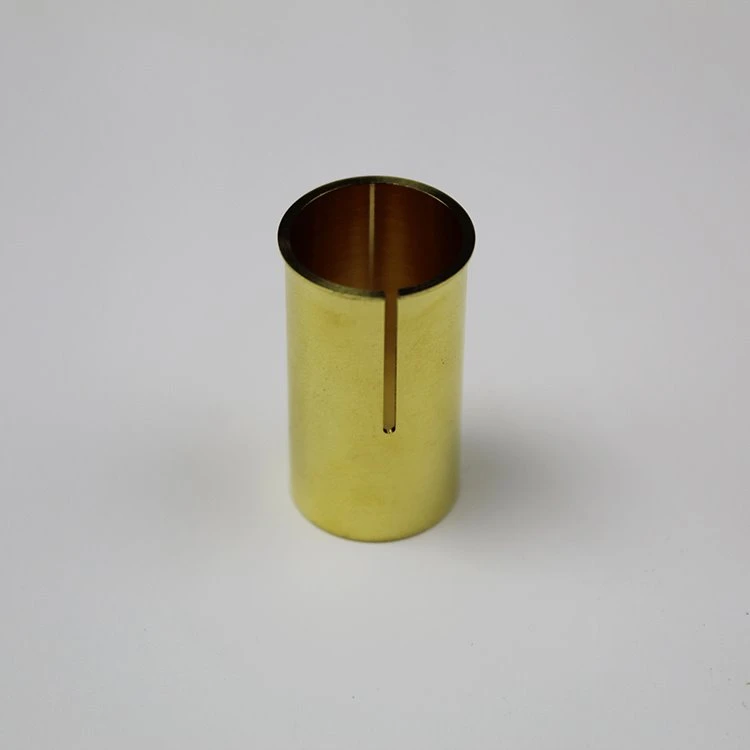
In extremely tight spaces, you may need to use specialized techniques or tools. For example, a Brass Fitting Sleeve can be a great solution. These sleeves can be used to join pipes in a confined area where traditional fittings may not fit. They provide a secure connection and are relatively easy to install.
Another option is to use flexible brass fittings. These fittings can be bent or adjusted to fit into tight corners or irregular spaces. However, make sure to choose flexible fittings that are suitable for your specific application and meet the necessary safety standards.
Safety Precautions
Safety should always be your top priority when installing brass fittings. Wear appropriate safety gear, such as safety glasses and gloves, to protect yourself from sharp edges and potential leaks. If you're working with gas lines, make sure to follow all the safety regulations and guidelines. Test the gas lines for leaks using a leak detector before using the system.
Troubleshooting Common Issues
Even with careful planning and installation, you may encounter some issues. One common problem is a leaky connection. If you notice a leak, first check the tightness of the fittings. If they are loose, tighten them further. If the leak persists, it could be due to a damaged fitting or improper sealant application. In this case, you may need to replace the fitting or re - apply the sealant tape.
Another issue is a misaligned fitting. This can cause stress on the pipes and fittings, leading to premature failure. If you find a misaligned fitting, carefully loosen it and re - position it. Make sure to check the alignment again before tightening the fitting.
Conclusion
Installing brass fittings in a tight space requires patience, precision, and the right tools. By following the steps outlined in this blog, you can ensure a successful installation. Remember to choose the appropriate brass fittings for your project, take your time during the installation process, and prioritize safety.
As a leading supplier of brass fittings, we are committed to providing you with high - quality products and expert advice. If you have any questions about brass fitting installation or need help selecting the right fittings for your project, please don't hesitate to contact us. We're here to assist you every step of the way and look forward to discussing your procurement needs.
References
- "Plumbing Handbook" by John Doe
- "Gas Fitting Installation Guide" by Jane Smith
- Industry standards and guidelines for brass fitting installation.