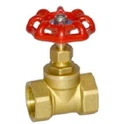
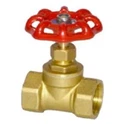
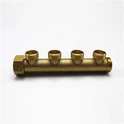
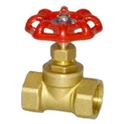
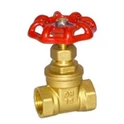
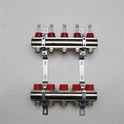
As a seasoned supplier of brass fittings, I've witnessed firsthand the diverse applications and challenges these components face in various industries. Brass fittings are renowned for their corrosion resistance, malleability, and aesthetic appeal. However, ensuring their long - term durability is crucial for both end - users and suppliers like us. In this blog, I'll share some effective strategies to improve the durability of brass fittings.

1. Material Selection and Quality Control
The foundation of durable brass fittings lies in the quality of the raw materials. Brass is an alloy primarily composed of copper and zinc, with the addition of other elements such as lead, tin, or aluminum in varying proportions. When selecting brass for fittings, it's essential to choose the right alloy composition based on the intended application.
For instance, if the fittings will be used in a marine environment, a brass alloy with a higher copper content and the addition of elements like tin (such as naval brass) is more suitable due to its excellent resistance to seawater corrosion. On the other hand, for general plumbing applications, a standard brass alloy with appropriate mechanical properties can be used.
As a supplier, we implement strict quality control measures at every stage of the manufacturing process. This includes testing the raw materials for their chemical composition and physical properties. We use advanced analytical techniques such as spectroscopy to ensure that the brass meets the required standards. Additionally, we conduct mechanical tests like tensile strength and hardness tests to verify the integrity of the material.
2. Surface Treatment
Surface treatment is another critical factor in enhancing the durability of brass fittings. A well - applied surface treatment can provide an additional layer of protection against corrosion, wear, and environmental damage.
Electroplating
Electroplating is a common surface treatment method for brass fittings. It involves depositing a thin layer of metal, such as nickel, chrome, or gold, onto the surface of the brass. Nickel plating, for example, can improve the corrosion resistance of brass and give it a more attractive appearance. Chrome plating not only enhances corrosion resistance but also provides excellent wear resistance, making it suitable for fittings that are subject to frequent contact or friction.
Passivation
Passivation is a chemical treatment process that creates a thin, protective oxide layer on the surface of the brass. This layer helps to prevent further oxidation and corrosion. After passivation, the brass fittings are more resistant to environmental factors such as moisture and chemicals.
Coating
Applying a protective coating is also an effective way to improve durability. There are various types of coatings available, such as epoxy coatings, powder coatings, and lacquers. Epoxy coatings provide excellent chemical resistance and adhesion, making them suitable for fittings used in harsh chemical environments. Powder coatings offer a durable and uniform finish, while lacquers can enhance the aesthetic appeal of the fittings and provide some protection against minor scratches and abrasions.

3. Design Optimization
The design of brass fittings can significantly impact their durability. A well - designed fitting should be able to withstand the mechanical stresses and environmental conditions it will encounter during its service life.
Wall Thickness
One of the key design considerations is the wall thickness of the fittings. A thicker wall can provide greater strength and resistance to pressure and mechanical impacts. However, it's important to balance the wall thickness with other factors such as cost and weight. In some applications, where space is limited or weight is a concern, a thinner - walled fitting may be preferred, but it should still be designed to meet the required strength and durability standards.
Thread Design
The thread design of brass fittings is also crucial. Properly designed threads ensure a secure connection and prevent leakage. The thread pitch, depth, and angle should be carefully selected based on the application and the mating components. Additionally, the surface finish of the threads can affect their performance. A smooth and accurate thread surface can reduce friction and wear, resulting in a more reliable connection.
Geometric Shape
The overall geometric shape of the fitting can influence its durability. For example, fittings with sharp corners or edges are more likely to experience stress concentration, which can lead to cracking or failure. Rounded corners and smooth transitions can distribute the stress more evenly, improving the fitting's resistance to mechanical damage.
4. Installation and Maintenance
Proper installation and maintenance are essential for maximizing the durability of brass fittings.
Installation
During installation, it's important to follow the manufacturer's instructions carefully. This includes using the correct tools and techniques to ensure a proper fit. Over - tightening or under - tightening the fittings can cause damage to the threads or the fitting itself. Additionally, proper alignment of the fittings is crucial to prevent stress concentration and leakage.
Maintenance
Regular maintenance can help to identify and address potential issues before they become major problems. This includes inspecting the fittings for signs of corrosion, wear, or damage. If any issues are detected, they should be repaired or replaced promptly. Cleaning the fittings periodically can also help to remove dirt, debris, and contaminants that can accelerate corrosion.
5. Compatibility with Other Materials
Brass fittings often need to be used in conjunction with other materials, such as pipes, valves, and gaskets. Ensuring compatibility between these materials is essential for the long - term durability of the entire system.
Galvanic Compatibility
When different metals are in contact with each other in the presence of an electrolyte (such as water), galvanic corrosion can occur. To prevent this, it's important to choose materials that are galvanically compatible. For example, when connecting brass fittings to pipes made of a different metal, a dielectric union can be used to isolate the two metals and prevent galvanic corrosion.

Chemical Compatibility
Brass fittings may come into contact with various chemicals in different applications. It's important to ensure that the brass alloy is chemically compatible with these chemicals. Some chemicals can cause corrosion or degradation of the brass, so careful consideration should be given to the chemical environment in which the fittings will be used.
Applications and Related Products
Brass fittings have a wide range of applications, from plumbing and gas systems to industrial and automotive applications. As a supplier, we offer a variety of products to meet different customer needs.
If you're looking for fittings for gas systems, our Pex Fitting for Gas is a great choice. These fittings are designed to provide a secure and reliable connection for gas pipes, ensuring safety and durability.
For customers with specific requirements, we also offer Custom Brass Fittings. Our experienced engineering team can work with you to design and manufacture fittings that meet your exact specifications.
In addition, our Brass Filter 59 - 1 is a popular product for applications where filtration is required. This filter is made of high - quality brass and provides effective filtration of contaminants, helping to protect the entire system.
Conclusion
Improving the durability of brass fittings requires a comprehensive approach that includes material selection, surface treatment, design optimization, proper installation and maintenance, and ensuring compatibility with other materials. As a supplier, we are committed to providing high - quality brass fittings that meet the highest standards of durability and performance.
If you're interested in our brass fittings or have any questions about improving their durability, we'd love to hear from you. Contact us for more information and to discuss your specific requirements. Our team of experts is ready to assist you in finding the best solutions for your needs.
References
- ASM Handbook Volume 2: Properties and Selection: Nonferrous Alloys and Special - Purpose Materials. ASM International.
- ASTM International Standards for Brass Alloys and Fittings. ASTM International.
- "Corrosion of Metals" by Uhlig, H. H., and Revie, R. W. Wiley - Interscience.