Hey there! I'm a supplier of 200 WOG Globe Valves, and I've seen my fair share of valve failures over the years. It can be a real headache when a valve suddenly goes kaput during operation, but don't worry—I'm here to walk you through how to handle it like a pro.
Understanding the 200 WOG Globe Valve
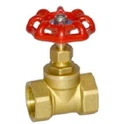
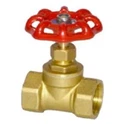
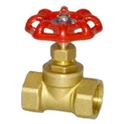
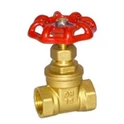
First off, let's talk a bit about what a 200 WOG Globe Valve is. The term "200 WOG" stands for 200 pounds per square inch (psi) Working Pressure for Water, Oil, and Gas. These valves are commonly used in a variety of industries to control the flow of fluids. You can check out our 200 WOG Globe Valve on our website to learn more about its features and specifications.
Signs of a Failing Valve
Before we dive into how to handle a sudden failure, it's important to know the signs that a valve might be on its way out. Some common symptoms include:


- Leakage: If you notice fluid leaking around the valve body or stem, that's a clear sign that something's wrong.
- Difficulty Turning the Handwheel: A valve that's hard to turn could indicate internal damage or a buildup of debris.
- Strange Noises: Grinding, rattling, or hissing sounds coming from the valve can be a sign of a problem.
- Inconsistent Flow: If the flow of fluid through the valve is erratic or inconsistent, it could be due to a malfunction.
Immediate Actions When a Valve Fails
When you discover that a 200 WOG Globe Valve has failed during operation, your first priority is to ensure safety. Here are the steps you should take right away:
- Shut Off the Flow: If possible, immediately shut off the flow of fluid to the valve to prevent further damage or leakage. This might involve closing upstream or downstream valves or shutting down the entire system.
- Isolate the Valve: Once the flow is stopped, isolate the failed valve from the rest of the system to prevent any potential backflow or contamination.
- Assess the Situation: Take a close look at the valve to determine the extent of the damage. Look for visible signs of wear, corrosion, or physical damage.
- Notify Relevant Personnel: Let your colleagues, supervisors, or maintenance team know about the valve failure so they can assist with the repair or replacement process.
Troubleshooting the Problem
Once you've taken the immediate steps to address the valve failure, it's time to figure out what went wrong. Here are some common causes of valve failure and how to troubleshoot them:
- Wear and Tear: Over time, the internal components of a valve can wear down due to constant use. Check the valve seat, disc, and stem for signs of wear and replace any damaged parts.
- Corrosion: Exposure to corrosive fluids or environments can cause the valve to corrode, leading to leaks or malfunction. If corrosion is the issue, you may need to replace the valve or use a corrosion-resistant coating.
- Debris or Contamination: Dirt, debris, or other contaminants can get stuck inside the valve, preventing it from operating properly. Clean the valve thoroughly and remove any obstructions.
- Improper Installation: If the valve was not installed correctly, it may not function as intended. Check the installation instructions and make sure the valve is properly aligned and tightened.
Repairing or Replacing the Valve
Depending on the severity of the damage, you may be able to repair the valve or you may need to replace it entirely. Here's what you need to know about each option:
- Repairing the Valve: If the damage is minor, such as a worn valve seat or a loose packing gland, you may be able to repair the valve yourself. However, if you're not experienced with valve repair, it's best to leave it to the professionals.
- Replacing the Valve: If the valve is severely damaged or beyond repair, you'll need to replace it with a new one. Make sure to choose a valve that is compatible with your system and meets the required specifications. You can check out our Round Handwheel Brass Globe Valve 1/2" or PPR Brass Globe Valve for suitable replacement options.
Preventing Future Valve Failures
Once you've resolved the immediate issue, it's important to take steps to prevent future valve failures. Here are some tips to keep your valves in good working condition:
- Regular Maintenance: Schedule regular maintenance checks to inspect the valves for signs of wear, corrosion, or damage. Replace any worn or damaged parts as needed.
- Proper Installation: Make sure all valves are installed correctly according to the manufacturer's instructions. Use the right tools and techniques to ensure a proper seal.
- Fluid Quality: Monitor the quality of the fluid flowing through the valves to prevent contamination and corrosion. Use filters or other purification methods if necessary.
- Training and Education: Provide training to your employees on how to operate and maintain the valves properly. Make sure they know the signs of a failing valve and how to take appropriate action.
Conclusion
Handling a sudden failure of a 200 WOG Globe Valve during operation can be a stressful situation, but with the right knowledge and approach, you can minimize the damage and get your system back up and running quickly. Remember to take the immediate steps to ensure safety, troubleshoot the problem, and decide whether to repair or replace the valve. And don't forget to take preventive measures to avoid future valve failures.
If you're in the market for high-quality 200 WOG Globe Valves or need assistance with valve repair or replacement, we're here to help. Contact us to discuss your requirements and let's work together to find the best solution for your needs.
References
- Valve Handbook, edited by J. S. T. Loveless
- Industrial Valves: Selection and Sizing, by Cameron W. Murray