Hey there! I'm a supplier of water pipe fittings, and I've seen my fair share of leaky pipe problems. A leaking water pipe fitting can be a real pain in the neck, causing water damage and running up your utility bills. But don't worry, I'm here to walk you through how to fix it step by step.
First, Identify the Problem
The first thing you gotta do is figure out where the leak is coming from. It might seem obvious, but sometimes the water can run down the pipe and make it look like the leak is somewhere else. Check all the joints and connections in the area where you see water. Look for signs of water stains, drips, or even a small puddle on the floor.
If the fitting is accessible, you can try feeling around it with your hand. A wet spot can give you a good indication of where the leak is. Sometimes, you might even hear a faint hissing sound, which is a dead giveaway that there's a leak.
Types of Water Pipe Fittings
Before we get into the fixing part, it's important to know what kind of water pipe fitting you're dealing with. The two most common types are stainless steel and copper.
- Stainless Steel Water Pipe Fittings: These are known for their durability and resistance to corrosion. They're often used in areas where the water might be a bit harsh or in industrial settings. You can check out a wide range of Stainless Steel Water Pipe Fittings on our website.
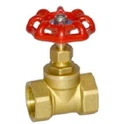
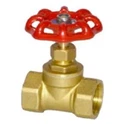
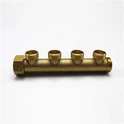
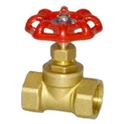
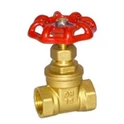
- Copper Water Pipe Fitting: Copper is a popular choice because it's easy to work with and has good heat transfer properties. It's commonly used in residential plumbing systems. You can find different styles of Copper Water Pipe Fitting on our site.
Tools You'll Need
To fix a leaking water pipe fitting, you'll need a few basic tools. Here's a quick list:
- Pipe wrench: This is used to loosen and tighten the fittings. Make sure you get the right size for your pipes.
- Adjustable pliers: These come in handy for gripping small parts.
- Pipe sealant: You can use Teflon tape or pipe dope. Teflon tape is easy to use and works well for most connections.
- Replacement parts: If the fitting is too damaged, you might need to replace it. Make sure you have the right size and type on hand.
Step-by-Step Fixing Process
Now, let's get into the actual fixing process.
Step 1: Turn Off the Water
This is crucial. You don't want water spraying everywhere while you're trying to fix the leak. Find the main water shut-off valve for your house or the specific area where the leak is. Turn it off completely.
Step 2: Drain the Pipes
Open a faucet downstream from the leak to drain any remaining water in the pipes. This will make the job a lot cleaner and easier.
Step 3: Loosen the Fitting
Use the pipe wrench to loosen the fitting. Turn it counterclockwise. Be careful not to use too much force, or you might damage the pipe. If the fitting is really tight, you can try using a little bit of penetrating oil and letting it sit for a few minutes.
Step 4: Inspect the Fitting
Once you've removed the fitting, take a close look at it. Check for any cracks, damage, or worn-out parts. If the fitting is in good condition, you might just need to clean it and apply new sealant. If it's damaged beyond repair, you'll need to replace it.
Step 5: Clean the Fitting
Use a cloth or a wire brush to clean the fitting and the pipe threads. Remove any dirt, debris, or old sealant. This will ensure a good seal when you put it back together.
Step 6: Apply Sealant
If you're using Teflon tape, wrap it around the male threads of the pipe in a clockwise direction. Make sure you cover all the threads evenly. If you're using pipe dope, apply a thin layer to the threads.
Step 7: Reinstall the Fitting
Carefully screw the fitting back onto the pipe. Turn it clockwise. Use the pipe wrench to tighten it, but don't overdo it. You just want it to be snug.


Step 8: Turn the Water Back On
Once you've reinstalled the fitting, turn the water back on. Check for any leaks. If you see a small drip, you can try tightening the fitting a little more. If the leak persists, you might need to double-check the seal or replace the fitting again.
Troubleshooting
Sometimes, things don't go as smoothly as planned. Here are some common issues and how to fix them.
- The Fitting Won't Loosen: As I mentioned earlier, you can try using penetrating oil. You can also try heating the fitting gently with a propane torch. Just be really careful not to overheat the pipe or start a fire.
- The Fitting Is Damaged Beyond Repair: If you can't fix the fitting, you'll need to replace it. Make sure you get the right size and type. You can always give us a call if you're not sure.
- The Leak Persists: If you've followed all the steps and the leak still won't stop, there might be a more serious problem. It could be a crack in the pipe or a problem with the plumbing system. In this case, it's best to call a professional plumber.
When to Call a Professional
While fixing a leaking water pipe fitting is a relatively simple DIY project, there are times when it's best to call in the pros. Here are some situations where you should consider getting professional help:
- If the leak is coming from a main water line.
- If you're not comfortable working with pipes or don't have the right tools.
- If the leak is causing significant water damage.
- If you've tried to fix the leak but it keeps coming back.
Why Choose Our Water Pipe Fittings
As a water pipe fitting supplier, we take pride in offering high-quality products. Our fittings are made from top-notch materials and are designed to last. We have a wide range of options to choose from, whether you need stainless steel, copper, or other types of fittings.
Our prices are competitive, and we offer excellent customer service. If you have any questions or need help choosing the right fitting, our team is always here to assist you.
Contact Us for Purchasing
If you're in the market for water pipe fittings, whether it's for a repair job or a new installation, we'd love to hear from you. We can help you find the right products for your needs. Don't hesitate to reach out and start a purchasing conversation with us. We're here to make your plumbing projects a success.
References
- "Plumbing for Dummies" by Richard Trethewey and Danny Lipford
- Various industry manuals and guides on water pipe fittings and repairs.