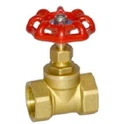
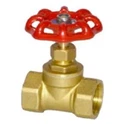
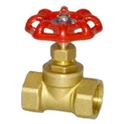
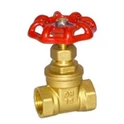
A filter ball valve is a crucial component in many fluid systems, playing a vital role in controlling the flow and filtering out impurities. Over time, however, these valves can accumulate dirt, debris, and other contaminants, which can compromise their performance and efficiency. As a trusted supplier of filter ball valves, I understand the importance of proper maintenance and cleaning to ensure the longevity and optimal operation of these essential devices. In this blog post, I will guide you through the step-by-step process of cleaning a filter ball valve, providing you with valuable insights and practical tips to keep your valve in top condition.
Understanding the Filter Ball Valve
Before we delve into the cleaning process, it's essential to have a basic understanding of how a filter ball valve works. A filter ball valve consists of a ball with a hole in the center, which rotates within a valve body to control the flow of fluid. The filter element, typically made of mesh or other porous materials, is integrated into the valve to trap impurities and prevent them from passing through the system. As fluid flows through the valve, the filter captures particles such as dirt, rust, and sediment, ensuring that only clean fluid reaches the downstream components.
Tools and Materials You'll Need
To clean a filter ball valve effectively, you'll need the following tools and materials:
- Safety Equipment: Safety glasses, gloves, and a face mask to protect yourself from any potential hazards.
- Wrenches: Appropriate wrenches to remove the valve from the pipeline. Make sure to choose the correct size to avoid damaging the valve or the pipeline.
- Cleaning Solution: A mild detergent or a specialized valve cleaning solution. Avoid using abrasive or corrosive cleaners, as they can damage the valve components.
- Brushes: Soft-bristled brushes, such as toothbrushes or pipe cleaners, to clean the valve components.
- Rags or Towels: Clean rags or towels to dry the valve components after cleaning.
- Lubricant: A food-grade lubricant to lubricate the valve components after cleaning. This helps to ensure smooth operation and prevent corrosion.
Step-by-Step Cleaning Process
Now that you have all the necessary tools and materials, let's walk through the step-by-step process of cleaning a filter ball valve:
Step 1: Shut Off the Flow
Before you start cleaning the valve, it's crucial to shut off the flow of fluid to the valve. This can be done by closing the upstream and downstream valves or by turning off the power to the pump if the system is pressurized. Make sure to relieve any pressure in the valve by opening the drain valve or a small bypass valve.


Step 2: Remove the Valve from the Pipeline
Using the appropriate wrenches, carefully remove the valve from the pipeline. Be sure to support the valve to prevent it from falling or getting damaged. Place the valve on a clean, flat surface where you can easily access all the components.
Step 3: Disassemble the Valve
Once the valve is removed from the pipeline, disassemble it by removing the valve handle, stem, and ball. Pay close attention to the orientation of the components to ensure proper reassembly later. Some valves may require the use of a special tool to remove the ball. If you're unsure how to disassemble the valve, refer to the manufacturer's instructions or consult a professional.
Step 4: Clean the Valve Components
Soak the valve components in the cleaning solution for a few minutes to loosen any dirt or debris. Use the soft-bristled brushes to gently scrub the components, paying special attention to the filter element, ball, and seat. Make sure to clean all the crevices and hard-to-reach areas. Rinse the components thoroughly with clean water to remove any remaining cleaning solution.
Step 5: Inspect the Valve Components
After cleaning the valve components, inspect them carefully for any signs of damage or wear. Look for cracks, scratches, or other defects that could affect the performance of the valve. If you notice any damage, replace the damaged components with new ones. Make sure to use genuine replacement parts to ensure compatibility and optimal performance.
Step 6: Lubricate the Valve Components
Apply a thin layer of food-grade lubricant to the valve components, including the ball, stem, and seat. This helps to ensure smooth operation and prevent corrosion. Make sure to lubricate all the moving parts, but avoid over-lubricating, as this can attract dirt and debris.
Step 7: Reassemble the Valve
Once the valve components are clean, dry, and lubricated, reassemble the valve in the reverse order of disassembly. Make sure to align the components correctly and tighten the bolts or nuts to the recommended torque specifications. Refer to the manufacturer's instructions for the proper torque values.
Step 8: Install the Valve in the Pipeline
Carefully install the valve back into the pipeline, making sure to align it correctly with the pipeline flanges. Use new gaskets or seals to ensure a proper seal. Tighten the bolts or nuts evenly to prevent leaks.
Step 9: Test the Valve
After installing the valve, turn on the flow of fluid to the valve and check for any leaks. Open and close the valve several times to ensure smooth operation. Monitor the system for a few minutes to make sure the valve is functioning properly.
Tips for Maintaining Your Filter Ball Valve
In addition to regular cleaning, here are some tips to help you maintain your filter ball valve and ensure its optimal performance:
- Inspect the Valve Regularly: Conduct regular visual inspections of the valve to check for any signs of damage or wear. Look for leaks, cracks, or other defects that could affect the performance of the valve.
- Replace the Filter Element: Replace the filter element at regular intervals to ensure efficient filtration. The frequency of replacement depends on the operating conditions and the type of fluid being filtered.
- Use the Right Lubricant: Use a food-grade lubricant that is compatible with the valve materials. Avoid using lubricants that contain silicone or other substances that can damage the valve components.
- Follow the Manufacturer's Instructions: Always follow the manufacturer's instructions for installation, operation, and maintenance of the valve. This helps to ensure the proper functioning of the valve and prevent any potential problems.
Conclusion
Cleaning a filter ball valve is a relatively simple process that can significantly extend the lifespan and improve the performance of the valve. By following the step-by-step guide outlined in this blog post and implementing the maintenance tips, you can keep your filter ball valve in top condition and ensure the efficient operation of your fluid system.
As a leading supplier of filter ball valves, we offer a wide range of high-quality valves to meet your specific needs. Our valves are made from premium materials and are designed to provide reliable and efficient performance. Whether you're looking for Ball Union Valves, PPR Nickel Plated Ball Valve, or Aluminum-Plastic Tube Ball Valve, we have the right solution for you.
If you have any questions or need further assistance with cleaning or maintaining your filter ball valve, or if you're interested in purchasing a new valve, please don't hesitate to contact us. Our team of experts is always ready to help you find the best solution for your application.
References
- Manufacturer's manuals and instructions for filter ball valves.
- Industry standards and best practices for valve maintenance and cleaning.