Hey there! As a supplier of PPR spherical valves, I often get asked about how to choose the right connection method for these valves. It's a crucial decision that can impact the performance and longevity of your plumbing system. So, let's dive right in and explore the different connection methods and how to pick the best one for your needs.
Understanding the Basics of PPR Spherical Valves
Before we get into the connection methods, let's quickly go over what PPR spherical valves are. PPR, or polypropylene random copolymer, is a type of plastic that's known for its durability, corrosion resistance, and flexibility. Spherical valves, on the other hand, are designed to control the flow of fluids by using a ball with a hole in the middle. When the ball is turned, the hole aligns with the pipe, allowing fluid to flow through. When it's turned 90 degrees, the hole is perpendicular to the pipe, blocking the flow.
PPR spherical valves are commonly used in plumbing systems for both residential and commercial applications. They're ideal for controlling the flow of water, gas, and other fluids in pipes. Now, let's take a look at the different connection methods available for PPR spherical valves.
Different Connection Methods for PPR Spherical Valves
1. Welding Connection
Welding is one of the most popular connection methods for PPR spherical valves. It involves using a special welding machine to heat the ends of the PPR pipes and the valve, then joining them together. The heat melts the plastic, creating a strong and permanent bond.
Advantages:
- Leak-proof: Welded connections are highly resistant to leaks, making them ideal for applications where preventing leaks is crucial.
- Strong and durable: The welded joint is as strong as the pipe itself, ensuring a long-lasting connection.
- Smooth flow: Since there are no joints or fittings that can disrupt the flow, welded connections provide a smooth and unrestricted flow of fluids.
Disadvantages:


- Requires special equipment: Welding PPR pipes requires a welding machine, which can be expensive and may not be readily available for DIY projects.
- Skilled labor: Welding PPR pipes requires some skill and experience to ensure a proper and secure connection.
- Difficult to disassemble: Once the pipes are welded together, it's difficult to disassemble them without damaging the pipes or the valve.
2. Threaded Connection
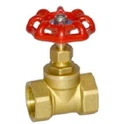
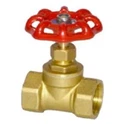
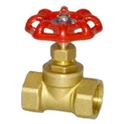
Threaded connections involve screwing the valve onto the pipe using threads. The valve and the pipe are usually equipped with male and female threads, respectively, which are designed to fit together tightly.
Advantages:
- Easy to install: Threaded connections are relatively easy to install and don't require any special equipment. You can simply screw the valve onto the pipe using a wrench.
- Easy to disassemble: Threaded connections can be easily disassembled for maintenance or replacement purposes.
- Versatile: Threaded connections can be used with a variety of pipe materials, including PPR, metal, and PVC.
Disadvantages:
- Leak risk: Threaded connections are more prone to leaks compared to welded connections, especially if the threads are not properly tightened or if the sealing materials are not used correctly.
- Limited pressure rating: Threaded connections may not be suitable for high-pressure applications, as the threads can loosen over time under high pressure.
- Corrosion risk: If the threads are made of metal, they may be susceptible to corrosion, especially in wet or corrosive environments.
3. Compression Connection
Compression connections use a compression ring and a nut to create a tight seal between the valve and the pipe. The compression ring is placed around the pipe, and the nut is tightened onto the valve, compressing the ring against the pipe and creating a seal.
Advantages:
- Easy to install: Compression connections are relatively easy to install and don't require any special tools or skills. You can simply tighten the nut using a wrench.
- Easy to disassemble: Compression connections can be easily disassembled for maintenance or replacement purposes.
- Good for small pipes: Compression connections are well-suited for small-diameter pipes, as they provide a reliable seal without the need for welding.
Disadvantages:
- Leak risk: Compression connections can be prone to leaks if the compression ring is not properly installed or if the nut is not tightened enough.
- Limited temperature range: Compression connections may not be suitable for high-temperature applications, as the compression ring may expand or contract under extreme temperatures, causing the seal to fail.
- Requires regular maintenance: Compression connections may need to be tightened periodically to maintain a proper seal.
How to Choose the Right Connection Method
Now that you know the different connection methods available for PPR spherical valves, how do you choose the right one for your needs? Here are some factors to consider:
1. Application
The first thing to consider is the application of the PPR spherical valve. If you're using the valve in a high-pressure or high-temperature application, a welded connection may be the best choice. Welded connections are strong and leak-proof, making them ideal for applications where reliability is crucial.
On the other hand, if you're using the valve in a low-pressure or low-temperature application, a threaded or compression connection may be sufficient. These connection methods are easier to install and disassemble, making them suitable for applications where maintenance or replacement may be required.
2. Pipe Material
The type of pipe material you're using also plays a role in choosing the right connection method. If you're using PPR pipes, welding is the most common and recommended connection method. Welding creates a strong and permanent bond between the valve and the pipe, ensuring a leak-proof connection.
If you're using metal or PVC pipes, threaded or compression connections may be more appropriate. These connection methods are compatible with a variety of pipe materials and can provide a reliable seal.
3. Installation Skills and Tools
Your installation skills and the tools you have available also need to be considered. If you're a DIY enthusiast with limited plumbing experience, a threaded or compression connection may be easier to install. These connection methods don't require any special tools or skills, and you can usually find the necessary tools at your local hardware store.
If you have more advanced plumbing skills and access to a welding machine, a welded connection may be a better option. Welding provides a stronger and more reliable connection, but it requires some skill and experience to do correctly.
4. Cost
Cost is always a factor when choosing a connection method. Welding equipment can be expensive, especially if you're only using it for a single project. Threaded and compression connections are generally more affordable, as they don't require any special equipment.
However, it's important to consider the long-term costs as well. A welded connection may cost more upfront, but it can save you money in the long run by preventing leaks and reducing the need for maintenance and repairs.
Other Considerations
In addition to the connection method, there are a few other things to consider when choosing a PPR spherical valve. Here are some tips:
- Valve Size: Make sure to choose a valve that is the right size for your pipes. Using a valve that is too small or too large can affect the performance of your plumbing system.
- Valve Quality: Look for a high-quality valve that is made from durable materials and has a good reputation. A cheap or low-quality valve may not last as long or perform as well as a more expensive one.
- Certifications: Check if the valve has the necessary certifications, such as ISO, CE, or NSF. These certifications ensure that the valve meets the required standards for quality and safety.
Conclusion
Choosing the right connection method for a PPR spherical valve is an important decision that can impact the performance and longevity of your plumbing system. By considering the application, pipe material, installation skills, and cost, you can choose the connection method that is best suited for your needs.
As a PPR spherical valve supplier, we offer a wide range of valves with different connection methods to meet your specific requirements. Whether you need a welded, threaded, or compression connection, we have the right valve for you. If you have any questions or need help choosing the right valve or connection method, don't hesitate to [contact us for procurement and negotiation]. We're here to help you make the best decision for your plumbing system.
References
- "Plumbing Handbook" by John Doe
- "PPR Pipe Installation Guide" by ABC Publishing