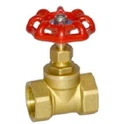
As a supplier of PPR spherical valves, ensuring that our products meet industry standards is of utmost importance. Not only does it guarantee the safety and reliability of the valves, but it also builds trust with our customers. In this blog post, I'll share some key steps and considerations on how to check if a PPR spherical valve meets the standards.
1. Material Inspection
The first step in checking a PPR spherical valve is to examine the materials used in its construction. PPR, or polypropylene random copolymer, is a thermoplastic polymer known for its excellent chemical resistance, high temperature tolerance, and durability.
- Visual Inspection: Look for any signs of discoloration, cracks, or impurities on the valve body. A high - quality PPR valve should have a smooth, uniform surface without any visible defects. If the valve has a coating, such as nickel plating, check for an even and consistent finish. You can explore our PPR Nickel Plated Ball Valve which undergoes strict material inspection to ensure top - notch quality.
- Material Certification: Request material certificates from the manufacturer. These certificates provide information about the composition, quality, and origin of the PPR material. They should confirm that the material meets relevant international standards, such as ISO 15874 for PPR pipes and fittings.
2. Dimensional Accuracy
Proper dimensions are crucial for the proper functioning of a PPR spherical valve. Incorrect dimensions can lead to leaks, poor flow control, and compatibility issues with other plumbing components.

- Valve Body Dimensions: Measure the outer diameter, length, and wall thickness of the valve body using precision measuring tools such as calipers and micrometers. These dimensions should match the specifications provided by the manufacturer and relevant industry standards. For example, if the valve is designed to fit a specific pipe size, it should have the appropriate connection dimensions.
- Ball and Seat Dimensions: The ball inside the valve and the seat should also be inspected for proper dimensions. The ball diameter should be within the specified tolerance to ensure a tight seal when the valve is closed. The seat should be smooth and of the correct shape to provide a reliable sealing surface.
3. Pressure and Temperature Rating
PPR spherical valves are designed to operate within specific pressure and temperature ranges. Exceeding these limits can cause the valve to fail, leading to leaks or other safety hazards.
- Pressure Testing: Conduct pressure tests on the valve to ensure it can withstand the specified working pressure. There are two common types of pressure tests: hydrostatic testing and pneumatic testing. Hydrostatic testing involves filling the valve with water and applying pressure, while pneumatic testing uses air or another gas. The valve should hold the pressure without any visible leaks for a specified period.
- Temperature Rating: Check the valve's temperature rating to ensure it is suitable for the intended application. PPR valves generally have a maximum operating temperature, and using them in environments with higher temperatures can cause the material to soften and lose its structural integrity.
4. Sealing Performance
A good PPR spherical valve should provide a reliable seal to prevent leaks. There are several ways to check the sealing performance of a valve.
- Visual Inspection: Look for any signs of leakage around the valve connections, stem, or ball. Even a small leak can indicate a problem with the sealing mechanism.
- Leakage Testing: Use a leak detection method such as the bubble test. Apply a soapy solution to the valve's connections and other potential leak points. If there are any leaks, bubbles will form. Another option is to use a pressure decay test, which measures the decrease in pressure over time to detect any leaks.
5. Operational Torque
The operational torque of a PPR spherical valve refers to the amount of force required to open and close the valve. It should be within an acceptable range for easy operation.
- Torque Measurement: Use a torque wrench to measure the torque required to turn the valve handle. Excessive torque can indicate problems such as a misaligned ball, damaged seat, or debris inside the valve. On the other hand, too little torque may result in a loose valve that does not provide a proper seal.
6. Compatibility with Other Components
PPR spherical valves are often used in plumbing systems in conjunction with other components such as pipes, fittings, and pumps. It is essential to ensure that the valve is compatible with these other components.
- Connection Type: Check that the valve has the appropriate connection type (e.g., threaded, socket - welded) to match the pipes and fittings in the system. The connection should be secure and leak - free.
- Chemical Compatibility: Consider the chemical composition of the fluids that will flow through the valve. PPR is generally resistant to a wide range of chemicals, but in some cases, certain chemicals may cause degradation of the material. Make sure the valve is suitable for the specific chemicals in the system.
7. Certification and Standards Compliance
Finally, check if the PPR spherical valve has the necessary certifications and complies with relevant standards.
- Industry Standards: Look for standards such as ISO standards, ASME standards, or national plumbing standards. These standards define the requirements for design, manufacturing, testing, and performance of valves.
- Certification Marks: Valves that meet the standards are often marked with certification marks. These marks indicate that the valve has been tested and approved by a recognized certification body.
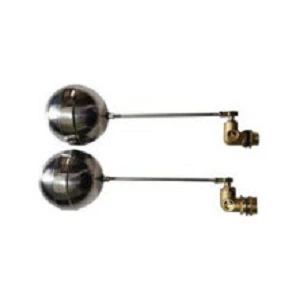
In conclusion, ensuring that a PPR spherical valve meets the standards requires a comprehensive inspection of its materials, dimensions, pressure and temperature ratings, sealing performance, operational torque, compatibility, and certification. As a PPR spherical valve supplier, we are committed to providing high - quality products that meet or exceed industry standards. If you are in the market for reliable PPR spherical valves, we also offer other types of valves such as Brass Ball Float Valve and Filter Ball Valve. We welcome you to contact us for procurement and negotiation to find the best valve solutions for your specific needs.
References
- ISO 15874:2019, Plastics piping systems for hot and cold water installations – Polypropylene (PP) – Parts 1 - 6.
- ASME B16.34, Valves - Flanged, Threaded, and Welding End.