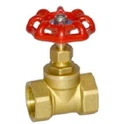
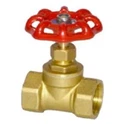
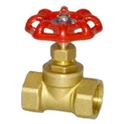
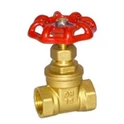
Hey there! As a supplier of Filter Ball Valves, I often get asked about how often these valves should be back-flushed. It's a crucial question because proper back-flushing not only ensures the efficient operation of the valve but also extends its lifespan. In this blog, I'll share some insights on this topic based on my experience in the industry.
Understanding Filter Ball Valves
Before we dive into the back-flushing frequency, let's quickly go over what a Filter Ball Valve is. A Filter Ball Valve is a type of valve that combines the functionality of a filter and a ball valve. It's used to control the flow of fluids while also filtering out impurities. These valves are commonly used in various industries, including water treatment, chemical processing, and oil and gas.
The filter part of the valve traps particles and debris, preventing them from entering the system. Over time, however, these particles can build up and clog the filter, reducing the valve's efficiency. That's where back-flushing comes in. Back-flushing is the process of reversing the flow of fluid through the valve to remove the accumulated debris from the filter.
Factors Affecting Back-Flushing Frequency
There isn't a one-size-fits-all answer to how often a Filter Ball Valve should be back-flushed. Several factors come into play, and we need to consider them all to determine the optimal back-flushing schedule.
1. Quality of the Fluid
The quality of the fluid flowing through the valve is one of the most significant factors. If the fluid contains a high concentration of particles or debris, the filter will clog up more quickly, and you'll need to back-flush the valve more frequently. For example, in a water treatment plant where the incoming water is turbid, the Filter Ball Valve may need to be back-flushed daily or even multiple times a day. On the other hand, if the fluid is relatively clean, such as in a closed-loop cooling system, the back-flushing frequency can be much lower, perhaps once a week or even less.
2. Flow Rate
The flow rate of the fluid also affects the back-flushing frequency. A higher flow rate means more fluid passes through the valve in a given time, which can cause the filter to accumulate debris faster. If your system has a high flow rate, you may need to back-flush the valve more often to prevent clogging.
3. Size of the Filter
The size of the filter in the Filter Ball Valve matters too. A larger filter has a greater surface area, which means it can hold more debris before it gets clogged. So, valves with larger filters generally require less frequent back-flushing compared to those with smaller filters.
4. Operating Conditions
The operating conditions of the system can also impact the back-flushing frequency. For instance, if the valve is operating in a harsh environment with high temperatures, high pressures, or corrosive fluids, the filter may deteriorate more quickly, and you'll need to back-flush it more often.
General Guidelines for Back-Flushing Frequency
Based on the factors mentioned above, here are some general guidelines for back-flushing frequency:
1. Low-Contaminant Fluids
If the fluid is relatively clean, with a low concentration of particles or debris, you can typically back-flush the Filter Ball Valve once a month or even less frequently. This is common in systems where the fluid is recirculated, such as in some industrial cooling systems.
2. Moderately Contaminated Fluids
For fluids with a moderate amount of contaminants, a back-flushing schedule of once a week is usually appropriate. This could be the case in a water distribution system where the water has been pre-treated but still contains some small particles.


3. Highly Contaminated Fluids
When dealing with highly contaminated fluids, you may need to back-flush the valve daily or multiple times a day. Industries such as mining or wastewater treatment often fall into this category, where the fluid contains a large amount of sediment, solids, or other impurities.
Monitoring and Adjusting the Back-Flushing Schedule
While these general guidelines are a good starting point, it's essential to monitor the performance of the Filter Ball Valve regularly and adjust the back-flushing schedule as needed. You can do this by checking the pressure drop across the valve. An increase in pressure drop indicates that the filter is becoming clogged and needs to be back-flushed.
Another way to monitor the valve is to visually inspect the filter. If you notice a significant amount of debris on the filter, it's a sign that you may need to increase the back-flushing frequency.
Our Product Range
As a Filter Ball Valve supplier, we offer a wide range of valves to meet different needs. In addition to our standard Filter Ball Valves, we also have PPR Spherical Valve, Right Angle Ball Valve 1/2", and Brass Ball Float Valve. These valves are designed with high-quality materials and advanced manufacturing techniques to ensure reliable performance and long service life.
Contact Us for Your Valve Needs
If you're in the market for a Filter Ball Valve or any of our other valve products, don't hesitate to get in touch. We have a team of experts who can help you choose the right valve for your application and provide you with detailed information on back-flushing and maintenance. Whether you're a small business or a large industrial enterprise, we're here to meet your valve requirements.
References
- Valves Handbook: A Guide to Valve Selection, Operation, and Maintenance.
- Industrial Fluid Systems: Design and Operation Principles.