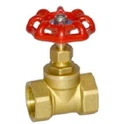
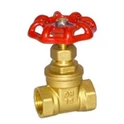
The weight of a filter ball valve is a critical factor that significantly influences its installation process. As a reputable filter ball valve supplier, I have witnessed firsthand how the weight of these valves can pose various challenges and opportunities during the installation phase. In this blog post, I will delve into the intricate relationship between the weight of a filter ball valve and its installation, providing valuable insights for professionals and enthusiasts alike.
Understanding the Basics of Filter Ball Valves
Before we explore the impact of weight on installation, it is essential to understand the fundamental aspects of filter ball valves. These valves are designed to control the flow of fluids by using a spherical disc with a hole in the middle. When the valve is open, the hole aligns with the pipeline, allowing the fluid to pass through. Conversely, when the valve is closed, the spherical disc rotates to block the flow. Filter ball valves are commonly used in a wide range of industries, including oil and gas, water treatment, and chemical processing, due to their excellent sealing performance and durability.
The Impact of Weight on Handling and Transportation
One of the most immediate effects of the weight of a filter ball valve is on its handling and transportation. Heavier valves require more manpower and specialized equipment to move and install. For instance, a large - scale industrial filter ball valve can weigh several hundred pounds or even more. Moving such a heavy valve from the storage area to the installation site can be a logistical challenge. It may require the use of forklifts, cranes, or other heavy - duty lifting equipment.
Moreover, the weight of the valve also affects its transportation. Heavier valves may require larger and more robust shipping containers, which can increase the overall shipping costs. In addition, the weight distribution of the valve within the container needs to be carefully considered to ensure safe transportation. Uneven weight distribution can lead to instability during transit, potentially causing damage to the valve.
Structural Considerations During Installation
The weight of a filter ball valve also has a significant impact on the structural requirements of the installation site. When installing a heavy valve, the supporting structure must be able to bear the weight of the valve and any additional loads, such as the pressure of the fluid flowing through the pipeline. For example, if a filter ball valve is installed on a wall - mounted pipeline, the wall must be strong enough to support the valve's weight. In some cases, additional bracing or reinforcement may be required to ensure the stability of the installation.
Similarly, when installing a valve on a pipeline that is supported by a frame or a stand, the frame or stand must be designed to handle the weight. The material and dimensions of the supporting structure need to be carefully calculated based on the weight of the valve and the expected loads. Failure to provide adequate structural support can lead to sagging, misalignment, or even collapse of the pipeline, which can result in costly repairs and downtime.
Alignment and Sealing
Proper alignment is crucial for the efficient operation of a filter ball valve. The weight of the valve can make it more difficult to achieve and maintain the correct alignment during installation. Heavier valves are more prone to shifting and settling, which can cause misalignment between the valve and the pipeline. Misalignment can lead to leaks, reduced flow capacity, and premature wear of the valve components.
In addition, the weight of the valve can also affect the sealing performance. When a valve is not properly installed due to its weight, the sealing surfaces may not come into full contact, resulting in leakage. Ensuring a proper seal is essential for preventing fluid loss, maintaining system efficiency, and preventing environmental contamination. To overcome these challenges, precise installation techniques and tools, such as alignment jigs and torque wrenches, may be required.


Installation Time and Labor Costs
The weight of a filter ball valve can also have a direct impact on the installation time and labor costs. Installing a heavy valve typically takes longer than installing a lighter one. The additional time is mainly due to the need for careful handling, alignment, and structural support. More labor is also required to move and install the valve, which increases the labor costs.
For example, a team of experienced technicians may take several hours or even days to install a large, heavy filter ball valve, depending on the complexity of the installation. This extended installation time can disrupt the normal operation of the facility, leading to additional costs associated with downtime.
Weight - Related Safety Concerns
Safety is a top priority during the installation of filter ball valves. The weight of the valve presents several safety risks. Workers involved in the installation process are at risk of injuries from lifting heavy objects, such as back strains and muscle injuries. In addition, if the valve is not properly secured during installation, it can fall or shift, posing a danger to the workers and the surrounding equipment.
To mitigate these risks, proper safety protocols must be followed. Workers should be trained in the correct lifting techniques and the use of safety equipment, such as personal protective equipment (PPE) and fall - protection devices. The installation site should also be properly secured to prevent unauthorized access and to ensure the safety of the workers.
Lightweight Alternatives and Their Advantages
In some cases, lightweight filter ball valves can be a viable alternative. These valves are typically made from materials such as plastic or composite materials, which offer a significant weight reduction compared to traditional metal valves. Lightweight valves are easier to handle and install, requiring less manpower and equipment. They also have a lower impact on the structural requirements of the installation site, reducing the need for additional reinforcement.
Moreover, lightweight valves can be more cost - effective in terms of transportation and installation. They can be shipped more easily and at a lower cost, and the installation time and labor costs are also reduced. However, it is important to note that lightweight valves may not be suitable for all applications, especially those that require high - pressure or high - temperature resistance.
Conclusion
In conclusion, the weight of a filter ball valve has a profound impact on its installation. From handling and transportation to structural considerations, alignment, and safety, every aspect of the installation process is affected by the weight of the valve. As a filter ball valve supplier, we understand the importance of providing our customers with valves that are not only of high quality but also suitable for their specific installation requirements.
If you are in the market for a filter ball valve, whether it is a Fire Reel Ball Valve, a PPR Spherical Valve, or an [Iron Handle Ball Valve 1/2"] (/brass-valve/brass-ball-valve/iron-handle-ball-valve-1-2.html), we are here to assist you. Our team of experts can help you select the right valve based on your application, taking into account the weight and other factors. We encourage you to contact us for a detailed discussion about your requirements and to explore the possibilities of a successful installation.
References
- "Valve Handbook" by E. Richard Henry
- "Pipeline Design and Construction: A Practical Approach" by William A. Lyons
- "Engineering Materials and Their Applications" by Lawrence G. Mitchell