Hey there! As a supplier of Duplex Valves, I've been in the valve game for quite some time. One question that comes up a lot is, "How does the stem material affect the operation of a duplex valve?" Well, let's dive right in and break it down.
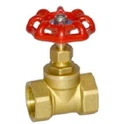
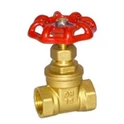
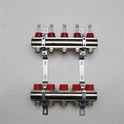
First off, let's talk a bit about what a Duplex Valve is. A duplex valve is a type of valve that's commonly used in heating systems. It allows for the control of the flow of fluid, like water or steam, in a more efficient way. It's often used in combination with a Manual Radiator Valve to regulate the temperature in a room.
Now, the stem of a valve is a crucial part. It's the component that connects the handwheel or actuator to the valve disc. When you turn the handwheel, the stem moves up or down, which in turn opens or closes the valve. The material of the stem can have a big impact on how well the valve operates.


One of the most common stem materials is stainless steel. Stainless steel is a popular choice because it's strong, corrosion - resistant, and relatively inexpensive. In a duplex valve, a stainless - steel stem can handle high pressures and temperatures without deforming. This means that the valve can open and close smoothly over a long period of time. For example, in a heating system where hot water is flowing at high pressures, a stainless - steel stem will maintain its shape and function properly. It won't rust or corrode, even when exposed to moisture, which is a common problem in heating systems.
Another advantage of a stainless - steel stem is its durability. It can withstand a lot of wear and tear from repeated use. When you're constantly opening and closing the duplex valve to adjust the flow of fluid, the stem needs to be able to handle the mechanical stress. Stainless steel has a high tensile strength, which means it can resist breaking or bending under pressure.
However, stainless steel isn't perfect. In some extremely corrosive environments, even stainless steel can start to corrode over time. For instance, if the fluid flowing through the valve contains high levels of chloride ions, the stainless - steel stem may develop pitting corrosion. This can weaken the stem and eventually lead to valve failure.
Brass is another material that's used for valve stems. Brass is a copper - zinc alloy, and it has some unique properties. It's a soft material, which means it can be easily machined into the desired shape. This makes it a cost - effective option for manufacturing valve stems.
Brass also has good thermal conductivity. In a duplex valve used in a heating system, this can be an advantage. The stem can quickly transfer heat, which helps in maintaining a stable temperature within the valve. It also has a nice aesthetic appeal, which might be important if the valve is visible in a building.
But brass has its drawbacks too. It's not as strong as stainless steel. In high - pressure applications, a brass stem may deform or break more easily. Also, brass can react with certain chemicals in the fluid. If the water in the heating system has a high pH level or contains sulfur compounds, the brass stem may corrode and form a greenish - blue patina. This corrosion can affect the smooth operation of the valve and may even cause the stem to seize up.
For more demanding applications, materials like titanium can be used for the stem. Titanium is an extremely strong and lightweight metal. It has excellent corrosion resistance, even in highly corrosive environments. In a duplex valve used in a chemical processing plant, where the fluid may be highly acidic or alkaline, a titanium stem would be a great choice.
Titanium also has a high melting point, which means it can handle very high temperatures without losing its strength. However, the main downside of titanium is its cost. It's much more expensive than stainless steel or brass, which makes it less practical for general - purpose applications.
The surface finish of the stem also plays an important role in the operation of the duplex valve. A smooth surface finish reduces friction between the stem and the valve packing. When you turn the handwheel to open or close the valve, less friction means that the operation is easier and more precise. For example, if the stem has a rough surface, it can cause the packing to wear out faster, leading to leaks.
The stem material also affects the compatibility with the valve body and other components. For example, if the valve body is made of brass and the stem is made of stainless steel, there could be a problem with galvanic corrosion. Galvanic corrosion occurs when two different metals are in contact with each other in the presence of an electrolyte (like water). The more active metal (in this case, brass) will corrode at an accelerated rate. To prevent this, proper insulation or the use of a compatible coating on the stem can be used.
In addition to the material itself, the design of the stem is also related to its performance. The diameter of the stem is important. A thicker stem can handle more torque and pressure. In a large - scale duplex valve used in an industrial heating system, a thicker stem is often required to ensure that the valve can open and close properly under high loads.
The thread design on the stem is also crucial. The threads need to be precise and well - formed. If the threads are too loose, the valve may not close tightly, leading to leaks. On the other hand, if the threads are too tight, it can be difficult to turn the handwheel, and the stem may be damaged during operation.
When it comes to choosing the right stem material for a duplex valve, you need to consider several factors. First, think about the operating conditions. What's the pressure and temperature of the fluid? Is the environment corrosive? If you're using the valve in a residential heating system, stainless steel or brass may be sufficient. But if it's for an industrial application with harsh conditions, titanium or a special alloy might be necessary.
You also need to consider the cost. As I mentioned earlier, titanium is very expensive, so it may not be the best choice if you're on a tight budget. However, if the cost of valve failure is high, investing in a more expensive but reliable stem material might be worth it.
In conclusion, the stem material has a significant impact on the operation of a duplex valve. The right material can ensure smooth operation, long - term durability, and reliable performance. Whether it's stainless steel for its strength and corrosion resistance, brass for its machinability and thermal conductivity, or titanium for its extreme durability in harsh environments, each material has its pros and cons.
If you're in the market for a duplex valve or have questions about stem materials and valve performance, don't hesitate to reach out. We're here to help you choose the best valve for your specific needs. Whether it's for a small residential heating system or a large - scale industrial application, we can provide you with the right solution. Let's have a chat and figure out the perfect duplex valve for you!
References:
- Valve Handbook, edited by A. W. Leishear
- Corrosion Resistance of Metals and Alloys, by R. Winston Revie