As a supplier of Duplex Valves, I've witnessed firsthand the crucial role that packing materials play in the sealing performance of these essential components. In this blog, I'll delve into the intricate relationship between packing materials and the sealing of duplex valves, exploring how different materials can impact their functionality, durability, and overall efficiency.
Understanding the Basics of Duplex Valves
Before we dive into the role of packing materials, let's briefly review what duplex valves are and how they work. Duplex valves are a type of valve commonly used in heating systems, particularly in radiators. They are designed to control the flow of hot water or steam into the radiator, allowing users to adjust the temperature and heat output as needed.
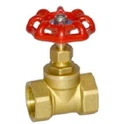
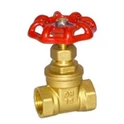
The duplex valve consists of two main parts: the valve body and the valve stem. The valve body houses the internal components of the valve, including the seat and the disc, which control the flow of fluid. The valve stem is connected to the disc and extends outside the valve body, allowing the user to operate the valve manually or with the help of a thermostat.
The Importance of Sealing in Duplex Valves
Sealing is a critical aspect of duplex valve performance. A proper seal ensures that the valve can effectively control the flow of fluid, preventing leaks and maintaining the desired temperature in the heating system. A leaky valve not only reduces the efficiency of the heating system but can also lead to water damage, mold growth, and other issues.
The sealing of a duplex valve is primarily achieved through the use of packing materials. These materials are placed around the valve stem to create a barrier between the inside of the valve and the outside environment, preventing fluid from leaking out. The choice of packing material can have a significant impact on the sealing performance of the valve, as well as its durability and resistance to wear and tear.
Types of Packing Materials
There are several types of packing materials commonly used in duplex valves, each with its own unique properties and characteristics. Some of the most popular packing materials include:
- Graphite Packing: Graphite packing is a widely used packing material known for its excellent heat resistance, chemical resistance, and lubricating properties. It is suitable for high-temperature applications and can withstand a wide range of pressures. Graphite packing is also relatively easy to install and maintain, making it a popular choice for many duplex valve applications.
- PTFE Packing: PTFE (polytetrafluoroethylene) packing is another common packing material used in duplex valves. It is known for its low friction coefficient, excellent chemical resistance, and high-temperature resistance. PTFE packing is also very flexible and can conform to irregular surfaces, making it ideal for sealing applications where a tight seal is required.
- Fiberglass Packing: Fiberglass packing is a strong and durable packing material that is resistant to heat, chemicals, and abrasion. It is commonly used in high-pressure applications and can withstand temperatures up to 500°C. Fiberglass packing is also relatively inexpensive and easy to install, making it a cost-effective choice for many duplex valve applications.
- Asbestos Packing: Asbestos packing was once a popular packing material used in duplex valves, but it has since been phased out due to its health hazards. Asbestos is a known carcinogen, and exposure to asbestos fibers can cause serious health problems, including lung cancer, mesothelioma, and asbestosis. If you have an older duplex valve that uses asbestos packing, it is important to have it replaced with a safer alternative as soon as possible.
How Packing Materials Affect Sealing
The choice of packing material can have a significant impact on the sealing performance of a duplex valve. Here are some of the ways that packing materials can affect sealing:
- Compression: The packing material must be compressed properly to create a tight seal around the valve stem. If the packing material is not compressed enough, it may not be able to prevent fluid from leaking out. On the other hand, if the packing material is compressed too much, it can cause excessive friction and wear on the valve stem, leading to premature failure.
- Resilience: The packing material must be resilient enough to maintain its shape and sealing properties over time. If the packing material loses its resilience, it may not be able to create a tight seal around the valve stem, leading to leaks.
- Chemical Resistance: The packing material must be resistant to the chemicals and fluids that it will come into contact with. If the packing material is not chemically resistant, it may be damaged by the chemicals and fluids, leading to leaks and other issues.
- Temperature Resistance: The packing material must be able to withstand the temperatures that it will be exposed to. If the packing material is not temperature resistant, it may melt or degrade, leading to leaks and other issues.
Choosing the Right Packing Material
When choosing a packing material for a duplex valve, it is important to consider several factors, including the application, the operating conditions, and the budget. Here are some tips to help you choose the right packing material:


- Consider the Application: The type of application will determine the specific requirements of the packing material. For example, if the duplex valve is used in a high-temperature application, you will need a packing material that can withstand high temperatures. If the duplex valve is used in a chemical processing application, you will need a packing material that is resistant to chemicals.
- Evaluate the Operating Conditions: The operating conditions, such as the pressure, temperature, and flow rate, will also affect the choice of packing material. For example, if the duplex valve is operating at high pressure, you will need a packing material that can withstand high pressures. If the duplex valve is operating at high temperature, you will need a packing material that can withstand high temperatures.
- Consider the Budget: The cost of the packing material is also an important factor to consider. While some packing materials may be more expensive than others, they may also offer better performance and durability. It is important to balance the cost of the packing material with its performance and durability to ensure that you are getting the best value for your money.
Conclusion
In conclusion, the packing material plays a crucial role in the sealing performance of a duplex valve. The choice of packing material can have a significant impact on the functionality, durability, and overall efficiency of the valve. By understanding the different types of packing materials available and how they affect sealing, you can choose the right packing material for your duplex valve application.
If you are in the market for a Duplex Valve, or if you need help choosing the right packing material for your existing valve, please don't hesitate to contact us. We are a leading supplier of high-quality duplex valves and can provide you with the expertise and support you need to make the right choice.
We also offer a wide range of Manual Radiator Valve options to suit your specific needs. Whether you are looking for a basic manual valve or a more advanced thermostat-controlled valve, we have the solution for you.
Contact us today to learn more about our products and services and to discuss your specific requirements. We look forward to working with you!
References
- Valve Handbook, 4th Edition, by Ludwig Linse
- Handbook of Valves, by A. S. Ramakrishnan
- Valve Selection Handbook, by E. W. Miller