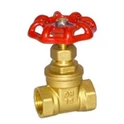
As a supplier of TRV (Thermostatic Radiator Valve) products, I've witnessed firsthand the transformative impact these devices have on heating systems. In this blog post, I'll delve into the technical aspects of how a TRV valve prevents overheating, highlighting its significance in energy - efficient and comfortable living environments.
The Basics of a TRV Valve
A TRV valve is a self - regulating device installed on radiators. It operates based on the principle of thermostatic control, which means it can adjust the flow of hot water through the radiator according to the ambient temperature. The main components of a TRV valve typically include a temperature sensor, a control mechanism, and a valve body.
The temperature sensor is the heart of the TRV valve. It is usually filled with a wax or a liquid that expands and contracts with temperature changes. When the room temperature rises, the wax or liquid in the sensor expands. This expansion is then translated into mechanical movement by the control mechanism, which in turn adjusts the valve body to reduce the flow of hot water into the radiator.
Preventing Overheating through Temperature Regulation
One of the primary ways a TRV valve prevents overheating is by maintaining a set temperature in the room. Users can set their desired temperature on the valve's thermostat. Once the room reaches this set temperature, the TRV valve starts to close gradually, restricting the flow of hot water into the radiator.
For example, if you set the TRV valve to 20°C, as the room temperature approaches this mark, the temperature - sensitive element in the valve expands. This expansion causes the valve stem to move, reducing the opening of the valve. As a result, less hot water enters the radiator, and the heat output of the radiator decreases. This continuous adjustment ensures that the room temperature remains stable around the set point, preventing the room from becoming too hot.
Energy Efficiency and Overheating Prevention
TRV valves play a crucial role in energy efficiency, which is closely related to preventing overheating. In a traditional heating system without TRV valves, radiators often continue to receive hot water at a constant rate, even when the room is already warm enough. This leads to overheating and wasted energy.
With TRV valves, the flow of hot water is precisely controlled. When a room reaches the desired temperature, the valve restricts the water flow. This not only prevents overheating but also reduces energy consumption. According to studies, the installation of TRV valves can lead to energy savings of up to 15 - 30% in a typical household heating system. This is because the system is no longer over - working to heat rooms that are already at a comfortable temperature.
Zone - Based Temperature Control
Another advantage of TRV valves in preventing overheating is their ability to enable zone - based temperature control. In a multi - room building, different rooms have different heating requirements. For instance, a sunny south - facing room may require less heating than a north - facing room.
By installing TRV valves in each room, you can set different temperatures for different zones. This means that a room that is naturally warmer due to sunlight exposure can have a lower set temperature on its TRV valve. As a result, the radiator in that room will receive less hot water, preventing overheating. Meanwhile, rooms that are colder can have a higher set temperature, ensuring they reach a comfortable level.
Comparison with Other Valve Types
It's worth comparing TRV valves with other types of valves commonly used in heating systems, such as Manual Radiator Valve and Duplex Valve.


Manual radiator valves require manual adjustment. Users need to physically turn the valve to increase or decrease the flow of hot water. This method is less precise and more prone to overheating. For example, a user may forget to adjust the valve as the room temperature changes, leading to overheating.
Duplex valves are designed for more complex heating systems, often used in commercial buildings. While they can offer some level of flow control, they are not specifically designed for thermostatic control. TRV valves, on the other hand, are dedicated to maintaining a set temperature, making them more effective in preventing overheating in both residential and commercial settings.
Maintenance and Long - Term Overheating Prevention
Proper maintenance of TRV valves is essential for long - term overheating prevention. Over time, the valve may accumulate dirt and debris, which can affect its performance. Regular cleaning and inspection can ensure that the valve operates smoothly.
It's also important to check the calibration of the temperature sensor periodically. If the sensor is not calibrated correctly, the valve may not respond accurately to temperature changes, leading to overheating. By following the manufacturer's maintenance guidelines, you can ensure that your TRV valves continue to prevent overheating effectively for years to come.
Conclusion
In conclusion, TRV valves are an indispensable component of modern heating systems when it comes to preventing overheating. Through their thermostatic control mechanism, they maintain a stable room temperature, improve energy efficiency, enable zone - based temperature control, and outperform other valve types in terms of preventing overheating.
If you're looking for a reliable solution to prevent overheating in your heating system and improve energy efficiency, our TRV valve products are the ideal choice. We offer a wide range of high - quality TRV valves that are designed to meet the diverse needs of residential and commercial customers. Whether you're building a new property or upgrading an existing heating system, our TRV valves can make a significant difference.
If you're interested in learning more about our TRV valve products or would like to discuss your specific requirements, we encourage you to reach out to us. Our team of experts is ready to assist you with product selection, installation advice, and any other queries you may have. Contact us today to start your journey towards a more comfortable and energy - efficient heating system.
References
- "Energy Efficiency in Residential Heating Systems" - Journal of Building Science
- "Thermostatic Radiator Valves: A Comprehensive Guide" - Heating and Ventilation Magazine