Hey there! As a supplier of gas valves, I've seen firsthand the importance of these nifty little devices in all sorts of applications. Today, I'm gonna break down how a gas flow control valve works. It's not as complicated as it might sound, and by the end of this post, you'll have a solid understanding of what makes these valves tick.
The Basics of Gas Flow
Before we dive into the valve itself, let's talk a bit about gas flow. Gas is a fluid, just like water, but it behaves a bit differently. Gases are compressible, which means their volume can change depending on the pressure and temperature. When we talk about gas flow, we're usually interested in controlling the amount of gas that moves from one place to another in a given amount of time. This is measured in units like cubic feet per minute (CFM) or liters per second (L/s).
What is a Gas Flow Control Valve?
A gas flow control valve is a device that regulates the flow of gas through a pipeline or system. It can be used to start, stop, or adjust the amount of gas flowing. There are many different types of gas flow control valves, each designed for specific applications and operating conditions. Some common types include ball valves, butterfly valves, and diaphragm valves.
How Does It Work?
Let's take a look at the basic components and how they work together to control gas flow.
The Valve Body
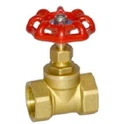
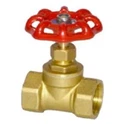
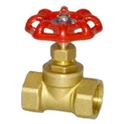
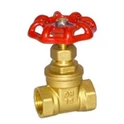
The valve body is the outer shell that houses all the other components. It's usually made of metal, like brass or stainless steel, to withstand the pressure and corrosive nature of the gas. The valve body has an inlet and an outlet. The gas enters the valve through the inlet and exits through the outlet.
The Valve Seat
The valve seat is a sealing surface inside the valve body. When the valve is closed, the valve disc or plug presses against the seat to prevent gas from flowing through. The quality of the seal between the valve disc and the seat is crucial for preventing leaks.
The Valve Disc or Plug
This is the part that actually controls the flow of gas. When the valve is opened, the disc or plug moves out of the way, allowing gas to flow through the valve. When the valve is closed, the disc or plug blocks the flow of gas. The movement of the disc or plug is controlled by an actuator.
The Actuator
The actuator is the mechanism that moves the valve disc or plug. There are several types of actuators, including manual, electric, pneumatic, and hydraulic.
- Manual Actuators: These are the simplest type of actuators. They're operated by a handwheel or lever. You turn the handwheel or move the lever to open or close the valve. Manual actuators are often used in small-scale applications where the flow doesn't need to be adjusted frequently.
- Electric Actuators: These actuators use an electric motor to move the valve disc or plug. They can be controlled remotely using a control system. Electric actuators are great for applications where precise control is required, like in industrial processes.
- Pneumatic Actuators: Pneumatic actuators use compressed air to move the valve disc or plug. They're fast and reliable, making them suitable for applications where quick response times are needed.
- Hydraulic Actuators: Hydraulic actuators use a hydraulic fluid to move the valve disc or plug. They can generate a lot of force, making them ideal for large valves or applications where high pressure is involved.
Types of Gas Flow Control Valves and Their Working Principles
Ball Valves
Ball valves are one of the most common types of gas flow control valves. They have a spherical disc with a hole in the middle. When the valve is open, the hole in the ball aligns with the inlet and outlet, allowing gas to flow through. When the valve is closed, the ball is rotated 90 degrees so that the hole is perpendicular to the flow path, blocking the gas flow. Ball valves are known for their quick opening and closing action and tight shut-off. Check out our Double-Fork Gas Valve for a great example of a ball valve.


Butterfly Valves
Butterfly valves have a disc that rotates around a central axis. When the valve is open, the disc is parallel to the flow path, allowing gas to flow through. When the valve is closed, the disc is rotated 90 degrees so that it blocks the flow path. Butterfly valves are lightweight and have a low-pressure drop, making them suitable for large-diameter pipelines. Our Handle Gas Valve is a type of butterfly valve that's easy to operate.
Diaphragm Valves
Diaphragm valves use a flexible diaphragm to control the flow of gas. The diaphragm is attached to a stem that moves up and down. When the valve is open, the diaphragm is lifted, allowing gas to flow through. When the valve is closed, the diaphragm is pressed against the valve seat, blocking the gas flow. Diaphragm valves are great for applications where the gas contains solids or where a tight shut-off is required.
Gas Regulator Valves
Gas regulator valves are a special type of gas flow control valve that's used to maintain a constant pressure downstream of the valve. They work by sensing the downstream pressure and adjusting the valve opening accordingly. If the downstream pressure increases, the valve closes slightly to reduce the flow and maintain the set pressure. If the downstream pressure decreases, the valve opens slightly to increase the flow. Check out our Gas Regulator Valve for more information.
Applications of Gas Flow Control Valves
Gas flow control valves are used in a wide range of applications, including:
- Residential Heating Systems: To control the flow of natural gas or propane to furnaces, water heaters, and stoves.
- Industrial Processes: To regulate the flow of gases in chemical plants, refineries, and manufacturing facilities.
- Power Generation: To control the flow of fuel gas to gas turbines and generators.
- Automotive Industry: In fuel injection systems and emissions control systems.
Why Choose Our Gas Valves?
As a gas valve supplier, we take pride in offering high-quality valves that are reliable and durable. Our valves are designed and manufactured to meet the highest industry standards. We have a wide range of valves to choose from, including ball valves, butterfly valves, and gas regulator valves. Whether you need a valve for a small residential application or a large industrial project, we've got you covered.
Contact Us for Your Gas Valve Needs
If you're in the market for a gas flow control valve, don't hesitate to get in touch with us. We can help you choose the right valve for your application and provide you with all the technical support you need. Our team of experts is always ready to answer your questions and assist you with your purchase. Let's work together to find the perfect gas valve solution for you.
References
- "Valve Handbook" by Robert E. McKetta
- "Fluid Mechanics and Thermodynamics of Turbomachinery" by S. L. Dixon
- Various industry standards and technical documents related to gas valves