Do TRV valves make noise?


As a supplier of TRV (Thermostatic Radiator Valve) valves, I often encounter questions from customers about the noise issues associated with these valves. In this blog, I'll dive deep into the topic to provide a comprehensive understanding of whether TRV valves make noise, what causes the noise, and how to address it.
Understanding TRV Valves
Before we discuss the noise aspect, let's briefly understand what TRV valves are. TRV valves are an essential component in modern heating systems. They are designed to automatically control the temperature of a radiator by regulating the flow of hot water into it. This not only helps in maintaining a comfortable indoor temperature but also contributes to energy efficiency by preventing over - heating.
Can TRV Valves Make Noise?
The short answer is yes, TRV valves can make noise. However, it's important to note that not all TRV valves will produce noise, and the noise levels can vary significantly depending on several factors.
Common Types of Noise
- Clicking or Ticking Noise: This is one of the most common types of noise associated with TRV valves. It typically occurs when the valve is adjusting the flow of water. The internal mechanism of the TRV, which consists of a thermostat, a pin, and a spring, moves to open or close the valve in response to changes in temperature. The clicking sound is often a result of the pin moving against the valve seat or the spring expanding and contracting.
- Hissing Noise: A hissing noise usually indicates a problem with the seal of the valve. When there is a small leak in the valve, the hot water or steam escaping through the gap can create a hissing sound. This can be a sign of wear and tear or improper installation.
- Gurgling or Bubbling Noise: This type of noise is often related to the presence of air in the system. If there is air trapped in the radiator or the TRV valve, it can cause a gurgling or bubbling sound as the water flows through. Air can enter the system during installation, maintenance, or when there is a leak.
Factors Contributing to Noise
- Water Pressure: High water pressure in the heating system can put extra stress on the TRV valve. The increased pressure can cause the valve to open and close more forcefully, leading to louder clicking or ticking noises. Additionally, high pressure can also increase the likelihood of leaks, which may result in hissing sounds.
- Thermostat Sensitivity: Some TRV valves have highly sensitive thermostats. These thermostats can react quickly to even minor temperature changes, causing the valve to open and close frequently. This frequent movement can generate more noise compared to valves with less sensitive thermostats.
- Installation Quality: Poor installation is a major factor that can contribute to noise issues. If the TRV valve is not installed correctly, it may not seal properly, leading to leaks and hissing noises. Incorrect alignment of the valve can also cause the internal components to rub against each other, resulting in clicking or grinding sounds.
- System Design: The overall design of the heating system can also play a role in the noise produced by TRV valves. For example, if the pipes are too small or the flow rate is too high, it can create turbulence in the system, which may be transmitted to the TRV valve and cause noise.
How to Reduce or Eliminate Noise
- Check and Adjust Water Pressure: If you suspect that high water pressure is causing the noise, you can use a pressure gauge to measure the pressure in the heating system. If the pressure is too high, you may need to adjust the pressure - reducing valve. This can help to reduce the force with which the TRV valve operates, minimizing the clicking and ticking noises.
- Bleed the Radiator: To get rid of the gurgling or bubbling noise caused by trapped air, you can bleed the radiator. This involves using a radiator key to open the bleed valve at the top of the radiator. As the air escapes, you should hear a hissing sound, and once the water starts to come out steadily, close the bleed valve.
- Inspect and Replace Seals: If you notice a hissing noise, it's important to check the seals of the TRV valve. Over time, the seals can wear out and cause leaks. You can try tightening the valve or replacing the seals if necessary. In some cases, it may be more cost - effective to replace the entire valve.
- Ensure Proper Installation: If you are installing a new TRV valve or replacing an old one, make sure to follow the manufacturer's instructions carefully. Ensure that the valve is properly aligned and tightened. If you are not confident in your installation skills, it's advisable to hire a professional plumber.
Related Products
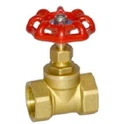
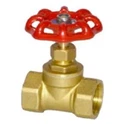
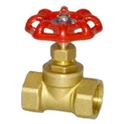
As a TRV valve supplier, we also offer other types of valves that are suitable for different heating system requirements. For example, our Duplex Valve is a reliable option for systems that require a more robust and efficient valve solution. The duplex valve is designed to handle high - pressure applications and provides better flow control.
Another product worth mentioning is our Manual Radiator Valve. This valve is a simple and cost - effective way to control the flow of water into the radiator. It allows users to manually adjust the temperature of the radiator, which can be useful in situations where precise temperature control is not required.
Conclusion
In conclusion, while TRV valves can make noise, it doesn't mean that they are defective or unreliable. Most noise issues can be addressed by understanding the root causes and taking appropriate measures. As a TRV valve supplier, we are committed to providing high - quality valves and offering technical support to our customers. If you are experiencing noise problems with your TRV valves or are looking for a new valve for your heating system, don't hesitate to contact us for more information and to discuss your specific needs. We are here to help you find the best solution for your heating requirements.
References
- "Heating System Basics" - Home Heating Handbook
- "Valve Installation and Maintenance Guide" - Plumbing Manufacturers' Association