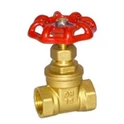
In the highly regulated and quality - conscious field of pharmaceutical manufacturing, the selection of equipment and components is of utmost importance. One such component that often comes under scrutiny is the manifold. Manifolds play a crucial role in distributing fluids, gases, or other substances within a manufacturing system. Among the various materials available for manifolds, brass is a common choice. But the question remains: Can brass manifolds be used in pharmaceutical manufacturing? As a brass manifolds supplier, I will delve into this topic to provide a comprehensive answer.
Properties of Brass Manifolds
Brass is an alloy primarily composed of copper and zinc, with other elements sometimes added to enhance specific properties. One of the key advantages of brass is its excellent machinability. This allows for the production of complex manifold designs with precise dimensions. For example, we can easily create Temperature Control Manifold that can accurately regulate the temperature of fluids flowing through the manifold, which is essential in many pharmaceutical processes where temperature control is critical for chemical reactions and product stability.
Brass also has good corrosion resistance. In a pharmaceutical manufacturing environment, where manifolds may come into contact with various chemicals, solvents, and cleaning agents, corrosion resistance is vital to ensure the longevity of the equipment and prevent contamination of the pharmaceutical products. However, it's important to note that the corrosion resistance of brass can vary depending on the specific composition of the alloy and the nature of the substances it encounters.
Another property of brass is its relatively high thermal conductivity. This can be beneficial in pharmaceutical processes that involve heat transfer, such as in the sterilization of equipment or the cooling of reaction mixtures. The high thermal conductivity of brass allows for efficient heat exchange, which can improve the overall efficiency of the manufacturing process.
Regulatory Requirements in Pharmaceutical Manufacturing
The pharmaceutical industry is subject to strict regulations to ensure the safety, efficacy, and quality of drugs. Regulatory bodies such as the Food and Drug Administration (FDA) in the United States and the European Medicines Agency (EMA) in Europe have established guidelines for the materials used in pharmaceutical manufacturing. These guidelines often require that materials be non - reactive, non - leaching, and easy to clean and sterilize.
When it comes to brass manifolds, the main concern from a regulatory perspective is the potential for metal leaching. Some of the elements in brass, such as copper and zinc, could potentially leach into the pharmaceutical products if the manifold is exposed to certain aggressive chemicals or under specific operating conditions. This could lead to contamination of the drugs, which is unacceptable in the pharmaceutical industry.


To meet regulatory requirements, brass manifolds used in pharmaceutical manufacturing must undergo rigorous testing. This includes testing for metal leaching under simulated operating conditions, as well as testing for the ability to be cleaned and sterilized effectively. Our company, as a brass manifolds supplier, adheres to these regulatory standards and conducts comprehensive testing on all our products to ensure compliance.
Applications of Brass Manifolds in Pharmaceutical Manufacturing
Despite the regulatory challenges, brass manifolds can still find applications in pharmaceutical manufacturing. One common application is in the fluid distribution systems for non - critical processes. For example, in the water supply systems for cleaning and rinsing equipment, brass manifolds can be used effectively. These systems typically do not come into direct contact with the pharmaceutical products, so the risk of contamination is relatively low.
Switch Valve Manifold made of brass can also be used in some auxiliary systems. These manifolds are used to control the flow of fluids or gases by switching between different paths. In pharmaceutical manufacturing, they can be used in systems such as ventilation systems or in the distribution of inert gases, where the risk of contamination is minimal.
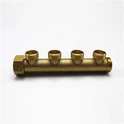
Another application is in the Four Way Brass Manifold, which can be used in some specific chemical reaction setups. These manifolds allow for the controlled mixing and distribution of different chemicals or reactants. However, in such applications, it is crucial to ensure that the brass manifold is properly coated or treated to prevent metal leaching and that it is regularly monitored and maintained.
Mitigating Risks Associated with Brass Manifolds
To use brass manifolds safely in pharmaceutical manufacturing, several risk - mitigation strategies can be employed. One approach is to use a coating on the brass surface. Coatings can act as a barrier between the brass and the pharmaceutical products, preventing metal leaching. There are various types of coatings available, such as epoxy coatings, which are known for their chemical resistance and non - reactivity.
Regular maintenance and monitoring are also essential. This includes routine inspections of the brass manifolds for signs of corrosion or damage, as well as regular testing for metal leaching. Cleaning and sterilization procedures should be strictly followed to ensure that the manifolds remain clean and free from contaminants.
In addition, proper selection of the brass alloy is crucial. Different brass alloys have different properties, and choosing an alloy with the appropriate corrosion resistance and other characteristics for the specific application can significantly reduce the risk of problems.
Conclusion
In conclusion, brass manifolds can be used in pharmaceutical manufacturing, but with careful consideration and appropriate risk - mitigation measures. Their properties such as machinability, corrosion resistance, and thermal conductivity make them suitable for certain applications, especially in non - critical and auxiliary systems. However, due to the strict regulatory requirements in the pharmaceutical industry, it is essential to ensure that the brass manifolds meet all the necessary standards.
As a brass manifolds supplier, we are committed to providing high - quality products that are suitable for pharmaceutical manufacturing. We understand the importance of regulatory compliance and take all the necessary steps to ensure that our products are safe and reliable. If you are in the pharmaceutical manufacturing industry and are considering using brass manifolds, we invite you to contact us for more information and to discuss your specific requirements. We can work with you to select the most appropriate brass manifold for your application and provide you with all the necessary technical support.
References
- "Guidance for Industry: Container Closure Systems for Packaging Human Drugs and Biologics", U.S. Food and Drug Administration.
- "Quality Guidelines for Medicinal Products in the European Union", European Medicines Agency.
- "Materials Selection for Pharmaceutical Manufacturing Equipment", Journal of Pharmaceutical Sciences.