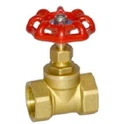
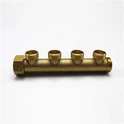
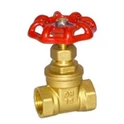
Hey there! I'm a supplier of brass fittings, and today I want to dig into the question: Can brass fittings be used in power generation plants? It's a topic that comes up a lot, and I'm here to share my thoughts and insights based on my experience in the industry.
First off, let's talk a bit about what brass fittings are. Brass is an alloy made primarily of copper and zinc. It's known for its excellent corrosion resistance, good malleability, and relatively high strength. These properties make brass a popular choice for a wide range of applications, from plumbing to electrical systems.
Now, let's get to the heart of the matter: power generation plants. These facilities are complex and require components that can withstand harsh conditions, high temperatures, and high pressures. So, can brass fittings cut it?
The answer is, it depends. In some cases, brass fittings can be a great choice for power generation plants. For example, in low-pressure and low-temperature applications, such as water or air systems, brass fittings can provide reliable performance. Their corrosion resistance helps prevent leaks and ensures the long-term integrity of the system.
One of the key advantages of using brass fittings in power generation plants is their ease of installation. Brass is a relatively soft metal, which means it can be easily machined and shaped into various fitting designs. This makes it possible to create custom brass fittings that are tailored to the specific needs of the plant. You can check out our Custom Brass Fittings page to see the range of options we offer.
Another benefit of brass fittings is their electrical conductivity. In power generation plants, electrical systems are crucial for the operation of various equipment. Brass fittings can be used to connect electrical wires and components, providing a reliable and efficient electrical connection.
However, it's important to note that brass fittings may not be suitable for all applications in power generation plants. In high-pressure and high-temperature environments, such as steam systems, brass may not have the necessary strength and heat resistance. In these cases, other materials, such as stainless steel or carbon steel, may be a better choice.
When considering the use of brass fittings in power generation plants, it's also important to take into account the specific requirements of the plant. Factors such as the type of fluid or gas being transported, the operating temperature and pressure, and the presence of any corrosive substances can all affect the performance of the fittings.
For example, if the plant is dealing with a corrosive fluid, such as seawater or acidic chemicals, special precautions may need to be taken to protect the brass fittings. In some cases, a protective coating or lining may be applied to the fittings to enhance their corrosion resistance.


In addition to the technical considerations, cost is also an important factor to consider. Brass fittings are generally more affordable than some other materials, such as stainless steel. This can make them an attractive option for power generation plants that are looking to keep their costs down.
So, to sum it up, brass fittings can be used in power generation plants, but their suitability depends on the specific application and operating conditions. If you're considering using brass fittings in your power generation plant, it's important to consult with a qualified engineer or expert who can help you determine the best solution for your needs.
At our company, we have a team of experienced professionals who can provide you with expert advice and guidance on the selection and use of brass fittings. We offer a wide range of brass fittings, including Brass Fitting Sleeve and Pex Fitting for Gas, to meet the diverse needs of our customers.
If you're interested in learning more about our brass fittings or have any questions, please don't hesitate to get in touch. We're here to help you find the right solution for your power generation plant. Let's work together to ensure the reliable and efficient operation of your facility.
References:
- "Handbook of Corrosion Data" by Bruce D. Craig
- "Power Generation Handbook" by Thomas C. EPRI