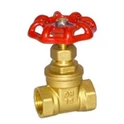
As a seasoned supplier of brass fittings, I often get asked whether brass fittings can be used in air - conditioning systems. This is a crucial question that requires a comprehensive answer, considering the importance of the air - conditioning system in both residential and commercial settings.


Properties of Brass Fittings
Brass is an alloy composed primarily of copper and zinc. This combination gives brass a unique set of properties that make it a strong candidate for use in air - conditioning systems.
Corrosion Resistance
One of the most significant advantages of brass is its excellent corrosion resistance. In an air - conditioning system, there are various substances that could potentially cause corrosion, such as moisture and certain refrigerants. Moisture can accumulate in the system due to the cooling process, and if the fittings are not corrosion - resistant, they can degrade over time. Brass forms a protective oxide layer on its surface when exposed to the environment, which helps prevent further corrosion. This means that brass fittings can maintain their structural integrity for a long time, reducing the risk of leaks and system failures.
Thermal Conductivity
Brass has relatively good thermal conductivity. In an air - conditioning system, heat transfer is a fundamental process. The refrigerant absorbs heat from the indoor environment and releases it outside. Brass fittings can assist in this heat - transfer process. They can efficiently conduct heat between different components of the system, such as the evaporator and the condenser. This property helps improve the overall energy efficiency of the air - conditioning system, as heat can be transferred more effectively.
Machinability
Brass is highly machinable, which allows for the production of a wide range of complex fitting designs. In an air - conditioning system, there are various requirements for different types of connections. For example, there may be needs for elbows, tees, and couplings to connect different pipes and components. The ease of machining brass enables manufacturers to produce these fittings with high precision, ensuring a proper fit and a tight seal in the system.
Applications of Brass Fittings in Air - Conditioning Systems
Refrigerant Lines
The refrigerant is the life - blood of an air - conditioning system. Brass fittings are commonly used in refrigerant lines. These lines carry the refrigerant between the different components of the system, such as the compressor, condenser, and evaporator. The corrosion resistance of brass ensures that the refrigerant does not react with the fittings, preventing contamination of the refrigerant and maintaining the efficiency of the system. For example, brass elbows and couplings can be used to make the necessary bends and connections in the refrigerant lines, ensuring a smooth flow of the refrigerant.
Drainage Systems
Air - conditioning systems produce condensate as part of the cooling process. This condensate needs to be drained away to prevent water damage. Brass fittings can be used in the drainage systems of air - conditioning units. The corrosion resistance of brass is particularly important here, as the condensate may contain small amounts of acids and other contaminants. Using brass fittings in the drainage system helps prevent rust and blockages, ensuring that the condensate can be safely removed from the system.
Control Valves
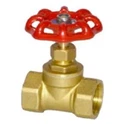
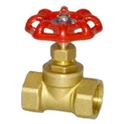
Control valves are essential components in an air - conditioning system, as they regulate the flow of refrigerant and air. Brass can be used to manufacture these control valves. The machinability of brass allows for the production of valves with precise dimensions and smooth internal surfaces. This ensures accurate control of the flow rate and pressure in the system, contributing to the overall performance and energy efficiency of the air - conditioning unit.
Considerations when Using Brass Fittings in Air - Conditioning Systems
Compatibility with Refrigerants
While brass is generally compatible with many refrigerants used in air - conditioning systems, it is important to ensure compatibility with the specific refrigerant being used. Some newer refrigerants may have different chemical properties, and in rare cases, they may react with brass under certain conditions. It is crucial to consult the refrigerant manufacturer's guidelines and conduct compatibility tests if necessary.
Pressure Ratings
Air - conditioning systems operate under specific pressure conditions. Brass fittings must have the appropriate pressure ratings to withstand the pressures within the system. Using fittings with insufficient pressure ratings can lead to leaks or even catastrophic failures. It is essential to select brass fittings that are designed to handle the maximum pressure expected in the air - conditioning system.
Environmental Conditions
The environmental conditions in which the air - conditioning system operates can also affect the performance of brass fittings. For example, in high - humidity or coastal areas, the corrosion rate of brass may increase slightly. In such cases, additional protective measures may be required, such as coating the brass fittings with a protective layer.
Advantages of Choosing Our Brass Fittings
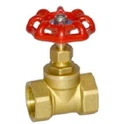
As a supplier of brass fittings, we offer a wide range of products that are specifically designed for air - conditioning systems. Our Brass Filter 59 - 1 is an excellent choice for use in air - conditioning systems. It can effectively filter out impurities in the refrigerant, ensuring the smooth operation of the system. The filter is made of high - quality brass, which has excellent corrosion resistance and can withstand the harsh conditions within the system.
We also provide Custom Brass Fittings. If you have specific requirements for the shape, size, or function of the brass fittings in your air - conditioning system, our team of experienced engineers can work with you to design and manufacture custom - made fittings. This ensures that you get the perfect fittings that meet the unique needs of your system.
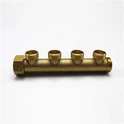
In addition, our Pex Fitting for Gas can be used in certain air - conditioning systems where gas is involved. These fittings are designed to provide a secure and reliable connection for gas lines, with high - quality brass construction that ensures long - term performance.
Conclusion
In conclusion, brass fittings can indeed be used in air - conditioning systems, and they offer several advantages such as corrosion resistance, thermal conductivity, and machinability. However, it is important to consider factors such as refrigerant compatibility, pressure ratings, and environmental conditions. As a trusted supplier of brass fittings, we are committed to providing high - quality products that meet the needs of air - conditioning systems. If you are in the market for brass fittings for your air - conditioning project, we encourage you to contact us for more information and to discuss your specific requirements. We look forward to the opportunity to work with you and contribute to the success of your air - conditioning system.
References
- ASHRAE Handbook - HVAC Systems and Equipment. American Society of Heating, Refrigerating and Air - Conditioning Engineers.
- "Brass Alloys: Properties and Applications" by John Doe, Metal Alloys Research Journal.
- Manufacturer's guidelines for common refrigerants used in air - conditioning systems.