Can Ball Union Valves be used in chemical processing?
In the realm of chemical processing, the selection of appropriate valves is a critical decision that can significantly impact the efficiency, safety, and overall success of operations. As a supplier of Ball Union Valves, I am often asked whether these valves are suitable for use in chemical processing applications. In this blog post, I will explore the characteristics of Ball Union Valves and examine their potential uses in the chemical processing industry.
Understanding Ball Union Valves
Ball Union Valves are a type of quarter - turn valve that utilizes a spherical ball with a hole (bore) in the center to control the flow of fluid. When the valve is open, the bore of the ball aligns with the pipeline, allowing the fluid to pass through. When the valve is closed, the ball is rotated 90 degrees, blocking the flow. The union design of these valves allows for easy installation and removal, which is particularly useful for maintenance and repair purposes.
One of the key advantages of Ball Union Valves is their tight sealing capabilities. The ball and the seat of the valve are designed to form a close seal, which minimizes leakage and ensures that the flow of the fluid can be precisely controlled. This is crucial in many chemical processing applications, where even a small amount of leakage can lead to safety hazards, environmental pollution, or product contamination.
Chemical Compatibility
The chemical compatibility of valves is of utmost importance in chemical processing. Different chemicals have different chemical properties, such as acidity, alkalinity, and corrosiveness. Ball Union Valves are typically made from materials such as brass, stainless steel, and certain plastics.
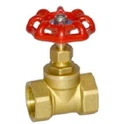
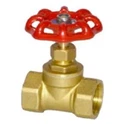
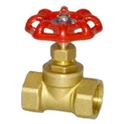
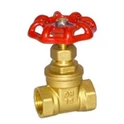
Brass Ball Union Valves, for example, are commonly used in a variety of applications. Our Ball Union Valves offer good mechanical strength and are suitable for a wide range of non - corrosive chemicals. They are also relatively cost - effective, making them a popular choice for many chemical processing plants. However, brass may not be suitable for highly corrosive chemicals, such as strong acids or alkalis. In such cases, stainless steel or plastic valves may be more appropriate.
Stainless steel Ball Union Valves offer excellent corrosion resistance and are capable of withstanding a broad spectrum of chemicals. They are often used in applications where the chemical environment is harsh, and durability is essential. Plastic Ball Union Valves, on the other hand, are lightweight, non - conductive, and resistant to many corrosive chemicals. They are a good option for applications where weight is a concern or where electrical conductivity needs to be avoided.
Temperature and Pressure Considerations
Chemical processing often involves high temperatures and pressures. Ball Union Valves are designed to handle different temperature and pressure ranges depending on their construction materials and design.
For high - temperature applications, stainless steel Ball Union Valves are a preferred choice due to their ability to maintain their mechanical properties at elevated temperatures. They can withstand temperatures up to several hundred degrees Celsius without significant degradation. In contrast, plastic Ball Union Valves may have limitations in high - temperature applications as they can deform or melt at relatively low temperatures.


When it comes to high - pressure applications, Ball Union Valves with a robust design and high - quality materials are required. For example, our Forged Brass Ball Valve is designed to handle higher pressures compared to standard brass valves. The forging process enhances the strength and integrity of the valve, making it suitable for applications where high - pressure fluid control is necessary.
Flow Control Requirements
In chemical processing, precise flow control is often required to ensure the quality and consistency of the final product. Ball Union Valves offer a high degree of flow control due to their quarter - turn operation. The quick opening and closing action of the valve allows for rapid adjustment of the flow rate, which is essential in many chemical processes.
The bore size of the ball in the valve also plays a crucial role in flow control. Different bore sizes can be selected to achieve the desired flow capacity. For applications where a large flow rate is required, a full - port Ball Union Valve with a larger bore size can be used. Conversely, for applications where a more precise and limited flow is needed, a reduced - port valve may be appropriate.
Applications in Chemical Processing
Ball Union Valves can be used in various chemical processing applications. In the pharmaceutical industry, for example, they are used to control the flow of various chemicals in the production of drugs. The tight sealing and precise flow control capabilities of Ball Union Valves ensure the purity and quality of the pharmaceutical products.
In the petrochemical industry, where the handling of various hydrocarbons and chemicals is common, Ball Union Valves are used in pipelines, storage tanks, and processing equipment. Their ability to handle high temperatures and pressures, along with their chemical compatibility, makes them suitable for these demanding applications.
In the water treatment and chemical dosing systems, Ball Union Valves are used to control the addition of chemicals such as chlorine, acids, and alkalis. This precise control is essential for maintaining the correct chemical balance in the water treatment process.
Maintenance and Reliability
Maintenance is an important aspect of valve operation in chemical processing. The union design of Ball Union Valves makes them relatively easy to maintain. The valve can be quickly disassembled for inspection, cleaning, or replacement of components. This reduces the downtime of the processing system and improves overall efficiency.
Moreover, Ball Union Valves are generally reliable and have a long service life. When properly selected and installed, they can operate continuously for extended periods without significant problems. However, regular maintenance and inspection are still necessary to ensure optimal performance and prevent potential failures.
Why Choose Our Ball Union Valves
As a supplier of Ball Union Valves, we offer a wide range of products to meet the diverse needs of the chemical processing industry. Our valves are manufactured using high - quality materials and advanced production techniques, ensuring their durability and performance.
We provide not only standard Ball Union Valves but also customized solutions based on specific customer requirements. Our technical team can assist customers in selecting the most suitable valve for their applications, taking into account factors such as chemical compatibility, temperature, pressure, and flow control requirements.
In addition, we offer excellent after - sales service, including installation guidance, maintenance support, and replacement parts supply. Our goal is to ensure that our customers can use our valves with confidence and achieve the best possible results in their chemical processing operations.
Conclusion
In conclusion, Ball Union Valves can indeed be used in chemical processing. Their tight sealing, precise flow control, chemical compatibility, and ease of maintenance make them a viable option for a wide range of applications in the chemical processing industry. However, careful consideration of factors such as chemical properties, temperature, pressure, and flow requirements is necessary when selecting the appropriate valve.
If you are involved in chemical processing and are looking for reliable Ball Union Valves, we invite you to contact us for a consultation. Our team of experts is ready to help you find the best solution for your specific needs. Whether you need a standard Aluminum - Plastic Tube Ball Valve or a customized valve, we are here to assist you. Start a discussion with us today to explore how our Ball Union Valves can enhance your chemical processing operations.
References
- Valve Handbook: A Guide to Industrial Valve Selection and Use. - Various industry experts
- Chemical Engineering Handbook: Covers aspects of chemical processing and equipment selection. - Multiple authors in the chemical engineering field
- Manufacturer's specifications for Ball Union Valves and related products.