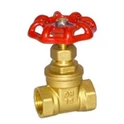
As a supplier of TRV (Thermostatic Radiator Valve) products, I often encounter inquiries from customers about whether a TRV valve can be used in a central heating system. In this blog, I will delve into this topic, exploring the compatibility, benefits, and considerations of using TRV valves in central heating systems.
Compatibility of TRV Valves in Central Heating Systems
TRV valves are highly compatible with central heating systems. A central heating system typically consists of a boiler, pipes, and radiators. The primary function of a TRV valve is to regulate the temperature of individual radiators by controlling the flow of hot water. In a central heating setup, the boiler heats the water, which is then circulated through the pipes to the radiators. Each radiator can be equipped with a TRV valve, allowing users to adjust the temperature of each room independently.
The working principle of a TRV valve is based on a thermostatic element. This element expands or contracts depending on the temperature of the room. When the room reaches the desired temperature, the thermostatic element expands, closing the valve and reducing the flow of hot water to the radiator. Conversely, when the room temperature drops, the element contracts, opening the valve and allowing more hot water to enter the radiator. This self - regulating mechanism makes TRV valves an ideal addition to central heating systems, as they can maintain a consistent and comfortable temperature in each room.
Benefits of Using TRV Valves in Central Heating Systems
Energy Efficiency
One of the most significant benefits of using TRV valves in a central heating system is energy efficiency. In a traditional central heating system without TRV valves, all radiators receive the same amount of hot water, regardless of the actual temperature requirements of each room. This can lead to overheating in some rooms and underheating in others. With TRV valves, users can set different temperatures for different rooms according to their usage. For example, bedrooms can be set at a lower temperature during the day when they are not in use, and living rooms can be kept warmer. This targeted temperature control reduces the overall energy consumption of the central heating system, resulting in lower energy bills.
Comfort
TRV valves enhance the comfort level in a central heating system. Each room can be customized to the occupants' preferences. People can adjust the temperature in their bedrooms to ensure a good night's sleep, or keep the living room at a cozy temperature for relaxation. This personalized temperature control eliminates the discomfort of over - or under - heated rooms, creating a more pleasant living environment.
Zoning
TRV valves enable zoning in a central heating system. Zoning means dividing a building into different areas or zones, each with its own temperature control. For instance, a large house can be divided into zones such as the ground floor, first floor, and basement. By installing TRV valves in each zone, the temperature of each zone can be regulated independently. This is particularly useful in commercial buildings or large residential properties, where different areas may have different heating requirements.
Considerations When Using TRV Valves in Central Heating Systems
System Design
When installing TRV valves in a central heating system, proper system design is crucial. The size and layout of the radiators, the length and diameter of the pipes, and the capacity of the boiler all need to be considered. If the system is not designed correctly, it may lead to issues such as uneven heating or reduced performance of the TRV valves. For example, if the pipes are too small, the flow of hot water may be restricted, affecting the ability of the TRV valves to regulate the temperature effectively.
Compatibility with Other Components
TRV valves need to be compatible with other components of the central heating system, such as the boiler and the radiators. Some older boilers may not be compatible with TRV valves, as they may require a certain minimum flow rate of hot water to operate efficiently. In such cases, additional components or modifications may be needed to ensure the proper functioning of the system. Similarly, the type and size of the radiators also need to be considered. Different radiators have different heat output capabilities, and the TRV valves need to be selected accordingly to ensure accurate temperature control.
Maintenance
Regular maintenance is essential for the proper functioning of TRV valves in a central heating system. Over time, the thermostatic element in the TRV valve may become dirty or worn out, affecting its performance. It is recommended to clean the TRV valves periodically and check for any signs of damage or malfunction. If a TRV valve is not working properly, it should be replaced promptly to avoid issues such as overheating or underheating in the room.
Our TRV Valve Products and Related Offerings
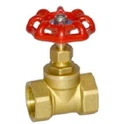
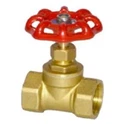
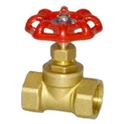
As a TRV valve supplier, we offer a wide range of high - quality TRV valves suitable for central heating systems. Our valves are designed with advanced thermostatic technology, ensuring accurate and reliable temperature control. We also provide Duplex Valve and Manual Radiator Valve options for customers who have different requirements.
Our Duplex Valve combines the functions of a TRV valve and a manual valve, providing users with more flexibility in temperature control. The Manual Radiator Valve, on the other hand, is a simple and cost - effective option for those who prefer manual operation.
Conclusion and Call to Action
In conclusion, TRV valves can be effectively used in central heating systems, offering numerous benefits such as energy efficiency, comfort, and zoning. However, proper system design, compatibility with other components, and regular maintenance are important considerations.
If you are interested in upgrading your central heating system with TRV valves or exploring our other valve products, we invite you to contact us for procurement and further discussions. Our team of experts is ready to provide you with professional advice and solutions tailored to your specific needs.


References
- ASHRAE Handbook of Heating, Ventilating, and Air - Conditioning Systems and Equipment.
- British Standard BS EN 215:2004 - Thermostatic radiator valves for heating systems.
- CIBSE Guide C: Heating and Cooling Load Calculations.