When it comes to the selection of valves for a drinking water system, numerous factors need to be taken into account, including material safety, durability, and performance. As a PPR spherical valve supplier, I am frequently asked whether a PPR spherical valve can be used in a drinking water system. In this blog, I will delve into this question, analyzing the suitability of PPR spherical valves for drinking water applications from multiple perspectives.


Understanding PPR Spherical Valves
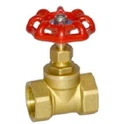
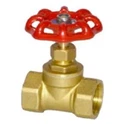
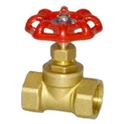
PPR, or polypropylene random copolymer, is a type of thermoplastic polymer known for its excellent chemical resistance, high temperature tolerance, and long - term durability. A PPR spherical valve is a valve made primarily of PPR material with a spherical disc that rotates to control the flow of fluid. The spherical design allows for a full - bore opening, which minimizes pressure drop and provides a smooth flow path.
Safety of PPR Material for Drinking Water
One of the most critical aspects of using a valve in a drinking water system is the safety of the material. PPR is a non - toxic and hygienic material that meets the strict standards for contact with drinking water in many countries. It does not release harmful substances such as heavy metals or chemicals into the water, ensuring the water quality remains safe for consumption.
According to relevant international standards, PPR materials used in drinking water systems must pass tests for migration of substances. These tests evaluate the potential transfer of chemicals from the material to the water under different conditions, including temperature and contact time. PPR has been proven to have low migration levels, making it a reliable choice for drinking water applications.
Durability and Long - Term Performance
In a drinking water system, the valve needs to withstand long - term use without significant wear and tear. PPR spherical valves are well - known for their durability. They are resistant to corrosion, which is a major concern in water systems, especially in areas with hard water or high levels of dissolved minerals.
The PPR material has a high resistance to scratches and abrasions, which helps maintain the integrity of the valve over time. Additionally, the design of the spherical valve provides a tight seal, reducing the risk of leakage. This is crucial in a drinking water system, as even a small leak can lead to water waste and potential damage to the surrounding infrastructure.
Ease of Installation and Maintenance
PPR spherical valves are relatively easy to install. The PPR pipes and valves can be joined using heat fusion techniques, which create a strong and leak - proof connection. This method of installation is quicker and more straightforward compared to traditional methods such as threading or gluing.
Maintenance of PPR spherical valves is also minimal. Since they are made of a smooth - surfaced material, there is less likelihood of debris or scale buildup inside the valve. In case of any issues, the spherical design allows for easy access to the internal components for inspection and repair.
Comparison with Other Valve Types
There are various types of valves available for drinking water systems, and it's important to understand how PPR spherical valves compare to others.
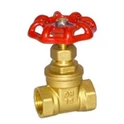
For example, brass valves are also commonly used in drinking water systems. However, brass may contain lead, which can leach into the water over time, especially in acidic or soft water conditions. While there are lead - free brass options available, PPR valves offer a more consistent and guaranteed lead - free solution.
Another type is the aluminum - plastic tube ball valve Aluminum - Plastic Tube Ball Valve. These valves have their own advantages, such as flexibility in installation. However, PPR spherical valves are more resistant to temperature changes and have better long - term stability.
The butterfly handle ball valve 1" Butterfly Handle Ball Valve 1" is a popular choice for controlling the flow in some systems. But PPR spherical valves provide a more precise flow control due to their spherical disc design, which can be adjusted more accurately to regulate the water flow.
Ball union valves Ball Union Valves are known for their ease of disassembly. PPR spherical valves, on the other hand, offer a more permanent and reliable connection through heat fusion, which is beneficial in a long - term drinking water system.
Limitations and Considerations
While PPR spherical valves have many advantages for drinking water systems, there are also some limitations and considerations.
PPR has a relatively low melting point compared to some metal materials. In case of a fire or extremely high - temperature environment, the PPR valve may deform or melt, which could lead to a loss of water control. Therefore, in areas with high fire risks, additional fire - protection measures may be required.
Also, the initial cost of PPR spherical valves may be slightly higher than some basic valve types. However, considering their long - term durability and low maintenance requirements, the overall cost - effectiveness over the life of the system is often favorable.
Conclusion
In conclusion, a PPR spherical valve can be an excellent choice for a drinking water system. Its safety, durability, ease of installation and maintenance, and performance characteristics make it well - suited for this application. While there are some limitations, these can be managed with proper design and installation.
If you are in the process of setting up or upgrading a drinking water system and are considering using PPR spherical valves, I encourage you to reach out for further discussion. As a professional PPR spherical valve supplier, I can provide you with detailed product information, technical support, and help you make the best decision for your specific needs. Whether it's for a residential, commercial, or industrial drinking water system, we have the expertise to assist you. Contact us today to start the procurement negotiation and find the perfect PPR spherical valves for your project.
References
- "Drinking Water Quality Standards and Regulations," International Organization for Standardization.
- "Thermoplastic Pipes and Fittings for Water Supply Systems," National Building Code.
- "Valve Selection Guide for Water Systems," Water Industry Research Foundation.