Can a heating valve be used in a geothermal heating system? Well, that's a question I get asked a lot as a heating valve supplier. Let's dig into this topic and see if we can clear things up.
First off, let's understand what a geothermal heating system is. Geothermal heating systems tap into the stable temperature of the earth to heat and cool buildings. They work by transferring heat between the ground and the building using a series of pipes filled with a heat - transfer fluid. It's a pretty efficient and eco - friendly way to keep your place at a comfortable temperature.
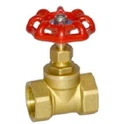
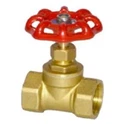
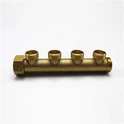
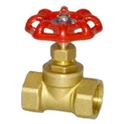
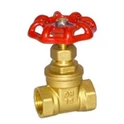
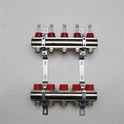
Now, let's talk about heating valves. Heating valves are essential components in any heating system. They control the flow of hot water or steam through radiators, under - floor heating systems, and other heating elements. There are different types of heating valves, like the Duplex Valve and the Manual Radiator Valve.
The Duplex Valve is a great option for systems where you need to control the flow in multiple directions. It can handle different pressures and flow rates, making it quite versatile. On the other hand, the Manual Radiator Valve gives you direct control over the heat output of your radiators. You can adjust it manually to get the perfect temperature in each room.
So, can these heating valves be used in a geothermal heating system? The answer is yes, and here's why.
Compatibility
One of the main reasons heating valves can be used in geothermal systems is compatibility. Geothermal systems, like other heating systems, rely on the proper control of the heat - transfer fluid. Heating valves are designed to regulate the flow of fluids, whether it's water or steam. In a geothermal system, the heat - transfer fluid flowing through the pipes needs to be controlled to ensure that the right amount of heat is delivered to the building.
For example, if you have a large building with different zones that require different temperatures, you can use multiple heating valves to control the flow of the heat - transfer fluid to each zone. This way, you can customize the heating for each area, increasing energy efficiency and comfort.
Temperature Regulation
Temperature regulation is crucial in a geothermal heating system. Heating valves play a vital role in this. They can be set to open or close based on the temperature of the room or the building. In a geothermal system, the heat - transfer fluid coming from the ground may have a relatively stable temperature, but the amount of heat needed in different parts of the building can vary.
Let's say it's a cold winter day, and you want the living room to be warmer than the hallway. You can use a heating valve to increase the flow of the heat - transfer fluid to the radiators in the living room, while reducing it in the hallway. This kind of precise temperature control is what makes heating valves so useful in geothermal systems.


Energy Efficiency
Using heating valves in a geothermal system can significantly improve energy efficiency. By controlling the flow of the heat - transfer fluid, you can avoid over - heating or under - heating areas of the building. For instance, if a room is already at the desired temperature, the heating valve can close, preventing unnecessary heat from being delivered.
This not only saves energy but also reduces wear and tear on the geothermal system. Over time, these energy savings can add up, making your geothermal heating system more cost - effective in the long run.
Installation and Maintenance
Installing heating valves in a geothermal system is not overly complicated. Most heating valves are designed to be easily integrated into existing plumbing systems. They usually come with clear installation instructions, and if you're not confident doing it yourself, a professional plumber can handle the installation quickly.
Maintenance is also relatively straightforward. Regularly checking the valves for leaks, proper operation, and cleaning them can keep them in good working condition. If a valve does need to be replaced, it's usually a simple process that can be done without major disruptions to the geothermal system.
However, there are a few things to keep in mind when using heating valves in a geothermal system.
Fluid Compatibility
The heat - transfer fluid used in a geothermal system may have specific properties. Some fluids are corrosive or have different viscosities compared to the fluids used in traditional heating systems. When choosing a heating valve, make sure it's compatible with the heat - transfer fluid in your geothermal system. Otherwise, the valve may corrode or malfunction over time.
Pressure and Flow Requirements
Geothermal systems may operate at different pressures and flow rates compared to other heating systems. You need to select a heating valve that can handle the specific pressure and flow requirements of your geothermal system. Using a valve that's not rated for the right pressure or flow can lead to inefficiencies or even damage to the valve and the system.
In conclusion, heating valves can definitely be used in a geothermal heating system. They offer compatibility, temperature regulation, energy efficiency, and are relatively easy to install and maintain. Whether you're looking for a Duplex Valve or a Manual Radiator Valve, there are options available to suit your geothermal system's needs.
If you're interested in learning more about how our heating valves can be integrated into your geothermal heating system or if you're looking to make a purchase, I'd love to have a chat with you. Reach out to us, and we can discuss your specific requirements and find the perfect heating valve solution for you.
References
- ASHRAE Handbook of Heating, Ventilating, and Air - Conditioning Systems and Equipment
- Geothermal Heat Pump Consortium Guidelines
- Plumbing and Heating Installation Manuals