Hey there! As a supplier of flowmeter manifolds, I often get asked whether a flowmeter manifold can be used in low - flow applications. Well, let's dive right into it and explore this topic in detail.
First off, what exactly is a flowmeter manifold? A flowmeter manifold is a device that combines multiple valves and ports into a single unit. It's used to control the flow of fluids, like gases or liquids, in a system. This setup makes it easier to manage the flow, isolate different parts of the system, and perform maintenance without shutting down the whole operation.
Now, when it comes to low - flow applications, things get a bit more specific. Low - flow applications typically involve situations where the fluid is moving at a very slow rate. This could be in a laboratory setting, where precise measurements of small amounts of chemicals are needed, or in a medical device that dispenses tiny doses of medication.
So, can a flowmeter manifold work in these low - flow scenarios? The answer is yes, but with some important considerations.
One of the key factors is the design of the manifold. In low - flow applications, we need a manifold that can handle the small volumes and slow flow rates accurately. A well - designed flowmeter manifold for low - flow should have minimal internal volume. Why? Because a large internal volume can cause what's called "dead volume." Dead volume is the space inside the manifold where the fluid can get trapped, leading to inaccurate measurements and slow response times.
For example, if you're using a manifold in a lab to measure the flow of a rare and expensive chemical, you don't want any of that precious fluid getting stuck inside the manifold. A manifold with a small internal volume ensures that the fluid moves through quickly and that the measurements are as accurate as possible.
Another important aspect is the type of valves used in the manifold. In low - flow applications, we often prefer valves that can provide fine control over the flow. Needle valves are a popular choice here. They have a long, tapered stem that can be adjusted precisely to control the flow rate. This allows for very accurate regulation of the low - flow fluid.
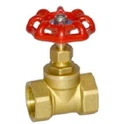
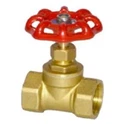
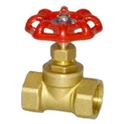
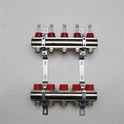
Let's talk about some of the products we offer that are suitable for low - flow applications. Our Switch Valve Manifold is designed with low - flow in mind. It has a compact design that minimizes dead volume, and the valves are carefully selected to provide accurate control. This manifold is great for applications where you need to switch between different flow paths while maintaining low - flow rates.
The Manifold Tail Piece is another useful component. It can be attached to the end of the manifold to further customize the flow path. It's designed to ensure a smooth and efficient flow of the low - volume fluid, reducing the chances of any blockages or disruptions.
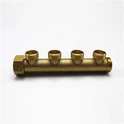
And then there's our Four Way Brass Manifold. This manifold is ideal for more complex low - flow systems where you need to direct the fluid in multiple directions. It offers flexibility in routing the fluid, which is crucial in many low - flow applications, such as in some types of medical equipment or small - scale chemical processing.
But it's not just about the design and the valves. The material of the manifold also plays a role in low - flow applications. In many cases, brass is a great choice. Brass is corrosion - resistant, which is important when dealing with different types of fluids. It also has good machinability, which allows for precise manufacturing of the manifold to meet the requirements of low - flow applications.
However, we also need to consider the compatibility of the manifold material with the fluid. Some fluids may react with brass, so in those cases, we might need to look at other materials like stainless steel or plastic.
When it comes to installation, proper installation is crucial for the performance of the manifold in low - flow applications. The manifold should be installed in a way that minimizes any bends or kinks in the flow path. Any irregularities in the flow path can cause turbulence, which can disrupt the low - flow and affect the accuracy of the measurements.
Calibration is another vital step. Once the manifold is installed, it needs to be calibrated to ensure accurate measurements. Calibration involves adjusting the manifold and the associated flowmeter to match a known standard. This is especially important in low - flow applications, where even small errors in measurement can have a significant impact.


Let's take a real - world example. Suppose you're running a small - scale biotech startup. You're developing a new drug delivery system that requires precise low - flow of a biological solution. Our flowmeter manifold can be a great fit for your needs. You can use it to control the flow of the solution accurately, ensuring that the right amount of the drug is delivered at the right time.
Now, let's talk about maintenance. In low - flow applications, regular maintenance is essential to keep the manifold working properly. Since the flow rates are low, any small blockage or buildup inside the manifold can have a big impact on the performance.
We recommend regular cleaning of the manifold to remove any debris or contaminants. This can be done using a suitable cleaning solution, depending on the type of fluid that has been flowing through the manifold. Also, check the valves regularly for any signs of wear or damage. Replace any worn - out parts promptly to ensure the continued accuracy of the manifold.
In conclusion, a flowmeter manifold can definitely be used in low - flow applications, but it requires careful consideration of design, valves, material, installation, calibration, and maintenance. At our company, we have the expertise and the products to meet your low - flow manifold needs. Whether you're in a laboratory, a medical facility, or a small - scale manufacturing plant, we can provide you with a high - quality manifold that will work effectively in your low - flow system.
If you're interested in learning more about our flowmeter manifolds for low - flow applications or have any questions, feel free to reach out. We're here to help you find the perfect solution for your specific requirements. Let's start a conversation and see how we can work together to meet your flow measurement needs.
References:
- "Flow Measurement Handbook" by Richard W. Miller
- "Valve Handbook" by J. Paul Tullis