Hey there! As a supplier of brass gate valves, I often get asked whether a brass gate valve can be used in a food processing plant. It's a super important question, and today, I'm gonna break it down for you.
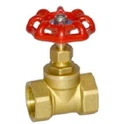
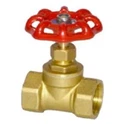
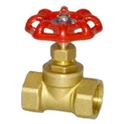
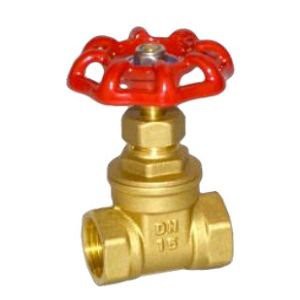
First off, let's talk about what a brass gate valve is. A brass gate valve is a type of valve that uses a gate - like disc to control the flow of fluid. When the valve is open, the gate is lifted, allowing the fluid to pass through. When it's closed, the gate drops down, blocking the flow. It's a simple yet effective design that's been around for ages.
Now, let's dive into the suitability of brass gate valves for food processing plants. One of the key concerns in food processing is ensuring the safety and quality of the food products. Any equipment that comes into contact with food must meet strict hygiene and safety standards.
Brass is an alloy made mainly of copper and zinc. Copper is known for its antimicrobial properties, which can be a big plus in a food processing environment. Microorganisms like bacteria can't thrive as easily on copper - containing surfaces, reducing the risk of contamination. Zinc, on the other hand, also contributes to the overall durability of the brass.

However, there are also some potential drawbacks. Brass can contain trace amounts of lead. In the past, lead was often added to brass to improve its machinability. But lead is a toxic substance, and if it leaches into the food products, it can pose a serious health risk. That's why in recent years, there have been strict regulations regarding the lead content in brass products used in food - related applications.
Many modern brass gate valves are made with low - lead or lead - free brass. These valves are specifically designed to meet the requirements of food processing plants. They undergo rigorous testing to ensure that the lead leaching is within acceptable limits. So, if you're considering using a brass gate valve in your food processing plant, make sure to look for valves that comply with relevant food safety standards, such as NSF/ANSI 61 in the United States.
Another aspect to consider is the valve's design and construction. In a food processing plant, it's crucial that the valve is easy to clean. Any nooks and crannies in the valve can trap food particles and bacteria, leading to contamination. A well - designed brass gate valve should have a smooth interior surface and minimal dead spaces where food can accumulate.
Some brass gate valves come with features like a full - port design. This means that the opening inside the valve is the same size as the pipe, allowing for unrestricted flow and making it easier to clean. Additionally, the valve should be made with high - quality materials and have a tight seal to prevent any leakage, which could also lead to contamination.
Now, let's talk about the different types of brass gate valves that might be suitable for food processing plants. There's the PP - R Gate Valve. PP - R stands for polypropylene random copolymer. These valves combine the benefits of brass and PP - R materials. The brass provides strength and durability, while the PP - R lining can offer additional protection against corrosion and reduce the risk of lead leaching.
If you have specific requirements for your food processing plant, you might want to consider a Customized Brass Gate Valve. With a customized valve, you can get the exact size, shape, and features that you need. For example, you could request a valve with a special coating to further enhance its resistance to corrosion or a unique connection type to fit your existing piping system.
A common size for brass gate valves in food processing plants is the Brass Gate Valve 1/2". This size is often used in smaller - scale food processing operations or for applications where a relatively low flow rate is required.
In terms of maintenance, brass gate valves are generally quite easy to maintain. Regular inspection is important to check for any signs of wear, corrosion, or leakage. If you notice any issues, it's best to address them promptly to avoid any potential problems. Lubricating the valve stem periodically can also help ensure smooth operation.
When it comes to installation, make sure to follow the manufacturer's instructions carefully. Improper installation can lead to problems like leakage or reduced valve performance. It's also a good idea to have a professional installer handle the job, especially if you're not experienced with valve installation.
So, can a brass gate valve be used in a food processing plant? The answer is yes, but with some important considerations. You need to choose the right type of brass gate valve, ensure it meets food safety standards, and pay attention to installation and maintenance.
If you're in the market for a brass gate valve for your food processing plant, I'd love to help. I've got a wide range of high - quality brass gate valves that are designed to meet the strict requirements of the food industry. Whether you need a standard valve or a customized solution, I can provide you with the best options. Just reach out, and we can start a conversation about your specific needs.
References
- NSF/ANSI 61: Drinking Water System Components – Health Effects.
- Industry reports on food processing equipment and valve standards.