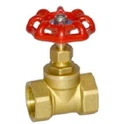
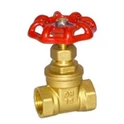
Can a brass ball valve be used in a vacuum system? This is a question that often arises among engineers, technicians, and those involved in the design and operation of vacuum systems. As a supplier of high - quality brass ball valves, I am well - positioned to delve into this topic and provide a comprehensive answer.
Understanding Vacuum Systems
Before we discuss the suitability of brass ball valves in vacuum systems, it's essential to understand what a vacuum system is. A vacuum system is designed to create and maintain a pressure lower than the ambient atmospheric pressure. These systems are used in a wide range of applications, from scientific research and semiconductor manufacturing to food packaging and aerospace technology.
The performance requirements of a vacuum system vary depending on the specific application. For instance, in semiconductor manufacturing, extremely high - vacuum conditions are needed to prevent contamination during the fabrication process. On the other hand, food packaging may require a more moderate vacuum level.
Properties of Brass Ball Valves
Brass is an alloy primarily composed of copper and zinc, with other elements added in smaller quantities to enhance its properties. Brass ball valves are known for their durability, corrosion resistance, and ease of operation. The ball inside the valve rotates to control the flow of fluid or gas, providing a reliable shut - off mechanism.
One of the key advantages of brass is its relatively low cost compared to other metals used in valve manufacturing, such as stainless steel. This makes brass ball valves an attractive option for many applications where cost is a significant factor. Additionally, brass can be easily machined, allowing for the production of valves with precise dimensions and tight tolerances.

Suitability of Brass Ball Valves in Vacuum Systems
The use of brass ball valves in vacuum systems depends on several factors, including the vacuum level required, the type of gas or fluid being handled, and the operating conditions.
Vacuum Level
For low - to medium - vacuum applications (ranging from atmospheric pressure down to about 10⁻³ Torr), brass ball valves can be a suitable choice. At these vacuum levels, the main concern is the ability of the valve to maintain a proper seal. High - quality brass ball valves are designed with tight - fitting seals that can prevent air leakage into the vacuum system.
However, in high - vacuum applications (below 10⁻³ Torr), the outgassing properties of brass become a more significant issue. Outgassing refers to the release of gas molecules from the surface of the material. Brass contains small amounts of volatile substances, such as oils and moisture, which can outgas under high - vacuum conditions. This outgassing can contaminate the vacuum environment and affect the performance of the system. In such cases, materials with lower outgassing rates, like stainless steel or special - grade ceramics, are often preferred.
Gas or Fluid Type
The type of gas or fluid being handled in the vacuum system also affects the suitability of brass ball valves. Brass is generally resistant to many common gases and fluids, including air, water, and some non - corrosive chemicals. However, in the presence of certain aggressive chemicals or highly reactive gases, brass may corrode over time. For example, exposure to strong acids or alkaline solutions can cause the brass to degrade, leading to valve failure.
Operating Conditions
The operating temperature and pressure of the vacuum system are important considerations. Brass has a relatively low melting point compared to some other metals, which limits its use in high - temperature applications. If the temperature in the vacuum system exceeds the recommended operating temperature range of the brass ball valve, the valve may deform or lose its sealing properties.
Sealing Performance
The sealing performance of a brass ball valve is crucial in a vacuum system. A good seal is necessary to prevent air leakage, which can compromise the vacuum level. Most brass ball valves use elastomeric seals, such as O - rings, to provide a tight seal between the ball and the valve body. These seals are designed to withstand the pressure differentials between the inside and outside of the valve.
However, over time, the elastomeric seals may degrade due to factors such as temperature, chemical exposure, and mechanical wear. Regular maintenance and replacement of the seals are necessary to ensure the long - term reliability of the valve in a vacuum system.
Our Product Offerings
As a supplier of brass ball valves, we offer a wide range of products suitable for various applications, including vacuum systems. Our Forged Brass Ball Valve is a high - quality option that is designed to provide excellent sealing performance and durability. It is made from forged brass, which offers superior strength compared to cast brass valves.
Our PPR Nickel Plated Ball Valve combines the advantages of brass with the corrosion - resistant properties of nickel plating. This valve is ideal for applications where additional protection against corrosion is required.
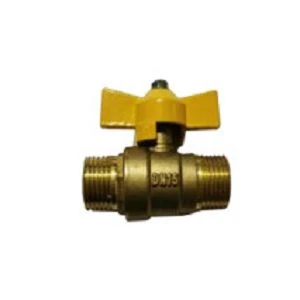
For larger - diameter applications, our Butterfly Handle Ball Valve 1" provides easy operation and reliable flow control. The butterfly handle allows for quick and precise adjustment of the valve position.
Considerations for Installation and Maintenance
Proper installation and maintenance are essential for the successful use of brass ball valves in vacuum systems. During installation, it is important to ensure that the valve is correctly aligned and tightened to prevent leaks. The seals should be inspected for damage and lubricated if necessary.
Regular maintenance of the valve includes checking the seals for wear, cleaning the valve body to remove any debris or contaminants, and testing the valve's operation. If any signs of leakage or malfunction are detected, the valve should be repaired or replaced promptly.
Conclusion
In conclusion, brass ball valves can be used in vacuum systems, especially in low - to medium - vacuum applications. Their durability, cost - effectiveness, and ease of operation make them an attractive option for many users. However, it is important to carefully consider the vacuum level, the type of gas or fluid being handled, and the operating conditions before selecting a brass ball valve for a specific application.
If you are considering using brass ball valves in your vacuum system, we invite you to contact us for more information. Our team of experts can help you select the right valve for your needs and provide guidance on installation and maintenance. Whether you are a small - scale manufacturer or a large - scale industrial operation, we are committed to providing high - quality products and excellent customer service.
References
- ASM Handbook, Volume 2: Properties and Selection: Nonferrous Alloys and Special - Purpose Materials. ASM International.
- Valve Handbook, 4th Edition. Crane Co.
- Vacuum Technology: A Practical Guide. O'Hanlon, J. F.