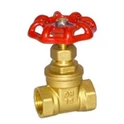
Are there any safety issues with brass valve bodies?

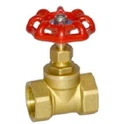
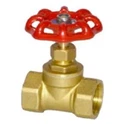
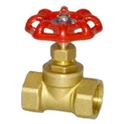
As a supplier of brass valve bodies, I've often encountered inquiries from customers regarding the safety aspects of these products. Brass valve bodies are widely used in various industries, including plumbing, HVAC, and industrial applications. Understanding the potential safety issues associated with brass valve bodies is crucial for both manufacturers and end - users.
Composition and Properties of Brass Valve Bodies
Brass is an alloy primarily composed of copper and zinc. The exact composition can vary, which in turn affects the properties of the brass valve body. For instance, different ratios of copper and zinc can impact the strength, corrosion resistance, and machinability of the valve body.
One of the key advantages of brass is its relatively high corrosion resistance. In many common environments, brass valve bodies can withstand the effects of moisture and chemicals better than some other materials. This corrosion resistance is essential for maintaining the integrity of the valve over time. If a valve body were to corrode, it could lead to leaks, which pose a significant safety hazard, especially in applications where the fluid being controlled is flammable, toxic, or under high pressure.
Potential Safety Issues
Leakage
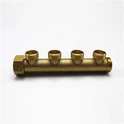
Leakage is one of the most common safety concerns with brass valve bodies. Leaks can occur due to several reasons. Firstly, improper installation can lead to misalignment of the valve components, causing gaps where fluid can escape. For example, if the [External Thread Three - way Valve Body](https://yourwebsite.com/valve - parts/brass - valve - body/external - thread - three - way - valve - body.html) is not tightened correctly during installation, it may start to leak.
Secondly, wear and tear over time can also cause leakage. The internal components of the valve, such as the seats and seals, can degrade with repeated use. A worn - out [Brass Gasket](https://yourwebsite.com/valve - parts/brass - valve - body/brass - gasket.html) may not provide a proper seal, allowing fluid to seep out. This is particularly dangerous in systems where the fluid is a hazardous substance, as it can contaminate the surrounding environment and pose a risk to human health.
Pressure - related Issues
Brass valve bodies are designed to operate within specific pressure ranges. Exceeding these pressure limits can lead to catastrophic failures. When a valve is subjected to excessive pressure, the brass material may deform or even rupture. This can result in a sudden release of high - pressure fluid, which can cause physical harm to nearby personnel and damage to equipment.
It's important for users to ensure that the valve body they select is rated for the pressure of the system in which it will be installed. Additionally, proper pressure relief mechanisms should be in place to prevent over - pressurization of the valve and the entire system.
Contamination
In some applications, such as those in the food and beverage or pharmaceutical industries, contamination is a major safety concern. Brass contains trace elements, and in certain circumstances, these elements can leach into the fluid being transported through the valve. For example, if the water flowing through a brass valve body is acidic, it may cause the brass to corrode slightly, releasing copper and zinc ions into the water.
To mitigate this risk, special grades of brass with low lead content are often used in applications where contact with potable water or food products is involved. These low - lead brass valve bodies are designed to meet strict safety standards and reduce the risk of contamination.
Safety Measures and Precautions
Quality Control in Manufacturing
As a supplier, we implement strict quality control measures during the manufacturing process of brass valve bodies. This includes using high - quality raw materials, precise machining processes, and thorough testing. For example, each valve body is inspected for dimensional accuracy to ensure proper fit and function. Pressure testing is also conducted to verify that the valve can withstand the rated pressure without leakage or failure.

Proper Installation and Maintenance
Proper installation is key to ensuring the safety of brass valve bodies. Installation should be carried out by trained professionals who follow the manufacturer's instructions. This includes using the correct tools and techniques to ensure that the valve is properly aligned and tightened.
Regular maintenance is also essential. This involves inspecting the valve for signs of wear, corrosion, or leakage, and replacing any worn - out components such as [Valve Cap](https://yourwebsite.com/valve - parts/brass - valve - body/valve - cap.html) or gaskets as needed. Maintenance schedules should be established based on the application and the operating conditions of the valve.
Compliance with Standards
Brass valve bodies should comply with relevant industry standards. In the United States, for example, valves used in potable water systems must meet the requirements of the Safe Drinking Water Act. These standards ensure that the valve bodies are safe for use and do not pose a risk of contamination. By adhering to these standards, we can provide our customers with valve bodies that are reliable and safe.
Conclusion
While there are potential safety issues associated with brass valve bodies, these can be effectively managed through proper manufacturing, installation, maintenance, and compliance with standards. As a supplier, we are committed to providing high - quality brass valve bodies that meet the safety needs of our customers.

If you are in the market for brass valve bodies and have any questions or concerns about safety, please do not hesitate to contact us for further information. We are more than happy to assist you in selecting the right valve body for your application and ensuring that it is installed and maintained safely.
References
- ASTM International. "ASTM Standards for Brass Alloys."
- ASME. "ASME Boiler and Pressure Vessel Code."
- U.S. Environmental Protection Agency. "Safe Drinking Water Act Regulations."