Gas valves are an integral part of any gas - powered system, whether it's in industrial settings, commercial kitchens, or residential homes. As a gas valve supplier, I've encountered numerous questions regarding the safety of gas valves. In this blog, I'll delve into the science behind gas valve safety, explore the factors that contribute to it, and discuss the various types of gas valves we offer.
Understanding the Basics of Gas Valve Safety
At the core of gas valve safety is the prevention of gas leaks. Natural gas and propane, the most commonly used gases, are highly flammable. A small leak can lead to a significant build - up of gas in an enclosed space, creating a potentially explosive situation. Gas valves are designed to control the flow of gas, ensuring that it is only released when and where it is needed.
Modern gas valves are equipped with several safety features. One of the most important is the shut - off mechanism. In the event of a malfunction, such as a sudden drop in pressure or a fire, the valve can automatically close, cutting off the gas supply. This is crucial in preventing gas from continuing to flow and causing further damage.
Another safety feature is the sealing mechanism. A good gas valve should have a tight seal to prevent any gas from escaping. High - quality materials are used in the construction of the valve components to ensure long - lasting and reliable sealing. For example, brass is a popular choice for gas valve bodies due to its corrosion resistance and durability.
Factors Affecting Gas Valve Safety
Quality of Manufacturing
The safety of a gas valve starts with its manufacturing process. A well - made valve will adhere to strict industry standards. At our company, we follow all relevant safety regulations and use advanced manufacturing techniques to produce gas valves of the highest quality. We conduct rigorous testing on each valve to ensure that it meets or exceeds safety requirements.
Installation
Proper installation is crucial for gas valve safety. A valve that is not installed correctly may not function as intended, leading to potential safety hazards. It is recommended that gas valves be installed by a qualified professional who has the necessary skills and knowledge. Incorrect installation, such as improper tightening of connections or misalignment, can cause gas leaks.
Maintenance
Regular maintenance is essential to keep gas valves in good working condition. Over time, valves can wear out, and seals may deteriorate. By performing routine inspections, cleaning, and lubrication, you can extend the lifespan of the valve and ensure its continued safety. For example, checking for signs of corrosion or damage to the valve body and replacing any worn - out parts can prevent potential problems.
Types of Gas Valves and Their Safety Features
Handle Gas Valve
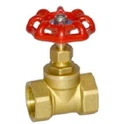
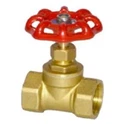
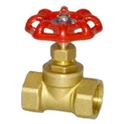
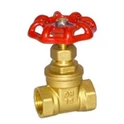
The [Handle Gas Valve](/brass - valve/gas - valve/handle - gas - valve.html) is a commonly used type of gas valve. It is typically used in residential and small - scale commercial applications. This valve is operated by a handle, which can be turned to open or close the gas flow. The handle provides a simple and intuitive way to control the gas supply.
Safety features of the handle gas valve include a clear indication of the valve's open or closed position. The handle is designed in such a way that it is easy to see whether the gas is flowing or not. Additionally, the valve is constructed with a reliable sealing mechanism to prevent gas leaks.
Double - Fork Gas Valve
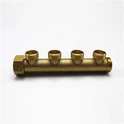
The [Double - Fork Gas Valve](/brass - valve/gas - valve/double - fork - gas - valve.html) is often used in more complex gas systems. It is designed to provide precise control of the gas flow. The double - fork design allows for a more stable and accurate operation.
This type of valve also has enhanced safety features. It is equipped with a double - sealing mechanism, which provides an extra layer of protection against gas leaks. In addition, the valve is designed to withstand high pressures, making it suitable for industrial applications where safety is of utmost importance.
Trident Gas Valve
The [Trident Gas Valve](/brass - valve/gas - valve/trident - gas - valve.html) is a specialized gas valve that offers unique safety features. It is designed with a three - pronged structure, which provides better control and stability.
The trident gas valve is often used in applications where a high level of safety and precision is required. It has a fail - safe mechanism that automatically shuts off the gas supply in case of an emergency. This ensures that the gas system remains safe even in the event of a malfunction.
Conclusion
In conclusion, gas valves can be safe when they are of high quality, properly installed, and regularly maintained. As a gas valve supplier, we are committed to providing our customers with safe and reliable products. Our range of gas valves, including the Handle Gas Valve, Double - Fork Gas Valve, and Trident Gas Valve, are designed with the latest safety features to meet the diverse needs of our customers.
If you are in the market for gas valves, we invite you to contact us for more information. Our team of experts can help you select the right valve for your specific application and provide you with all the necessary support for installation and maintenance. Ensuring the safety of your gas system is our top priority, and we look forward to working with you to achieve this goal.


References
- International Association of Plumbing and Mechanical Officials (IAPMO). Gas Installation Codes and Standards.
- National Fire Protection Association (NFPA). NFPA 54: National Fuel Gas Code.
- American Gas Association (AGA). Safety Guidelines for Gas Appliances and Valves.