If you’ve ever worked in water treatment—whether at a municipal plant, a commercial facility, or a remote site managing a small water system—you know that the valves you choose aren’t just components. They’re the gatekeepers of process reliability, efficiency, and compliance with strict water quality standards. Among the most versatile and widely used valve types in this space is the Ball Union Valve, a design that combines the shutoff precision of a ball valve with the ease of disassembly for maintenance. As a supplier dedicated to serving water treatment professionals, I’ve seen firsthand how improper selection or use of these valves can lead to downtime, water loss, or even regulatory issues. That’s why today, I’m breaking down the specific requirements for using Ball Union Valves in water treatment settings, from material science to installation best practices, to help you avoid common pitfalls and get the most out of this critical equipment.
First, let’s ground ourselves in why Ball Union Valves are a top choice for water treatment, and which variants are most suited to the unique demands of this industry. Water treatment systems handle a range of media—raw surface water, groundwater, treated potable water, wastewater, and process water for industrial uses—each with its own corrosive properties, sediment loads, and temperature fluctuations. Ball Union Valves, which feature a split body design that allows the valve to be disassembled without removing the entire piping run, simplify maintenance when debris, mineral buildup, or wear interferes with operation.
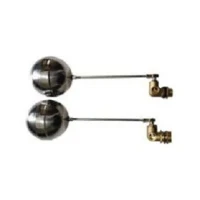
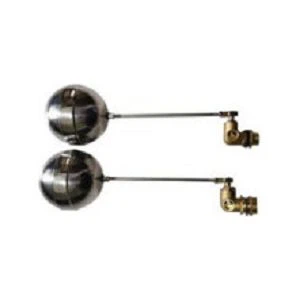
For many general water treatment applications, brass-based variants are the go-to. Two particularly useful options are Brass Ball Float Valves (/brass-valve/brass-ball-valve/brass-ball-float-valve.html) for level control in storage tanks, and Forged Brass Ball Valves (/brass-valve/brass-ball-valve/forged-brass-ball-valve.html) for higher pressure and durability in process lines. If you need a compact, easy-to-operate option for smaller lines or tight spaces, the Butterfly Handle Ball Valve 1" (/brass-valve/brass-ball-valve/butterfly-handle-ball-valve-1.html) is often ideal. For applications that require integration with temperature monitoring, such as heated process water or thermal treatment steps, the Ball Valve for Temperature Measurement (/brass-valve/brass-ball-valve/ball-valve-for-temperature-measurement.html) eliminates the need for extra piping for sensors, streamlining your setup. When you’re ready to explore the full range of Ball Union Valves tailored to water treatment, you can browse our dedicated collection at Ball Union Valves (/brass-valve/brass-ball-valve/ball-union-valves.html).
Now, let’s get into the core requirements that must be met to ensure these valves perform as intended in water treatment. The first and most critical requirement is material compatibility—this isn’t a one-size-fits-all scenario, and choosing the wrong material can lead to corrosion, leaching, or premature failure. Water treatment involves a variety of chemical additives: chlorine for disinfection, polyaluminum chloride for coagulation, caustic soda for pH adjustment, and even mild acids for scale control. These chemicals can react with certain valve materials, especially if they’re present in high concentrations or over long periods.
For potable water applications, material safety is non-negotiable. Valves must meet NSF/ANSI 61 standards, which set limits on the amount of lead, heavy metals, and other contaminants that can leach into drinking water. Brass is a common choice here, but not all brass is equal. For example, lead-free brass alloys (with less than 0.25% lead for potable use) are required in most regions for any valve that touches drinking water. For wastewater or industrial process water that’s highly corrosive, like water with high chloride content or high pH, you may need to upgrade to materials like 316 stainless steel or PVC, depending on pressure and temperature. It’s worth noting that even in non-potable applications, material durability is key—valves used in lines with high sediment loads, for example, need a hard, smooth surface to prevent erosion from particles flowing through the line.
Next, pressure and temperature rating alignment with your system specifications. Water treatment systems operate across a wide range of pressures: small residential systems might run at 50-100 PSI, while large municipal treatment plants or industrial facilities can have operating pressures of 150 PSI or higher. Ball Union Valves are rated for specific working pressures, and exceeding that rating is a recipe for valve failure, which can lead to leaks, bursts, or costly water loss. Similarly, temperature matters: if your system uses heated water (for example, in thermal disinfection or industrial process steps), the valve’s maximum temperature rating must match the highest temperature in your process. A valve rated for cold water only will degrade and leak if exposed to hot water, even if the pressure is within its range.
One common mistake I see is assuming that a valve rated for 150 PSI at room temperature will work at the same pressure at 150°F. In fact, most valve pressure ratings decrease as temperature rises, due to material expansion and weakening. For example, a brass valve might have a 150 PSI cold working pressure, but that drops to 100 PSI at 200°F. Always check the valve’s pressure-temperature (P-T) curve, which is provided by reputable suppliers like us, to confirm it matches your system’s actual operating conditions.
Installation best practices are another key requirement that’s often overlooked. Even a high-quality Ball Union Valve will fail prematurely if installed incorrectly. First, consider the piping connection: Ball Union Valves are designed to connect to piping via threaded, flanged, or soldered (for copper piping) connections, depending on the variant. For threaded connections, Teflon tape or pipe dope must be applied correctly—too much tape can get trapped in the valve, leading to blockages or wear on the ball and seat, while too little can cause leaks. For flanged connections, gaskets must be the correct material (compatible with your water chemistry) and installed evenly, with bolts tightened in a crisscross pattern to avoid warping the valve body.
A major advantage of Ball Union Valves is their ability to be disassembled for maintenance without cutting or reworking piping, but this only works if you install the valve with enough clearance around it. If the valve is placed in a tight space where you can’t access the union nuts, you won’t be able to take it apart to clean out sediment or replace worn seats. For that reason, always leave at least 6-12 inches of clearance on both sides of the valve, depending on its size, to allow for easy disassembly. Also, be sure to install the valve in the correct orientation—most Ball Union Valves are bidirectional, meaning they work in either flow direction, but some have specific seat designs that work better one way. Check the manufacturer’s markings, and if you’re unsure, reach out to your supplier for clarification.

Maintenance protocols are another critical requirement for long-term performance. Water treatment valves are exposed to continuous flow, sediment, and chemical additives, so regular upkeep is necessary to prevent unexpected downtime. For Ball Union Valves, the most common maintenance task is cleaning or replacing the seat and seals, which can wear out over time from friction, sediment, or chemical exposure. The split body design makes this simple—you just loosen the union nuts, separate the two halves of the valve, and access the ball and seats without removing the valve from the pipe.
The frequency of maintenance depends on your system’s conditions: in systems with high sediment loads, you may need to inspect the valve every 6 months, while potable water systems with low sediment might only need annual inspections. Signs that your valve needs attention include leaks around the stem or body, difficulty turning the handle, or reduced shutoff performance (for example, water drips even when the valve is fully closed). Regularly lubricating the stem (using a food-grade lubricant for potable water systems) can also prevent friction and make operation smoother, just be sure to use a lubricant that’s compatible with your valve material and water chemistry—some petroleum-based lubricants can react with brass or plastic components.
Compliance with industry standards and regulatory requirements is non-negotiable for water treatment facilities, especially those serving the public. Depending on your location and the type of water you’re handling, there are a range of standards your Ball Union Valves must meet. For potable water, as I mentioned earlier, NSF/ANSI 61 is a must in most of North America, while in Europe, standards like WRAS (Water Regulations Advisory Scheme) certification are required. For wastewater systems, valves may need to meet ASTM International standards for corrosion resistance and durability in aggressive fluids. Municipal facilities often have additional internal requirements set by the Environmental Protection Agency (EPA) or local health departments, which dictate valve materials, testing, and maintenance records. Working with a supplier that can provide documentation for all relevant certifications is critical to ensuring your facility stays compliant.
Let’s also address a few common challenges specific to water treatment that can affect Ball Union Valve performance. One is biofouling: the growth of bacteria, algae, or other microorganisms inside the valve, which can block the ball’s movement or contaminate water. To prevent this, choose valve materials that are resistant to biofilm formation, such as certain brass alloys or stainless steel, and incorporate regular disinfection cycles into your system. Another challenge is scale buildup, which occurs when mineral deposits (like calcium and magnesium) adhere to the valve’s internal surfaces. For systems with hard water, periodic flushing of the valve or using a descaling agent compatible with your valve material can help remove scale before it causes damage.
When selecting Ball Union Valves for your water treatment facility, it’s important to work with a supplier who understands the unique demands of this industry, not just a generic valve supplier. We’ve spent years refining our valve designs to meet water treatment needs, from lead-free brass options for potable water to corrosion-resistant variants for industrial wastewater. If you’re unsure which valve is right for your specific application—whether you need a Ball Valve for Temperature Measurement (/brass-valve/brass-ball-valve/ball-valve-for-temperature-measurement.html) for your thermal treatment process, or a durable Forged Brass Ball Valve (/brass-valve/brass-ball-valve/forged-brass-ball-valve.html) for your main process lines—our team can help you assess your system, pressure, water chemistry, and maintenance needs to recommend the best solution. You can browse our full selection of water treatment-ready Ball Union Valves at Ball Union Valves (/brass-valve/brass-ball-valve/ball-union-valves.html), or reach out to our team for a customized consultation.
Now, let’s summarize the key requirements we’ve covered to wrap this up clearly: first, material compatibility with your water chemistry and compliance with potable water standards if applicable; second, alignment of pressure and temperature ratings with your system’s operating conditions, using P-T curves to account for temperature-related pressure reductions; third, correct installation with adequate clearance for maintenance and proper connection sealing; fourth, a regular maintenance and inspection schedule tailored to your system’s conditions; and fifth, compliance with all local and industry-specific regulatory standards.
By meeting these requirements, Ball Union Valves can deliver reliable, low-maintenance performance for years, reducing downtime, lowering operational costs, and ensuring your water treatment system runs smoothly. If you’re looking to upgrade your valves or source high-quality, industry-compliant Ball Union Valves, don’t hesitate to connect with our team to discuss your project needs. We’re here to provide the expertise and products to help your water treatment facility succeed.
References
- NSF International. (2022). NSF/ANSI Standard 61: Drinking Water System Components – Health Effects.
- American Water Works Association. (2021). Valve Selection and Application for Water and Wastewater Systems (AWWA M11).
- Brass Industry Development Association. (2020). Corrosion Resistance of Brass Alloys in Potable Water and Wastewater.
- Valve Manufacturers Association. (2023). Pressure-Temperature Rating Guidelines for Industrial Valves.