Hey there! If you’re here, your brass globe valve’s acting up—and let’s be real, that’s the last thing you want when you’re mid-plumbing repair, HVAC setup, or industrial project. I’ve been supplying brass globe valves for over a decade now, and trust me, I’ve helped folks troubleshoot everything from a slow-leaking 1/2” unit to a totally stuck valve. Most issues aren’t super complex, but it’s easy to jump to replacing the whole thing before checking the basics. Let’s break this down step by step, no fancy jargon, just what actually works.
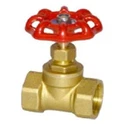
First, let’s start with the most common issue that’s easy to miss: it’s not actually broken, it’s just not set right. Globe valves (even the 200 WOG Globe Valve we supply for general water, oil, and gas applications) are quarter-turn or multi-turn? Wait, no—wait, globe valves are actually linear, right? Unlike ball valves, they use a disk that moves up and down to control flow. So if you’re trying to open it all the way but it’s not letting water pass, maybe you didn’t turn the handwheel far enough. I’ve seen this so many times: a plumber will turn the handwheel a couple clicks and think it’s jammed, but if you give it a firm, steady turn (if it’s a Round Handwheel Brass Globe Valve 1/2"), you’ll feel it “break free” once the disk lifts fully. For PPR connections, the same rule applies—sometimes the valve’s partially closed, so flow is restricted even if you think it’s open. That’s a quick first check, no tools needed.
If the valve is totally unresponsive—like you can’t turn the handwheel at all—let’s rule out physical obstructions first. Dirt, sediment, or mineral scale from the pipe system is the #1 cause of a stuck globe valve, especially if your water supply is hard. Brass is durable, but that gunk can build up around the disk and the valve body over time. Here’s the fix: turn off the water supply first (critical—no dry pipes leading to bigger leaks!), then remove the valve from the pipe. For smaller units, like the 1/2” round handwheel, you can disassemble it by unscrewing the bonnet (the top part where the handwheel attaches) with a wrench. Pull out the disk and the stem, scrub both with a wire brush to get rid of scale, and wipe the valve body inside. Reassemble it slowly, making sure the disk lines up with the seat—if it’s off, you’ll get a leak or stuck valve again. If you’re dealing with a PPR Brass Globe Valve, be extra careful with the PPR fittings when removing it—they can break if you force them, so heat them gently with a heat gun first if needed (just don’t melt the valve itself).


Another common problem: leaks. If your valve is leaking around the handwheel (not at the pipe connections), that’s usually a bad packing. Packing is a soft material (like graphite or rubber) that wraps around the stem to keep water from escaping when the valve’s open or closed. Over time, it wears out, and water seeps out when you turn the stem. The fix here is simple: while the valve’s still installed and closed, use a wrench to tighten the packing gland nut a quarter-turn at a time. Don’t over-tighten, though—you’ll bind the stem and make it impossible to turn. If tightening doesn’t work, you’ll need to replace the packing, which is just a matter of unscrewing the gland, removing the old packing, and tamping in new packing rings (you can get these at any hardware store, or just shoot me a note if you need the right size for our valves). If the leak is at the pipe connections, that’s a separate issue—check if the fittings are loose, or if the PPR glue (for PPR units) didn’t set properly. For our United Brass Globe Valve line, we use precision machined seats and fittings, so leaks at connections are almost always installation errors, not valve defects.
Wait, what if you’re using the valve for a high-pressure application? The 200 WOG rating (Water, Oil, Gas) means it can handle up to 200 PSI, but if you’re running higher than that, the valve might leak or jam because the disk’s pressed too hard against the seat. If that’s the case, check your system pressure with a gauge—if it’s over 200 PSI, you might need a different valve, but most residential and light commercial systems are around 40-80 PSI, so that’s rarely the issue. If you’re dealing with an industrial setting, our United Brass Globe Valve line is rated for higher pressures, so that’s the go-to for those jobs.
I’ve also seen people make the mistake of forcing the handwheel when it feels stuck. Never do that—you’ll strip the stem or crack the brass body, which means a full replacement. If it’s stuck, don’t pry it with a screwdriver or pipe wrench (you’ll damage the handwheel, which is a pain to replace). Instead, spray a little penetrating oil (like WD-40) around the stem and let it sit for 15 minutes. Then gently tap the handwheel with a rubber mallet—this loosens the sediment or rust that’s binding the stem without breaking anything. Once it moves, open and close the valve a few times to work the oil in.
Let’s wrap this up with a quick troubleshooting checklist you can keep handy:
- Is the valve fully open/closed? Turn the handwheel all the way (clockwise = closed, counterclockwise = open) and check flow.
- Is the system powered/water supply turned on? Obvious, but easy to skip when you’re frustrated.
- Remove the valve and check for sediment buildup. Scrub as needed, then reassemble.
- Tighten the packing gland nut a quarter-turn if leaking around the handwheel.
- Use penetrating oil and a rubber mallet if the handwheel is stuck—no forcing!
If you’ve tried all these and the valve’s still not working, or you’re looking to upgrade to a more reliable unit (like our 200 WOG or United Brass Globe Valve), hit me up to chat about your needs. I’ve been in the game long enough to tell you which valve fits your specific setup, no guesswork.
References
- "Brass Globe Valve Basics: A Guide for Plumbers and HVAC Technicians" – International Association of Plumbing and Mechanical Officials (IAPMO)
- "Maintaining and Troubleshooting Industrial Valves" – Fluid Power Journal, 2022
- "PPR Pipe Fitting Installation Best Practices" – Plastics Pipe Institute (PPI)
- "Globe Valve Operation and Common Failure Points" – Valve Manufacturers Association (VMA)