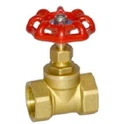
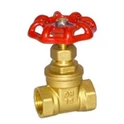
Hey there! As a supplier of filter ball valves, I often get asked about the different sizes available in the market. So, I thought I'd write this blog post to give you the lowdown on all the sizes you can find out there.
First off, let's talk about why size matters when it comes to filter ball valves. The size of a valve determines how much fluid it can handle. If you pick a valve that's too small for your application, it'll restrict the flow and cause all sorts of problems. On the other hand, a valve that's too big might be overkill and end up costing you more than you need to spend. So, getting the right size is super important.
Now, let's dive into the common sizes you'll come across.
Small - Sized Filter Ball Valves
These are usually used in applications where the flow rate is relatively low. You'll often find them in residential plumbing systems, small - scale industrial equipment, or even in some laboratory setups.
Sizes like 1/8", 1/4", and 3/8" are typical in this category. The 1/8" valve is really tiny and is great for applications where you need to control a very small amount of fluid. For example, in some precision chemical dosing systems, a 1/8" filter ball valve can be used to accurately regulate the flow of chemicals.
The 1/4" valve is a bit more common. It can handle a bit more flow than the 1/8" one and is often used in things like water dispensers or small - scale air compressors. The 3/8" valve offers even more flow capacity and is suitable for slightly larger residential or light - industrial applications, like some small - scale irrigation systems.
Medium - Sized Filter Ball Valves
When you move up to medium - sized valves, we're looking at sizes like 1/2", 3/4", and 1". These are widely used in commercial and industrial settings.
A 1/2" filter ball valve is a workhorse in many applications. It's commonly used in plumbing systems for commercial buildings, where it can handle a decent amount of water flow. You can also find it in some industrial cooling systems. For instance, in a small - to - medium - sized manufacturing plant, a 1/2" valve might be used to control the flow of coolant to a machine.
The 3/4" valve is even more robust. It can handle higher flow rates and is often used in larger plumbing systems, such as those in multi - story buildings. In industrial applications, it can be used in process lines where a moderate amount of fluid needs to be transported.
The 1" valve is great for applications that require a relatively high flow rate. It's used in larger industrial systems, like some chemical processing plants or big - scale water treatment facilities. If you're looking for a Right Angle Ball Valve 1/2", it falls into this medium - sized category and can be very useful in specific setups where a right - angled flow path is needed.
Large - Sized Filter Ball Valves
Sizes 1 - 1/4", 1 - 1/2", 2", and even larger are considered large - sized filter ball valves. These are used in heavy - duty industrial applications.
A 1 - 1/4" valve can handle a significant amount of fluid flow and is often used in large - scale water distribution systems, like those in municipalities. In the oil and gas industry, it might be used in some pipeline systems to control the flow of oil or gas.
The 1 - 1/2" and 2" valves are even more powerful. They're used in major industrial processes, such as power generation plants where large volumes of water or steam need to be controlled. For example, in a coal - fired power plant, these large - sized valves can be used to regulate the flow of water through the boilers.
In addition to these standard sizes, there are also custom - sized filter ball valves available. Sometimes, an application might have very specific requirements that can't be met by the standard sizes. That's where custom - made valves come in. As a supplier, we're often able to work with customers to design and manufacture valves of unique sizes to fit their exact needs.
Another thing to consider is the material of the valve in relation to its size. For smaller valves, brass is a popular choice because it's relatively inexpensive and easy to work with. You can find many Forged Brass Ball Valve in smaller sizes. These valves are durable and can handle a variety of fluids.


For larger valves, materials like stainless steel or cast iron are more common. Stainless steel offers excellent corrosion resistance, which is crucial in applications where the fluid might be corrosive, like in some chemical plants. Cast iron is strong and can withstand high pressures, making it suitable for large - scale industrial applications.
Now, let's talk about some specialized applications where different sizes of filter ball valves are used. In the fire protection industry, Fire Reel Ball Valve are used. These valves need to be able to handle a large amount of water flow quickly in case of a fire. Usually, they come in medium - to - large sizes, like 1" or 1 - 1/2", to ensure that enough water can be delivered to the fire quickly.
When choosing the right size of filter ball valve for your application, you need to consider a few things. First, think about the flow rate. You need to know how much fluid will be passing through the valve per unit of time. Second, consider the pressure. Higher - pressure applications might require larger and more robust valves. Also, think about the type of fluid. Corrosive fluids will need valves made from materials that can resist corrosion.
As a supplier of filter ball valves, we have a wide range of sizes available. Whether you need a small 1/8" valve for a precision application or a large 2" valve for a heavy - duty industrial process, we've got you covered. We can also help you with custom - sized valves if the standard sizes don't meet your requirements.
If you're in the market for filter ball valves and need some advice on the right size for your application, don't hesitate to reach out. We're here to help you make the best choice for your needs. Whether it's for a new project or a replacement part, we can provide you with high - quality valves at competitive prices.
So, if you're looking to purchase filter ball valves, contact us for a detailed discussion about your requirements. We'll work with you to ensure that you get the perfect valve for your application.
References:
- Valve Handbook, Various industry - specific valve handbooks that cover sizing, materials, and applications.
- Technical documentation from valve manufacturers, which provides detailed information on the performance and specifications of different sized valves.