As a supplier of PP-R Gate Valves, I've delved deep into the world of valves and the different materials they are made from. In this blog post, I'll compare the material of a PP-R Gate Valve to other materials, highlighting the pros and cons of each to help you make an informed decision when it comes to your valve needs.
PP-R Gate Valves: An Overview
PP-R, or Polypropylene Random Copolymer, is a type of thermoplastic polymer used extensively in plumbing systems. PP-R Gate Valves are known for their corrosion resistance, smooth inner walls that reduce pressure loss, and relatively lightweight nature. They are also relatively easy to install due to their non-metallic composition, which does not require complex joining techniques like welding.

Advantages of PP-R Gate Valves
- Corrosion Resistance: Unlike metal valves, PP-R valves do not rust or corrode when in contact with water or other liquids, making them ideal for long - term use in plumbing systems.
- Hydraulic Efficiency: Their smooth inner surface reduces friction, leading to better flow rates and lower energy consumption in water systems.
- Cost - Effectiveness: PP-R valves are generally more affordable than their metal counterparts, especially for large - scale projects.
- Easy Installation: They can be joined using heat fusion, which provides a strong, leak - proof connection without the need for special tools or skills.
Disadvantages of PP-R Gate Valves
- Temperature Limitations: PP-R has a lower temperature resistance compared to some metals. It may deform at high temperatures, which restricts its use in high - temperature applications.
- Mechanical Strength: They are not as mechanically strong as metal valves, making them less suitable for high - pressure or high - impact environments.
- UV Sensitivity: Prolonged exposure to sunlight can cause the material to degrade, so they are typically used indoors or in underground applications.
Comparison with Brass Gate Valves
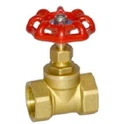
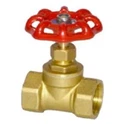
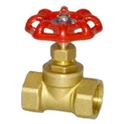
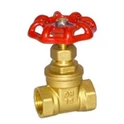
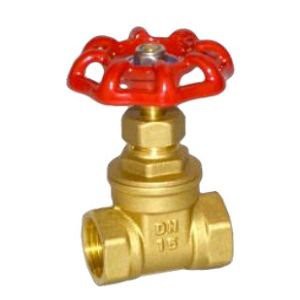
Brass is another commonly used material for gate valves. A Brass Gate Valve 1/2" is often seen in smaller plumbing applications, while larger sizes are also available for more industrial uses.
Advantages of Brass Gate Valves
- High Mechanical Strength: Brass is a strong alloy that can withstand high pressures and mechanical shocks, making it suitable for industrial and high - stress applications.
- Temperature Resistance: It can handle a wider range of temperatures compared to PP-R, from cold to moderately hot liquids.
- Aesthetic Appeal: Brass has a classic and attractive appearance, which can be an advantage in applications where the valve is visible.
Disadvantages of Brass Gate Valves
- Corrosion Risk: Although brass is relatively corrosion - resistant, it can still corrode in certain environments, especially when exposed to acidic or alkaline substances.
- Higher Cost: Brass valves are generally more expensive than PP-R valves, both in terms of the initial purchase price and installation costs.
- Lead Concerns: Some older brass valves may contain lead, which can leach into the water supply, posing health risks. However, modern brass valves are often made with low - lead or lead - free alloys.
Comparison with Customized Brass Gate Valves
Customized Brass Gate Valves offer additional flexibility in terms of design and performance. They can be tailored to specific requirements, such as unique dimensions, special coatings, or enhanced performance features.
Advantages of Customized Brass Gate Valves
- Tailored to Specific Needs: They can be designed to meet the exact specifications of a project, ensuring optimal performance in unique applications.
- Enhanced Performance Features: Customized valves can incorporate features like improved sealing, reduced friction, or higher flow rates.
- Long - Term Durability: With the right customization, these valves can have a longer service life, even in harsh environments.
Disadvantages of Customized Brass Gate Valves
- Higher Cost: The customization process usually incurs additional costs, making them more expensive than standard valves.
- Longer Lead Times: Designing and manufacturing customized valves takes time, which can delay project timelines.
Considerations for Material Selection
When choosing between a PP-R Gate Valve and other materials, several factors should be considered:
- Application Environment: For indoor plumbing applications with normal water temperatures and pressures, PP-R valves are a great choice. For industrial settings or applications involving high pressures and temperatures, brass valves may be more suitable.
- Budget: If cost is a major concern, PP-R valves are generally the more affordable option. However, if performance and long - term durability are priorities, the higher cost of brass or customized brass valves may be justified.
- Performance Requirements: Consider factors such as flow rate, pressure drop, and sealing performance. Customized brass valves can be optimized for specific performance requirements, while PP-R valves offer good hydraulic efficiency in standard applications.
Conclusion
In conclusion, the choice between a PP-R Gate Valve and other materials depends on a variety of factors. Each material has its own unique set of advantages and disadvantages, and the best option will vary depending on the specific needs of the project. As a supplier of PP-R Gate Valves, I understand the importance of making the right choice. If you're in the process of selecting valves for your project, I encourage you to reach out to discuss your requirements. Whether you need a standard PP-R Gate Valve or a customized solution, we are here to help you find the perfect fit for your application. Contact us to start a procurement discussion, and let's work together to ensure the success of your project.
References
- ASTM International. (20XX). Standards for PP - R pipes and fittings.
- American Water Works Association. (20XX). Guidelines for valve selection in water systems.
- Valve Manufacturers Association. (20XX). Technical data on brass and plastic valves.