Can a brass valve body be used in a salt - water system?
Hey there! I'm a supplier of brass valve bodies, and I often get asked if our brass valve bodies can be used in salt - water systems. It's a super important question, especially for folks in marine, coastal, or industrial settings where salt water is a big part of the equation.
First off, let's talk a bit about brass. Brass is an alloy made mainly of copper and zinc. It's a popular choice for valve bodies because it's relatively easy to machine, has good corrosion resistance in many environments, and is cost - effective compared to some other metals. But when it comes to salt - water systems, things get a bit more complicated.
Salt water is a highly corrosive medium. The salt in the water, mainly sodium chloride, can accelerate the corrosion process. When brass is exposed to salt water, a couple of things can happen. One is dezincification. Dezincification is a form of corrosion where the zinc in the brass is selectively removed. This leaves behind a porous, copper - rich layer that is weaker and more prone to cracking and failure.
However, not all brass is created equal. There are different types of brass alloys, and some are more resistant to dezincification than others. For example, a high - copper brass alloy will generally be more resistant to this type of corrosion. At our company, we offer different kinds of brass valve bodies that are designed to perform well in various conditions.
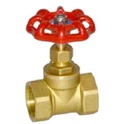
If you're considering using a brass valve body in a salt - water system, it's crucial to choose the right one. We have a Galvanized Brass Body which has an extra layer of protection. The galvanization process adds a zinc coating that can act as a sacrificial anode. This means that the zinc will corrode first, protecting the underlying brass from corrosion. It's a great option for salt - water applications where you want to extend the lifespan of the valve body.
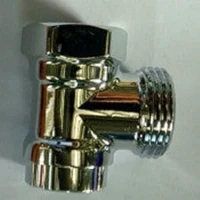
Another option is our Water Heater Three - way Elbow Joint. This particular brass valve body is made from a carefully selected alloy that has been tested for its performance in water - based systems, including those with some salt content. It's designed to handle the pressure and flow requirements of water systems while also offering a certain level of corrosion resistance.
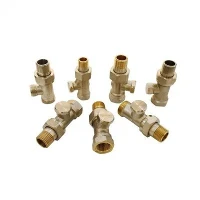
We also have a Pickled Brass Valve Body. The pickling process helps to remove any surface impurities and can improve the overall corrosion resistance of the brass. This type of valve body can be a good choice for salt - water systems where the water quality might not be perfect.
Now, let's talk about some real - world factors that can affect the performance of a brass valve body in a salt - water system. Temperature plays a big role. Higher temperatures can speed up the corrosion process. So, if your salt - water system operates at elevated temperatures, you need to be even more careful about choosing the right brass alloy.
The flow rate of the salt water is also important. A high - flow system can cause more wear and tear on the valve body. The constant movement of the salt - laden water can erode the surface of the brass over time. In such cases, you might want to consider a valve body with a thicker wall or a more corrosion - resistant coating.


The pH level of the salt water is another factor. If the water is acidic or alkaline, it can have a significant impact on the corrosion rate of the brass. Acidic salt water, for example, can be particularly aggressive towards brass. You need to monitor the pH of your salt - water system and choose a valve body that can withstand the specific chemical conditions.
In addition to choosing the right type of brass valve body, proper maintenance is also key. Regular inspections can help you detect any signs of corrosion early on. If you notice any discoloration, pitting, or cracking on the valve body, it's important to take action. You might need to clean the valve body, replace any damaged parts, or even consider upgrading to a more corrosion - resistant model.
So, can a brass valve body be used in a salt - water system? The answer is yes, but with some important considerations. You need to choose the right alloy, take into account the specific conditions of your salt - water system, and perform regular maintenance.
If you're in the market for a brass valve body for your salt - water system, we're here to help. We have a wide range of products, including the ones I mentioned above, and our team of experts can assist you in making the right choice. Whether you're in the marine industry, running a coastal water treatment plant, or have an industrial application that involves salt water, we've got the solutions for you.
Don't hesitate to reach out to us if you have any questions or if you're ready to start a procurement discussion. We're eager to work with you to ensure that you get the best brass valve body for your needs.
References:
- "Corrosion of Metals in Seawater" - A research paper on the corrosion mechanisms of different metals in salt - water environments.
- "Brass Alloys and Their Applications" - A technical guide on the properties and uses of various brass alloys.